Didn't find the perfect trip?
Let us craft a tailor-made adventure just for you.
Associated With


Let us craft a tailor-made adventure just for you.
Associated With

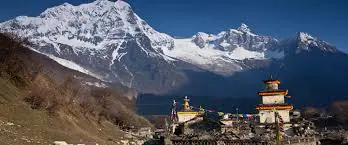
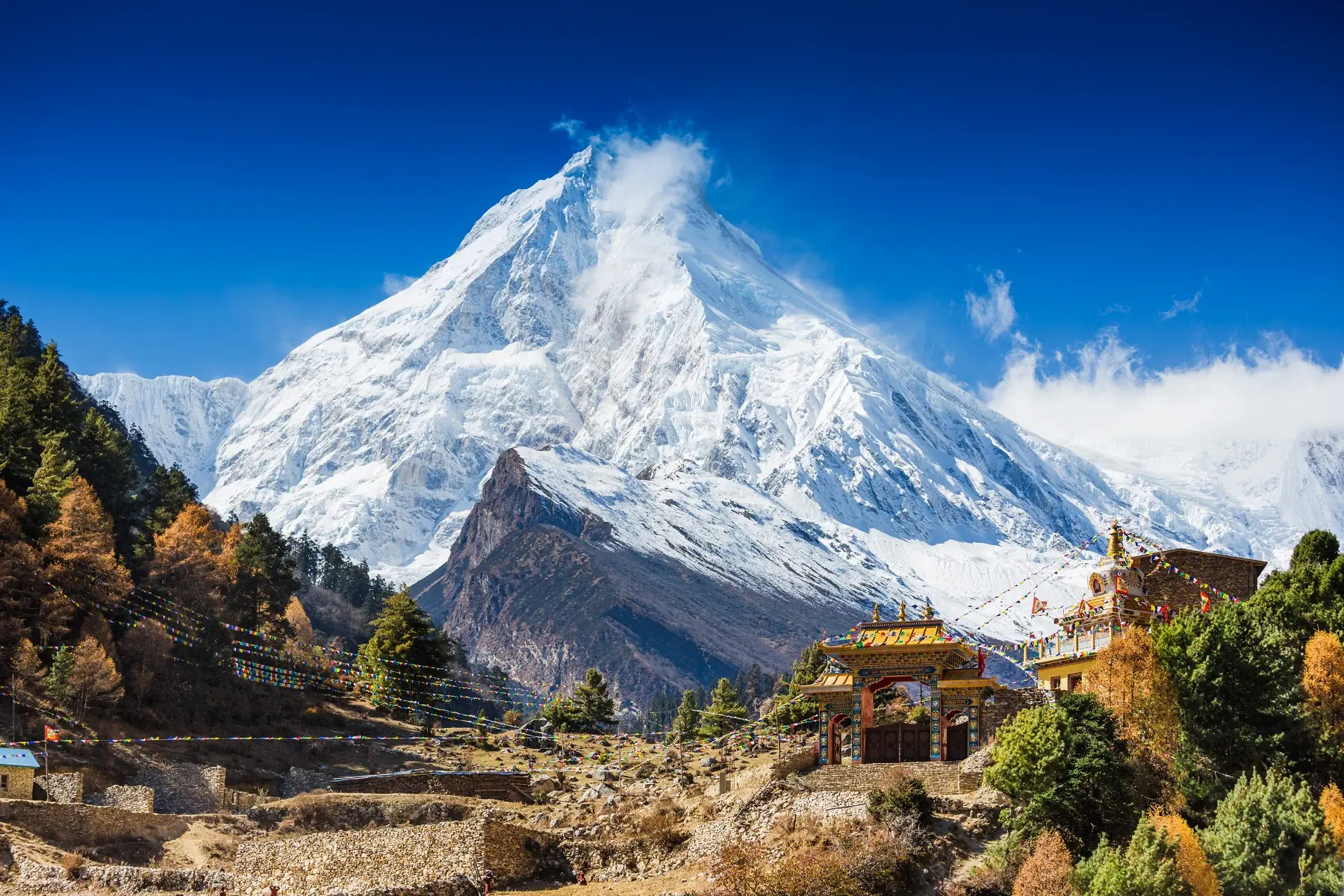
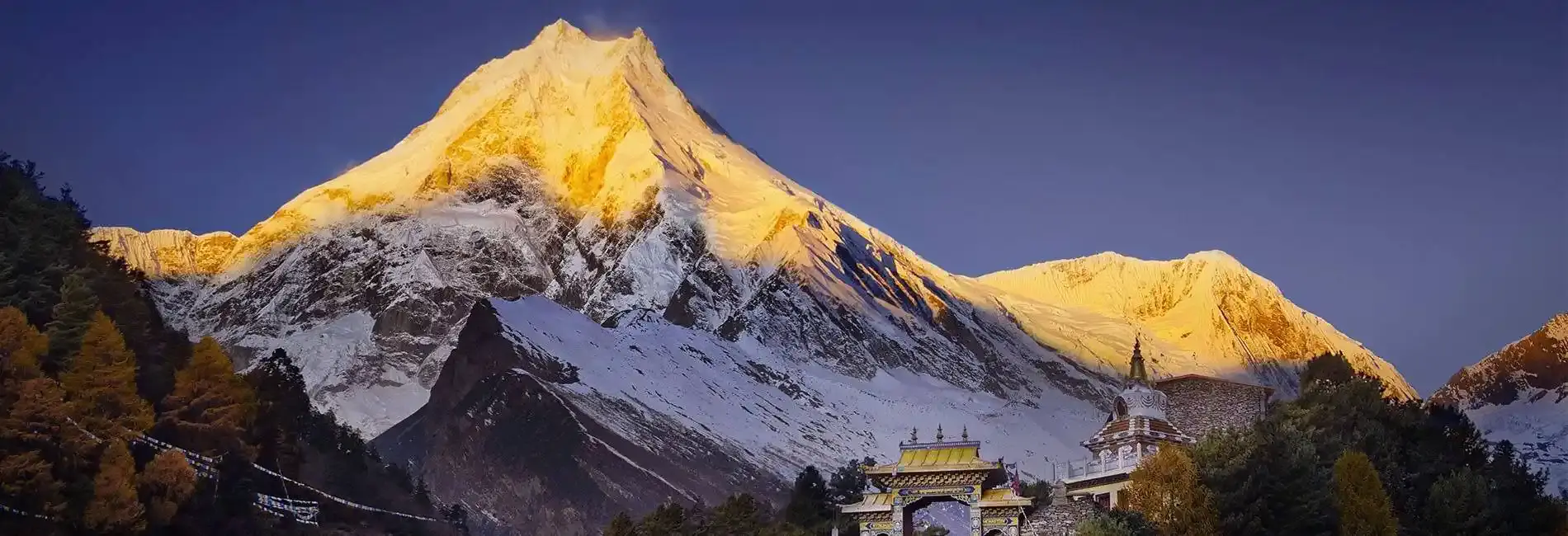
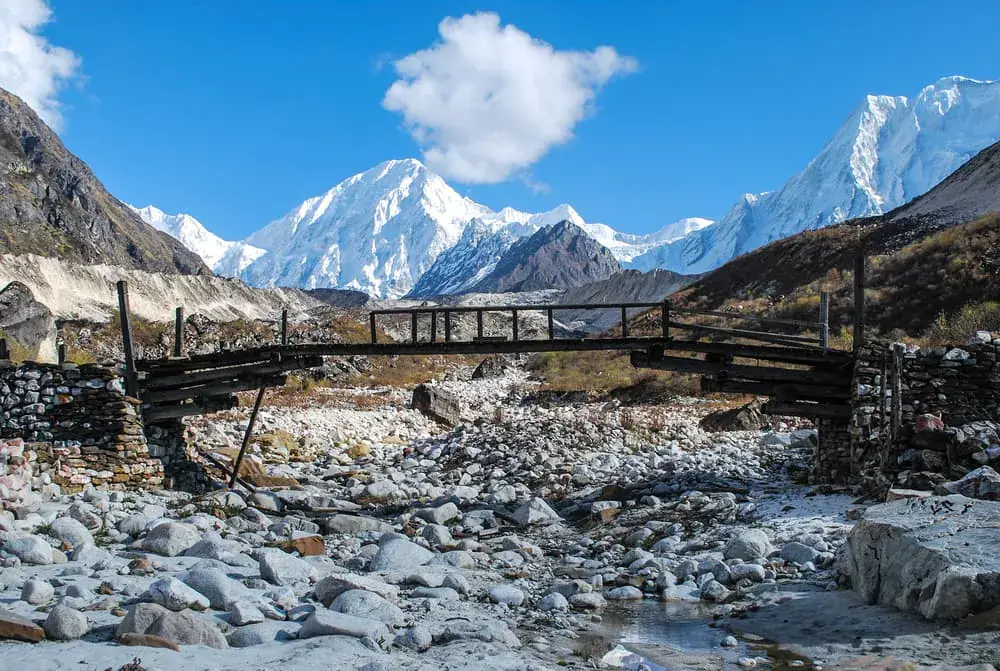
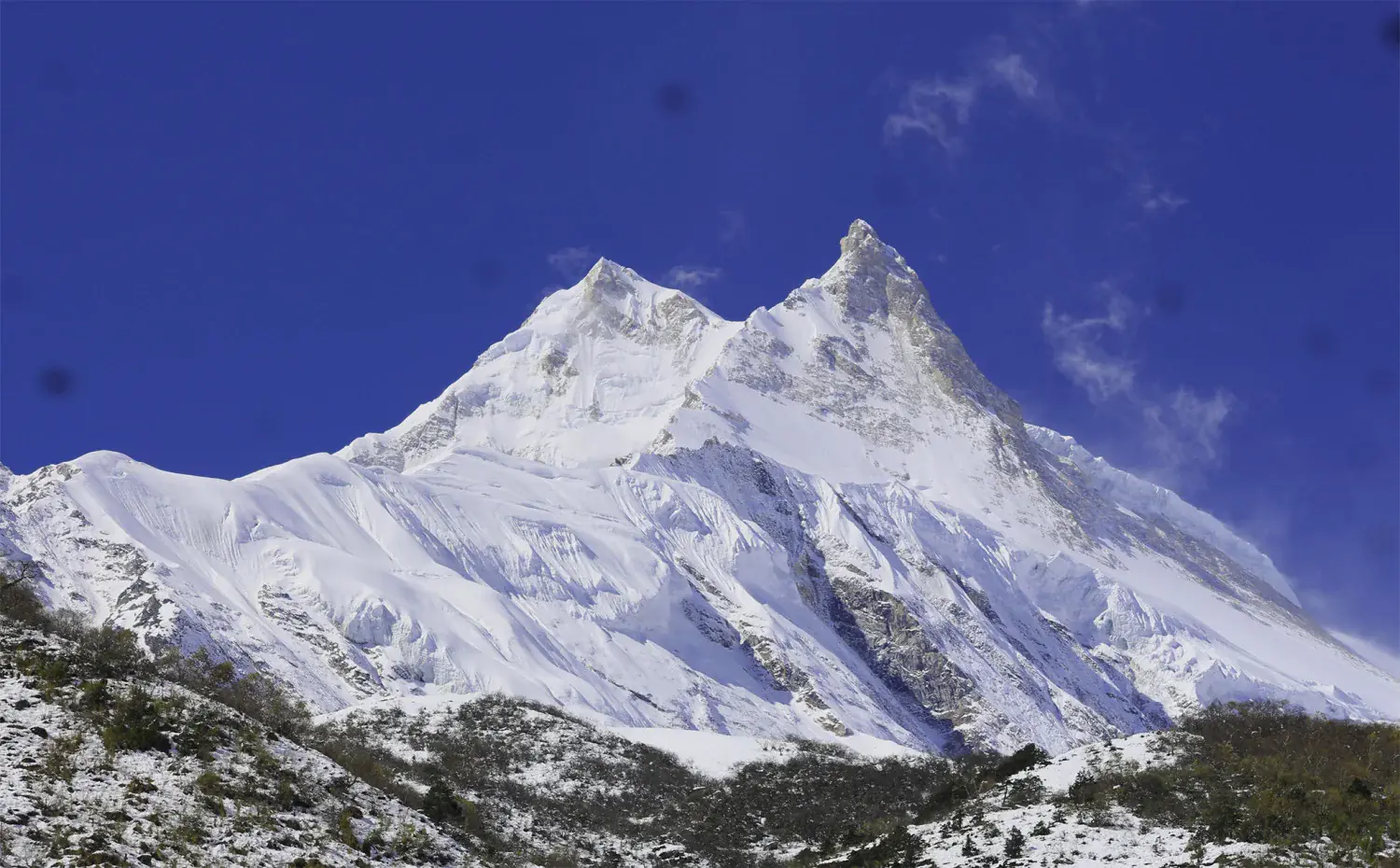
The Tsum Valley Trek leads into one of the most culturally preserved and least visited regions of the Nepal Himalaya. Hidden in the northern part of the Gorkha district near the Tibetan border, this peaceful valley remained closed to outsiders until 2008. Even today, it receives far fewer trekkers than the classic routes of Everest or Annapurna, offering a rare chance to experience authentic Himalayan culture in a quiet and spiritual setting.
The journey begins with a scenic drive from Kathmandu to Machha Khola, where the trekking trail follows the Budhi Gandaki River through lush forests, terraced farmland, and traditional hillside villages. As the route climbs gradually into the mountains, the landscape transforms from subtropical greenery into alpine terrain surrounded by dramatic peaks such as Ganesh Himal, Sringi Himal, Himalchuli, and Manaslu.
Tsum Valley is known as the "Valley of Happiness," a sacred Buddhist land where ancient traditions remain deeply rooted. The people of this region, called the Tsumbas, practice Tibetan Buddhism and maintain customs that have remained largely unchanged for centuries. Along the trail, trekkers pass prayer walls, chortens, and intricately carved mani stones that reflect the valley’s deep spiritual heritage.
One of the highlights of the trek is visiting the historic monasteries that define the valley’s spiritual identity. Mu Gompa, the highest monastery at around 3,700 meters, sits beneath towering mountains and offers sweeping views of the surrounding Himalayan landscape. Other significant sites include Rachen Gompa, Milarepa Cave near Burgi Village, and Dephyu Dolma Nunnery.
The trail also passes through the Manaslu Conservation Area, a protected ecosystem home to wildlife such as Himalayan tahr, blue sheep, and even the elusive red panda. Remote villages like Chumling, Chhokhang Paro, and Nile provide warm hospitality, with simple teahouses offering traditional meals and comfortable shelter.
With moderate altitude and gradual ascent, the Tsum Valley Trek combines cultural discovery with wilderness trekking. For travelers seeking an off-the-beaten-path Himalayan adventure filled with ancient monasteries, peaceful landscapes, and authentic mountain life, this journey offers a deeply rewarding experience.
Arrive in Nepal (1,360m/4,462 ft)
Kathmandu city sightseeing and Trek preparation Tour (1,360m/4,462 ft) 5-7 hours
Drive From Kathmandu to Maccha Khola – (930m/3,051 ft) 8-10 hours
Trek From Maccha Khola to Jagat – (1,410m/4,626 ft) 5-6 hours
Trek from Jagat to Lokpa (2,040m/6,693 ft) 5-6 hours
Trek from Lokpa to Chumling (2,386m/7,828 ft) 5-6 hours
Trek from Chumling to Chhokang Paro (3,031m/9,944 ft) 5-6 hours
Trek from Chhokang Paro to Nile (3,361m/11,027 ft) 5-6 hours
Trek from the Nile to Mu Gompa and visit Dhephyudonma Gompa (4,060m/13,320ft) 5-6 hours
Trek from Mu Gompa to Rachen Gompa (3,240m/10,630 ft) 5-6 hours
Trek from Rachen Gompa to Gumba Lungdang (3,200m/10,499 ft) 5-6 hours
Trek from Gumba Lungdang to Ganesh Himal Base Camp (4,200m/13,780 ft) 6-7 hours
Trek Gumba Lungdang to Lokpa (2,040m/6,693 ft) 6-7 hours
Trek from Lokpa to Maccha Khola – (930m/3,051 ft) 7-8 hours
Drive back to Kathmandu by Public Bus () (1,360m/4,462 ft) 8-10 hours
Final Departure (1,360m/4,462 ft)
This itinerary is customizable. If you want to modify any aspect of this trip, let us know and we'll create a personalized itinerary just for you.
CUSTOMIZE MY TRIPThe most favorable seasons for the Tsum Valley Trek are spring (March to May) and autumn (September to November). During these months, the weather is generally stable with clear skies and comfortable temperatures. Spring brings blooming rhododendron forests, while autumn offers crisp mountain views and excellent trail conditions.
Tsum Valley lies within a restricted trekking region in the Manaslu area. Trekkers must obtain a Restricted Area Permit for Tsum Valley as well as the Manaslu Conservation Area Permit (MCAP). These permits help protect the fragile environment and cultural heritage of the region.
The trek is considered moderately challenging and suitable for trekkers with reasonable fitness. Expect to walk about five to seven hours per day on mountain trails with gradual altitude gain. Prior hiking experience and regular cardio training will make the journey more comfortable.
Most travelers can obtain a Nepal visa on arrival at Tribhuvan International Airport in Kathmandu. Visitors should carry a valid passport with at least six months validity and a passport photo. Visa fees vary depending on the duration of stay.
The lower sections of the trek feature subtropical conditions with warm temperatures, while higher elevations around Mu Gompa are significantly cooler. Daytime temperatures in peak trekking seasons are pleasant, but nights at higher altitudes can drop below freezing.
Here's a recommended packing list for your trek. Some items can be rented or purchased in Kathmandu or at the trailhead.