Didn't find the perfect trip?
Let us craft a tailor-made adventure just for you.
Associated With


Let us craft a tailor-made adventure just for you.
Associated With

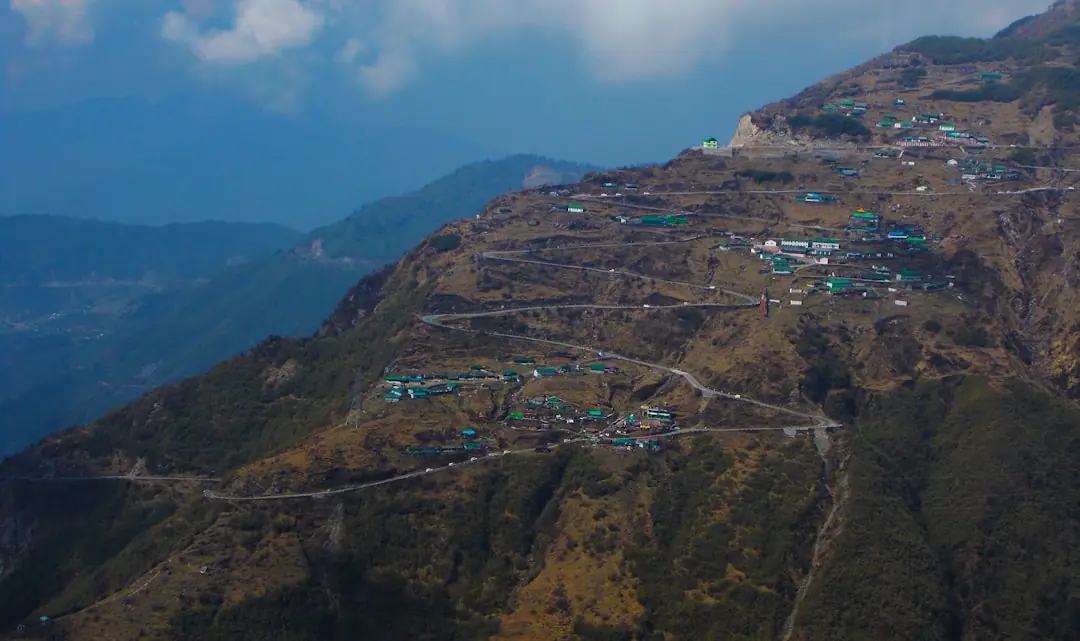
The Kanchenjunga Base Camp Trek is one of Nepal’s most remote and rewarding Himalayan adventures. Located in the far eastern corner of the country near the border with India’s Sikkim state, this trek explores the pristine landscapes surrounding Mount Kanchenjunga (8,586 m), the third‑highest mountain on Earth. Far less visited than the Everest or Annapurna regions, the trail offers a rare sense of wilderness where dense forests, glacier valleys, and high alpine terrain unfold over many days of trekking.
The journey begins with a flight from Kathmandu to Bhadrapur followed by a long scenic drive into the hills of Taplejung. From here the route gradually enters the protected Kanchenjunga Conservation Area, a vast wilderness covering more than 2,000 square kilometers. Trekking trails pass through lush subtropical valleys filled with bamboo, oak, and rhododendron before climbing into alpine meadows and glacial landscapes beneath towering peaks.
Along the way trekkers pass traditional villages inhabited by Limbu, Rai, Sherpa, and Tibetan Buddhist communities. Stone houses, prayer flags, and small monasteries reflect a culture that has remained largely unchanged for generations. Hospitality is warm and genuine, and the experience offers an authentic look at life in Nepal’s eastern Himalayas.
The trek reaches two spectacular viewpoints: Pangpema (5,143 m), the North Base Camp of Kanchenjunga, and Oktang near the South Base Camp. From these high vantage points you can see immense glaciers, jagged ridgelines, and the dramatic south and north faces of the mountain.
This is a physically demanding trek designed for experienced hikers seeking solitude and exploration. Long walking days, remote terrain, and high altitude add to the challenge, but the reward is a deeply immersive Himalayan expedition through one of the least explored trekking regions in Nepal.
Arrival in Kathmandu (1,350m/4,429 ft)
Sightseeing in Kathmandu valley and Trek preparation Tour (1,360m/4,462 ft) 5-6 hours
Fly from Kathmandu to Bhadrapur (91 m/298 ft) (50 minutes) and Drive to Illam 4-5 hours
Drive to Suketar (2,420m/7,940 ft) 6-7 hours
Trek to Lalikharka (2,265m/7,431 ft) 4-5 hours
Trek to Kade Banjyang (2,130m/6,988 ft) 5-6 hours
Trek to Phumphe Danda (1,858m/6,096 ft) 5-6 hours
Trek to Sherpaguan (2,080m/6,824 ft) 5-6 hours
Trek to New Jhorana (3200 m/10498ft ) 6 hours
Trek to Tseram (3,870m/12,697 ft) 6-7 hours
Acclimatization & Explore Day at Tseram (5,000m/16,404 ft)
Trek to Ramche (4,580m/15,026 ft) 4-5 hours
Trek to Oktang viewpoint and Back to Tseram (3870m/12696 ft) 7-8 hours
Trek to Sele La through 3 Passes (4700 m/15419 ft) 7-8 hours
Trek to Ghunsa (3,450m/11,319 ft) 4-5 hours
Trek to Kambachen (4,050m/13,287 ft) 5-6 hours
Side trip to Janu Himal Base Camp (4,500m/14,764 ft) 7 hours
Trek to Lhonak 5-6 Trek (4,815m/15,797 ft)
Trek to Pang Pema North Base Camp (5150 m/16896) 4-5 hours
Day hike to Domo Ri Peak view Point and back to Lhonak (4,815m/15,797 ft) 7-8 hours
Trek back to Ghunsa (3,450m/11,319 ft) 7 hours
Trek back to Amjilosa (2,510m/8,235 ft) 7-8 hours
Trek back to Ranipul and drive to Taplejung (1820 m/5971 ft) 4 Hours Drive 4-5 hours
Drive to Kanyam Tea Garden (1,630m/5,348 ft) 5-6 hours
Drive to Bhadrapur () and fly to Kathmandu (50 Minutes Flight) (1,350m/4,429 ft) 2-3 hours
Departure from Kathmandu (1,350m/4,429 ft)
This itinerary is customizable. If you want to modify any aspect of this trip, let us know and we'll create a personalized itinerary just for you.
CUSTOMIZE MY TRIPThe best seasons for the Kanchenjunga Base Camp Trek are spring (March to May) and autumn (September to November). Spring offers blooming rhododendron forests and stable weather, while autumn provides clear skies and excellent mountain views. Winter brings heavy snow at high passes and summer months can bring monsoon rain and slippery trails.
This trek lies within a restricted region and requires special permits. Trekkers must obtain a Kanchenjunga Restricted Area Permit and a Kanchenjunga Conservation Area Permit. Government regulations require a licensed guide and at least two trekkers in a group.
This is a demanding high‑altitude trek reaching over 5,100 meters and involving long days of walking across rugged terrain. Trekkers should have prior trekking experience and good cardiovascular fitness. Training with long hikes and endurance activities before arrival is strongly recommended.
Most travelers can obtain a Nepal tourist visa on arrival at Tribhuvan International Airport in Kathmandu. Visitors must have a passport valid for at least six months and passport photos. Visa fees vary depending on the length of stay.
The trek spans a wide range of climates from warm subtropical valleys to icy alpine zones. Lower elevations are mild and humid, while higher areas can experience freezing temperatures, strong winds, and snowfall. Conditions can change quickly in the mountains, so layered clothing is essential.
Here's a recommended packing list for your trek. Some items can be rented or purchased in Kathmandu or at the trailhead.