Didn't find the perfect trip?
Let us craft a tailor-made adventure just for you.
Associated With


Let us craft a tailor-made adventure just for you.
Associated With

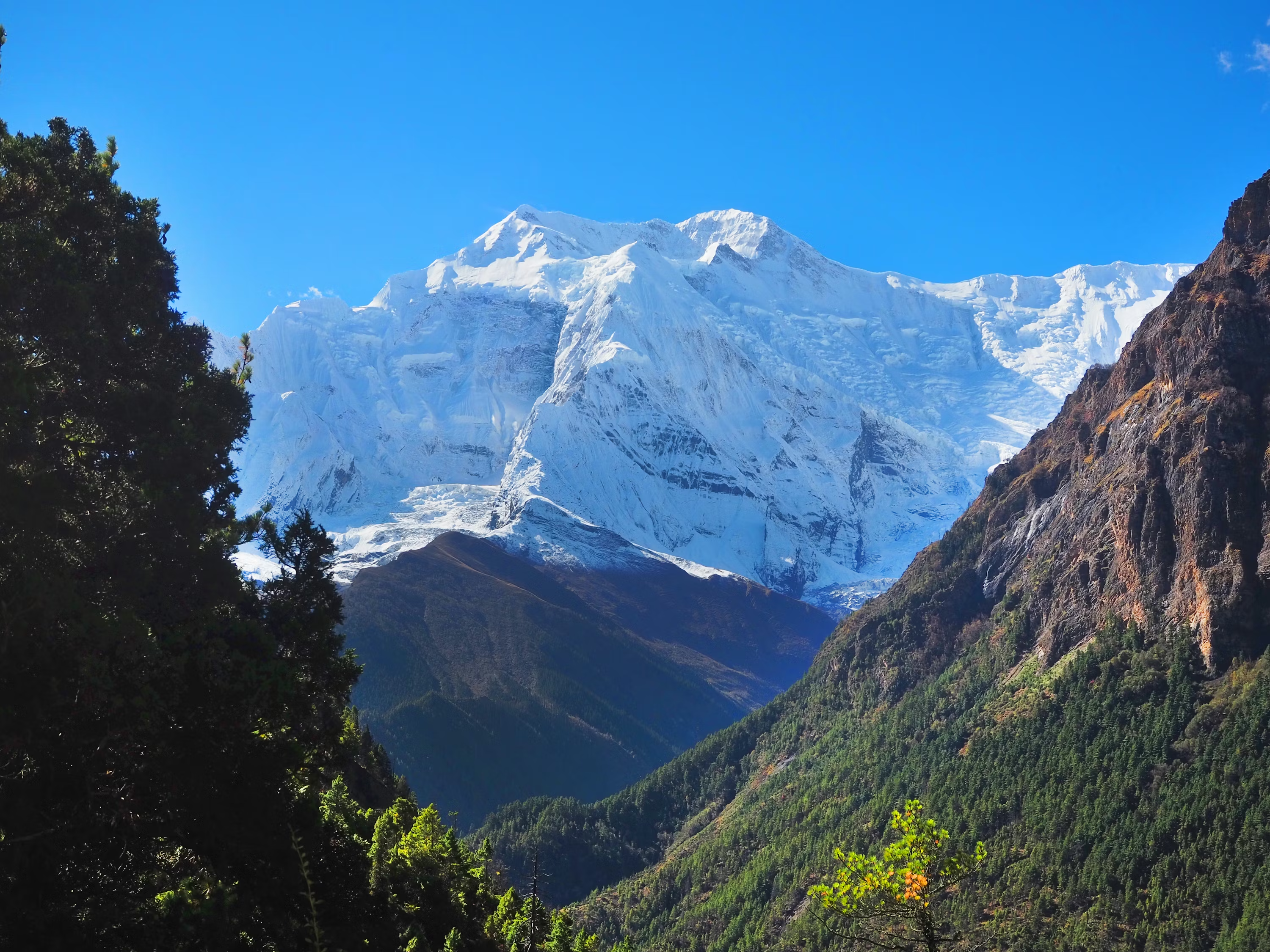
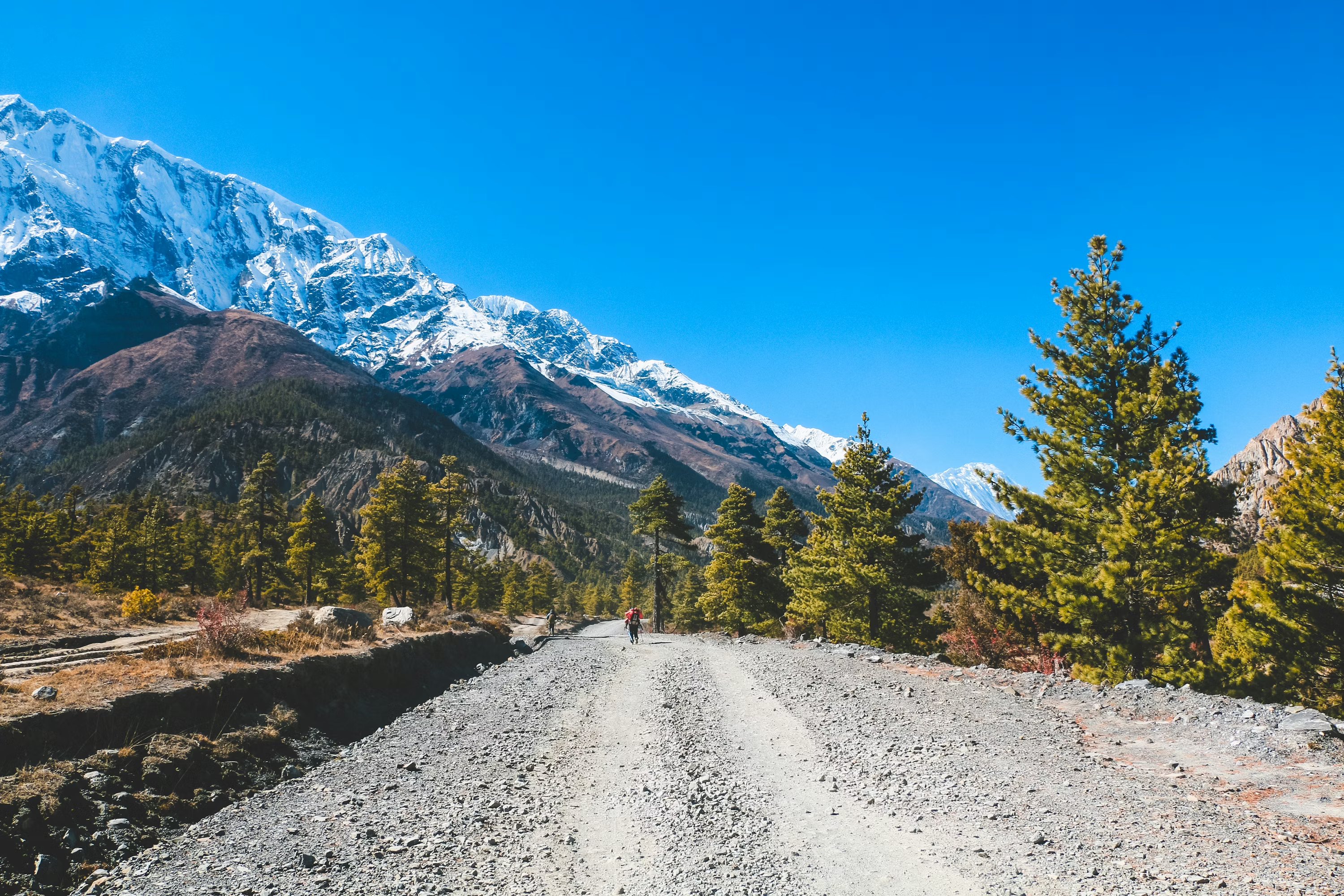
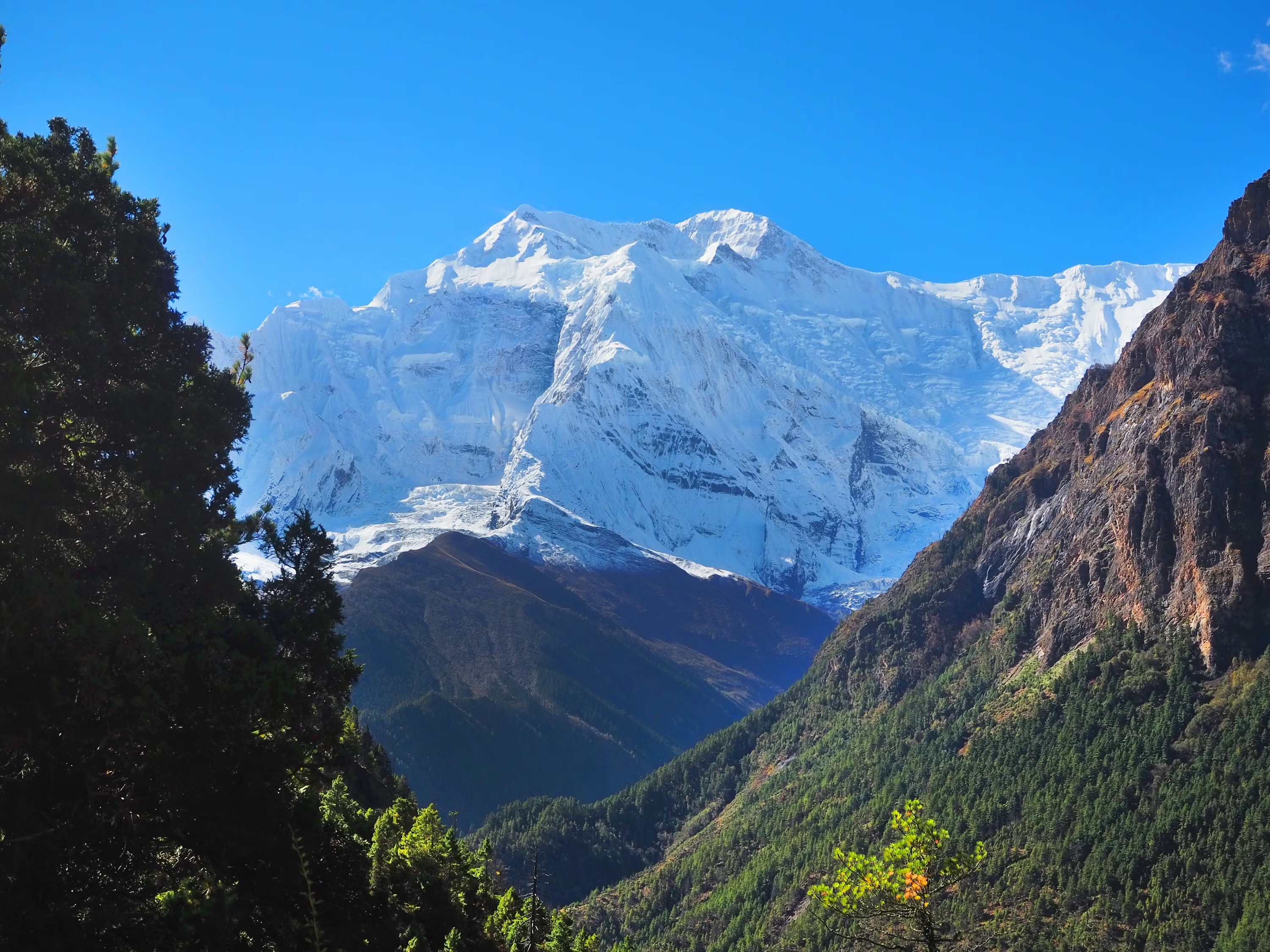
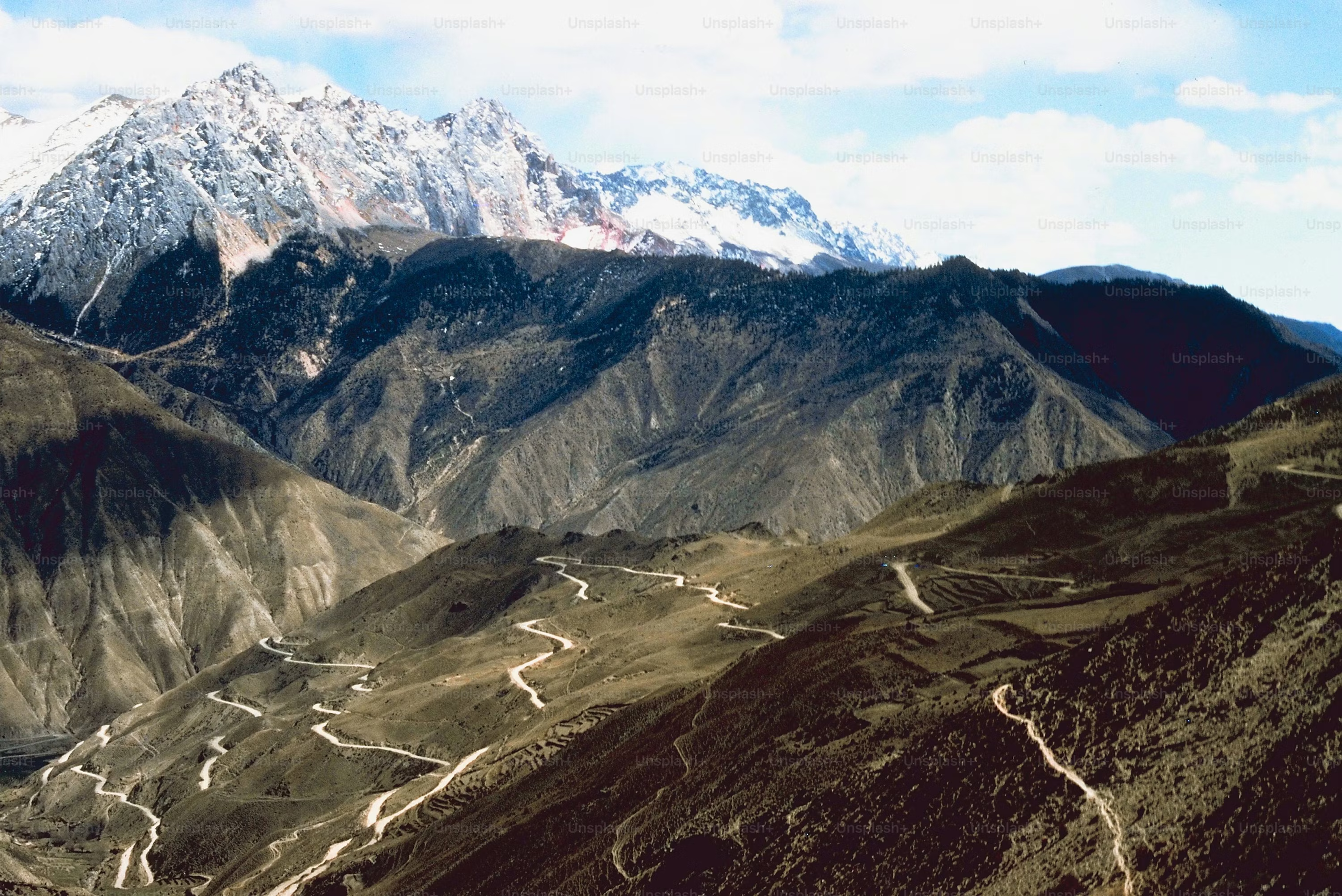
The Annapurna Circuit Trek is one of Nepal’s most celebrated long-distance treks, circling the immense Annapurna Massif through dramatic landscapes and culturally rich mountain communities. Over the course of the journey, trekkers move through lush river valleys, pine forests, windswept alpine terrain, and the stark high-altitude desert of Mustang.
The trail begins in the Marsyangdi Valley where terraced fields, waterfalls, and traditional villages accompany the route toward Chame and Pisang. As elevation increases, the scenery opens into wide glacial valleys framed by towering peaks such as Annapurna II, III, IV, Gangapurna, and Lamjung Himal. The cultural atmosphere also gradually shifts, revealing strong Tibetan Buddhist influences in villages like Manang, Braga, and Ngawal.
A key acclimatization stop occurs in Manang, where trekkers rest while exploring nearby viewpoints, monasteries, and the shimmering Gangapurna Lake. Beyond this point the terrain becomes rugged and alpine, passing Yak Kharka and Thorong Phedi before the trek’s greatest challenge.
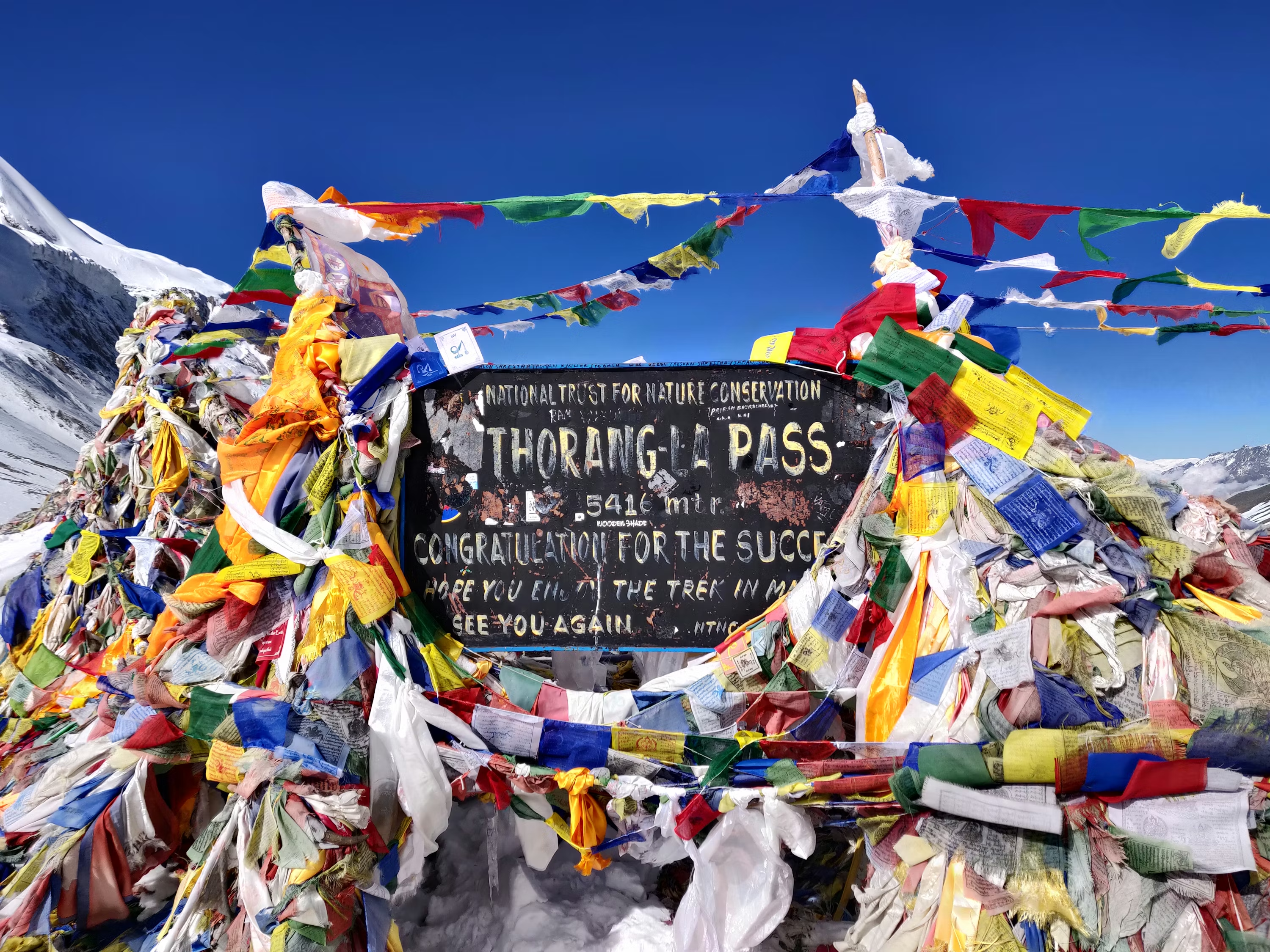
The highlight of the Annapurna Circuit is the crossing of Thorong La Pass (5,416m), one of the highest trekking passes on Earth. Reaching the summit at sunrise reveals sweeping views of the Annapurna and Dhaulagiri ranges, along with a sense of accomplishment that defines this classic Himalayan adventure.
Descending from the pass, the trail enters the Mustang region and arrives at the sacred temple complex of Muktinath, an important pilgrimage destination for both Hindus and Buddhists. The journey continues through the Kali Gandaki Valley—home to the world’s deepest gorge—toward the natural hot springs of Tatopani and the rhododendron forests of Ghorepani.
An early morning climb to Poon Hill provides a spectacular panoramic sunrise over Annapurna, Dhaulagiri, and Machhapuchhre before the trek concludes near Pokhara.
Combining dramatic scenery, rich culture, and high-altitude adventure, the Annapurna Circuit Trek remains one of the most rewarding trekking experiences in the Himalayas.
Arrival in Kathmandu (1,360m/4,462 ft)
Kathmandu Sightseeing & trek preparation Day (1,360m/4,462 ft)
Drive from Kathmandu to Besisahar by local bus (760m/2493 ft) 7 hours
Drive from Besisahar to Chame by local sharing jeep (2,670m/8,760 ft) 6 hours
Trek from Chame to Upper Pisang (3,330m/10,925 ft) 5-6 hours
Trek from Upper Pisang to Manang via Nawal (3,540m/11,614 ft) 5-6 hours
Rest & Side trip Day (3,540m/11,614 ft)
Trek to Yar kharka (4,018m/13,182 ft) 4-5 hours
Trek to Thorang High Camp (4,925m/16,158 ft) 4-5 hours
Trek to Muktinath via Thorang La pass (5416 m/17769 ft) 7-8 hours
Drive from Muktinath to Tatopani (natural Hot Spring) by Local bus (1,190m/3,904 ft) 5 hours
Drive from Tatopani To Pokhara by Local Bus (820 m/2690 ft) 5 hours
Drive from Pokhara to Kathmandu & departure (1,360m/4,462 ft) 7 hours
This itinerary is customizable. If you want to modify any aspect of this trip, let us know and we'll create a personalized itinerary just for you.
CUSTOMIZE MY TRIPThe most favorable seasons for the Annapurna Circuit Trek are spring (March to May) and autumn (September to November). During these months, skies are generally clear and mountain views are excellent. Spring brings blooming rhododendron forests while autumn offers stable weather and crisp visibility across the Himalayas.
Trekking the Annapurna Circuit requires two permits: the Annapurna Conservation Area Permit (ACAP) and the TIMS card (Trekkers’ Information Management System). These permits help regulate trekking activities and support conservation and local community programs in the region.
This trek is considered strenuous due to long walking days and the high altitude crossing of Thorong La Pass at 5,416 meters. Trekkers should be comfortable hiking 5–8 hours per day on varied terrain. Prior trekking experience and good cardiovascular fitness are highly recommended.
Travelers visiting Nepal require a tourist visa, which can be obtained upon arrival at Tribhuvan International Airport in Kathmandu or through a Nepalese embassy. Visitors must hold a passport valid for at least six months and may need passport-sized photos.
The Annapurna Circuit passes through multiple climate zones, ranging from subtropical valleys to alpine tundra and high mountain desert. Temperatures can vary significantly; lower regions are mild while high-altitude areas can drop below freezing, especially at night.
Here's a recommended packing list for your trek. Some items can be rented or purchased in Kathmandu or at the trailhead.