Didn't find the perfect trip?
Let us craft a tailor-made adventure just for you.
Associated With


Let us craft a tailor-made adventure just for you.
Associated With

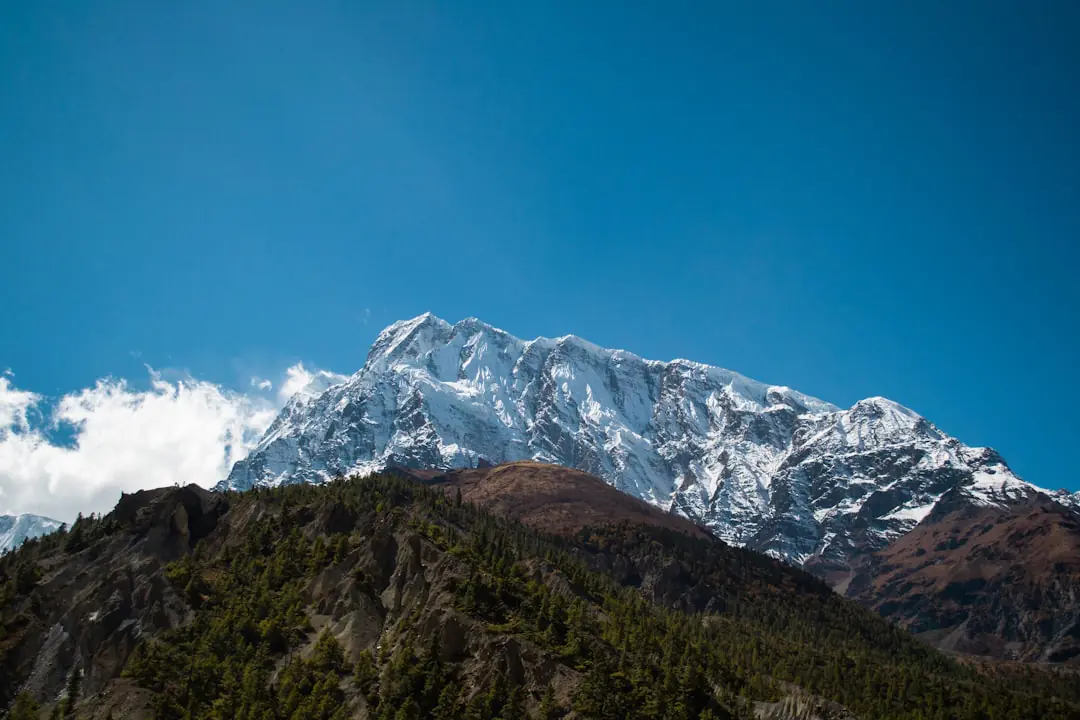
Thorong Peak (6,144 m) rises dramatically just south of the famous Thorong La Pass in Nepal’s Annapurna region. Although classified as a trekking peak, the climb is a serious high‑altitude challenge that blends classic Himalayan trekking with technical mountaineering. This expedition follows the iconic Annapurna Circuit route before turning toward the remote slopes of Thorong Peak for a rewarding summit push.
The journey begins in Kathmandu and travels to the Marsyangdi Valley, where the trail gradually climbs through terraced villages, pine forests, and traditional Gurung and Tibetan-influenced settlements. As the altitude increases, the landscape transforms from lush river valleys to stark alpine terrain surrounded by towering Himalayan giants.
During the trek, trekkers acclimatize in Manang, a key mountain settlement known for its monasteries and dramatic scenery. From here the route continues toward Thorong Phedi and the high alpine environment surrounding the Thorong La Pass (5,416 m). The climb to Thorong Peak requires proper mountaineering equipment and guidance from experienced climbing leaders as the upper slopes involve snow, ice, and glacier travel.
The summit rewards climbers with a sweeping panorama across the central Himalaya. From the top, the Annapurna massif stretches across the horizon while Dhaulagiri, Manaslu, Lamjung Himal, and the distinctive pyramid of Machhapuchhre rise dramatically above the valleys below.
Beyond the summit achievement, this adventure also includes the spiritual destination of Muktinath, an ancient pilgrimage site sacred to both Hindus and Buddhists. The descent passes through the Kali Gandaki valley — the world’s deepest gorge — before returning to Pokhara and Kathmandu.
Thorong Peak Climbing is ideal for experienced trekkers seeking their first Himalayan summit above 6,000 meters. With proper acclimatization, professional guides, and a carefully designed itinerary, this expedition offers an unforgettable blend of culture, high mountain landscapes, and alpine climbing.
Kathmandu Arrival (1,400m/4,593 ft)
Kathmandu Sightseeing and Trek Preparation (1,400m/4,593 ft)
Drive to Besisahar (760m/2,493 ft)
Drive to Chame (2,710m/8,891 ft)
Trek to Pisang (3,300m/10,827 ft)
Trek to Manang (3,519m/11,545 ft)
Acclimatization Day (3,519m/11,545 ft)
Trek to Leder (4,200m/13,780 ft)
Trek to Thorong Phedi (5,416m/17,769 ft)
Trek to Thorong Peak Base Camp (5,200m/17,060 ft)
Trek to High Camp (Training Day) (5,630m/18,471 ft)
Summit Day and Back to Base Camp (6,144m/20,157 ft)
Trek to Muktinath via Thorong La (3,710m/12,172 ft)
Drive to Tatopani (Hot Spring) (1,190m/3,904 ft)
Drive to Pokhara (820m/2,690 ft)
Drive Back to Kathmandu (1,400m/4,593 ft)
Final Departure (1,400m/4,593 ft)
This itinerary is customizable. If you want to modify any aspect of this trip, let us know and we'll create a personalized itinerary just for you.
CUSTOMIZE MY TRIPThe most stable seasons for Thorong Peak climbing are spring (March to May) and autumn (September to November). These months typically offer clear mountain views, moderate temperatures, and safer climbing conditions. Winter brings heavy snow at high altitude, while the summer monsoon can make trails slippery and obscure mountain views.
Climbers must obtain a Thorong Peak climbing permit issued by the Nepal Mountaineering Association. In addition, trekkers need an Annapurna Conservation Area Permit (ACAP) and a TIMS trekking card. These permits help support conservation and ensure proper regulation of trekking routes.
This expedition is physically demanding and suited to experienced trekkers with strong endurance. Prior experience at high altitude and familiarity with crampons and ice axe use is highly recommended. Preparation should include cardiovascular training, strength exercises, and multi-day hiking practice.
Most travelers can obtain a Nepal tourist visa upon arrival at Kathmandu’s Tribhuvan International Airport. Visas are available for 15, 30, or 90 days and require a valid passport and passport-sized photos. Fees are payable in major currencies.
The trek passes through multiple climate zones, from warm river valleys to cold alpine environments. Daytime temperatures in lower regions may reach 15–20°C, while high camps near the summit can fall well below freezing. Weather can change rapidly at altitude, making proper gear essential.
Here's a recommended packing list for your trek. Some items can be rented or purchased in Kathmandu or at the trailhead.