Didn't find the perfect trip?
Let us craft a tailor-made adventure just for you.
Associated With


Let us craft a tailor-made adventure just for you.
Associated With

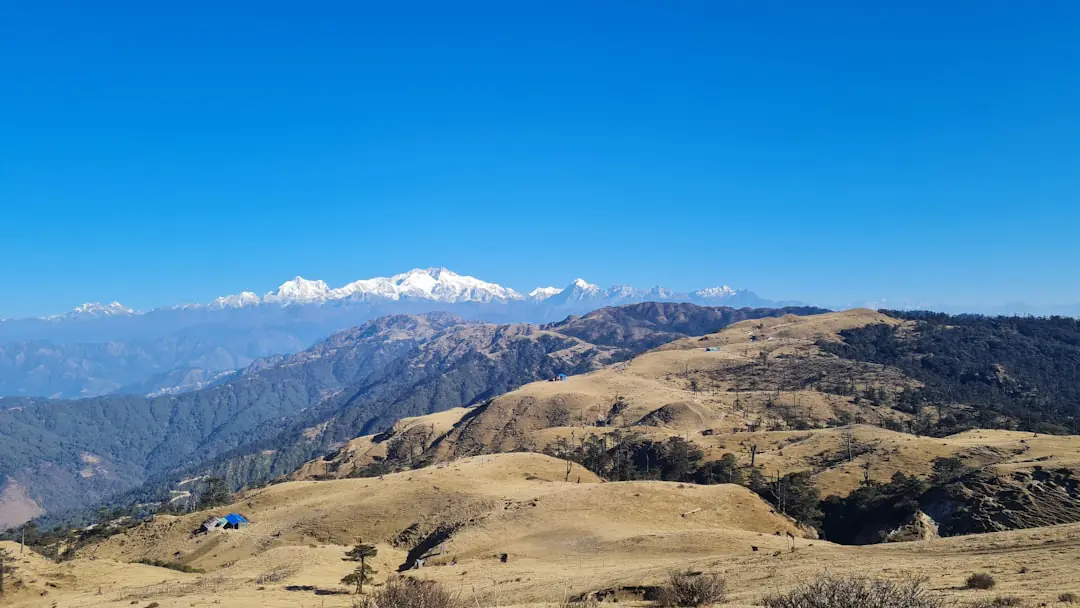
Tent Peak, locally known as Tharpu Chuli (5,695 m), is one of the most approachable trekking peaks in Nepal’s Annapurna region. Rising above the glacial basin of the Annapurna Sanctuary, the mountain is famous for its sharply pointed summit that resembles the shape of a tent. The climb offers an excellent introduction to Himalayan mountaineering while following the iconic trekking route to Annapurna Base Camp.
The journey begins in Kathmandu before traveling to Pokhara, Nepal’s scenic lake city. From here the trek enters the lush foothills of the Annapurna region, passing terraced farms, traditional Gurung villages, and dense forests of rhododendron and bamboo. The trail gradually climbs through settlements such as Chhomrong and Deurali before reaching the dramatic amphitheater of peaks at Annapurna Base Camp.
After trekking deep into the Annapurna Sanctuary, the expedition transitions from lodge-based trekking to alpine camping as you approach Tent Peak Base Camp. A dedicated training and acclimatization day allows climbers to practice essential mountaineering techniques such as rope handling, crampon use, and glacier movement. With the guidance of experienced climbing leaders, the summit push follows a glaciated route leading to the narrow crest of Tent Peak.
From the summit, climbers are rewarded with sweeping Himalayan views that include Annapurna I, Annapurna South, Hiunchuli, Machhapuchhre (Fishtail), and Dhaulagiri. The surrounding glacier basin and towering ridges create one of the most dramatic mountain panoramas in Nepal.
This expedition blends scenic trekking, cultural encounters, and an achievable high-altitude climb. Ideal for trekkers ready to step into mountaineering, Tent Peak provides a rewarding challenge within the stunning natural setting of the Annapurna Himalaya.
Kathmandu Arrival (1,400m/4,593 ft)
Kathmandu Sightseeing and Trek Preparation (1,400m/4,593 ft)
Drive to Pokhara (820m/2,690 ft)
Drive to Jhinu Danda and Trek to Chhomrong (2,170m/7,119 ft)
Trek to Himalaya (2,920m/9,580 ft)
Trek to Annapurna Base Camp (4,130m/13,550 ft)
Trek to Yak Kharka (4,130m/13,550 ft)
Trek to Tent Peak Base Camp (4,400m/14,436 ft)
Acclimatization Day (Training Day) (4,400m/14,436 ft)
Summit Day and Back to Base Camp (5,695m/18,684 ft)
Trek to Machhapuchre Base Camp (3,700m/12,139 ft)
Trek to Sinuwa (2,100m/6,890 ft)
Trek To Jhinu Danda (Hot Spring) (1,700m/5,577 ft)
Drive to Pokhara (820m/2,690 ft)
Drive to Kathmandu (1,400m/4,593 ft)
Final Departure (1,400m/4,593 ft)
This itinerary is customizable. If you want to modify any aspect of this trip, let us know and we'll create a personalized itinerary just for you.
CUSTOMIZE MY TRIPThe ideal seasons for Tent Peak climbing are spring (March–May) and autumn (September–November). During these months the skies are generally clear, temperatures are stable, and mountain views are at their best. Spring also brings blooming rhododendron forests along the lower trails, while autumn offers crisp air and excellent visibility for summit attempts.
Climbers need two primary permits for this expedition: the Annapurna Conservation Area Permit (ACAP) for trekking in the protected region and the Tent Peak (Tharpu Chuli) climbing permit issued by the Nepal Mountaineering Association. These permits are arranged by the trekking company prior to departure.
This climb is suitable for trekkers with good physical fitness and some prior high-altitude trekking experience. While the technical difficulty is moderate, climbers should be comfortable walking 5–7 hours daily and prepared for glacier travel using crampons and ropes during the summit push.
Most travelers can obtain a Nepal tourist visa on arrival at Tribhuvan International Airport in Kathmandu. Visas are available for 15, 30, or 90 days. Ensure your passport has at least six months of validity and bring passport-sized photos.
Temperatures vary widely along the route. Lower valleys are mild and humid, while higher elevations around Annapurna Base Camp and Tent Peak Base Camp can drop below freezing, especially at night. Summit conditions are cold and windy, requiring proper cold-weather clothing and equipment.
Here's a recommended packing list for your trek. Some items can be rented or purchased in Kathmandu or at the trailhead.