Didn't find the perfect trip?
Let us craft a tailor-made adventure just for you.
Associated With


Let us craft a tailor-made adventure just for you.
Associated With

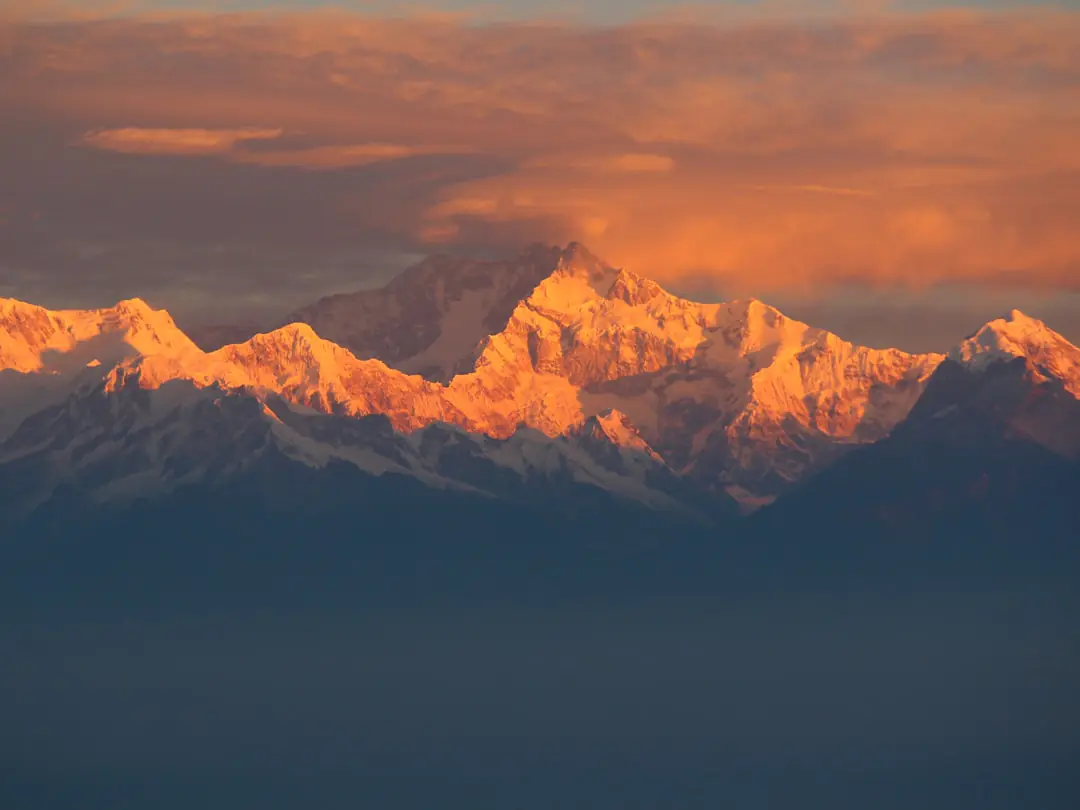
The Short Kanchenjunga Circuit Trek is an adventurous journey into one of Nepal’s most remote and least-visited Himalayan regions. Located in the far eastern corner of the country near the border with India’s Sikkim state, the Kanchenjunga region preserves a raw, untouched character rarely found on more popular trekking routes. This shortened itinerary captures the essence of the classic circuit while reaching the spectacular north base camp of Mount Kanchenjunga (8,586 m), the third-highest mountain on Earth.
The trek begins with travel from Kathmandu to eastern Nepal, followed by a scenic approach through green hills, terraced farms, and traditional villages. As the trail progresses deeper into the Kanchenjunga Conservation Area, the landscape transforms dramatically—from lush subtropical forests to alpine valleys surrounded by towering Himalayan peaks. Rhododendron forests, glacial rivers, waterfalls, and remote settlements create a constantly changing backdrop for the journey.
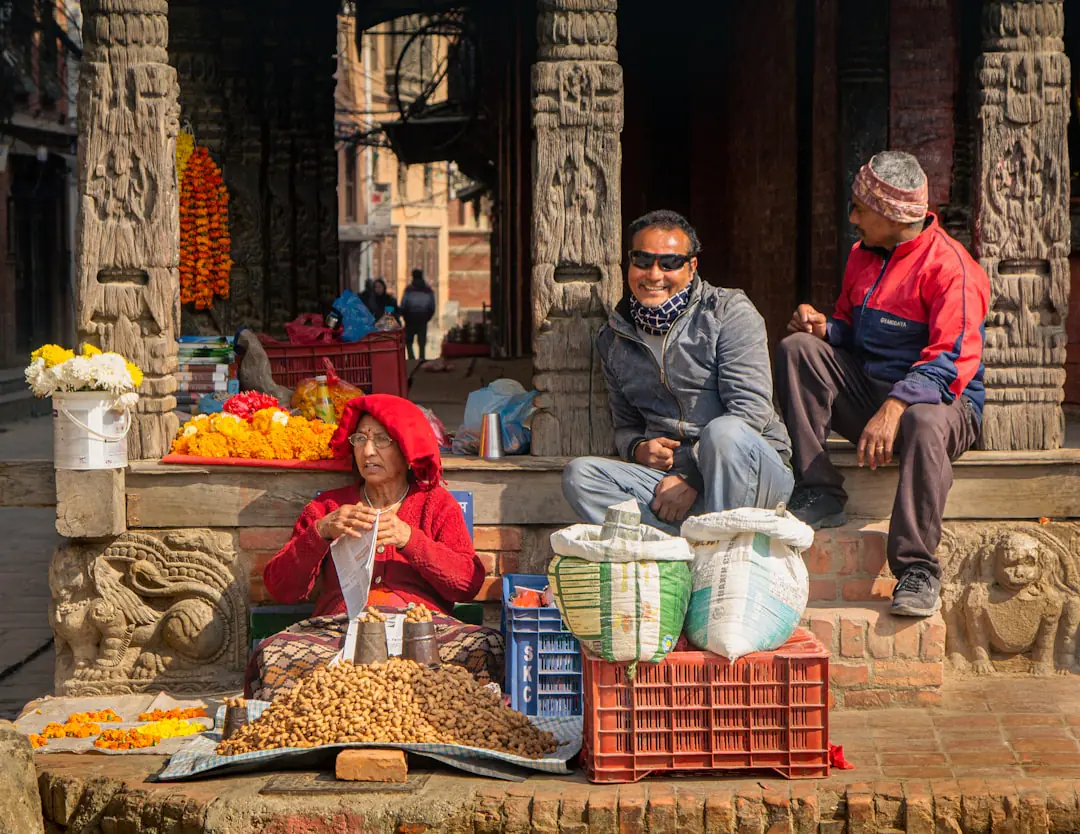
Along the route, trekkers pass through culturally rich communities inhabited by Limbu, Rai, and Tibetan-influenced mountain peoples. Prayer flags flutter above ancient monasteries, mani walls line the paths, and traditional lifestyles continue much as they have for generations. Villages such as Ghunsa and Kambachen offer warm hospitality despite their isolation, providing a fascinating glimpse into Himalayan life.
The trek’s highlight is the approach to Pangpema (Kanchenjunga North Base Camp), where immense glaciers descend from the mountain’s north face. From this vantage point, trekkers enjoy panoramic views of Kanchenjunga, Yalung Kang, Tent Peak, and several other dramatic summits. The surrounding landscape of ice, moraine, and jagged peaks creates one of the most powerful high-mountain environments in Nepal.
Although shorter than the traditional circuit trek, this route remains physically demanding due to long walking days, remote terrain, and high altitude. Trekkers should have good fitness and previous hiking experience. Those who take on the challenge are rewarded with quiet trails, extraordinary biodiversity—including the possibility of spotting Himalayan wildlife—and a deep sense of exploration rarely found in busier trekking regions.
For travelers seeking a true Himalayan wilderness experience, the Short Kanchenjunga Circuit Trek delivers a remarkable blend of culture, adventure, and dramatic mountain scenery.
Flight (45 Minutes flight) to Bhadrapur (91 m/298 ft) and drive Taplejung 7 hours
Drive to Sekathum (1,585m/5,200 ft) 6-7 hours
Trek to Amjilosa (2,395m/7,858 ft) 6 hours
Trek to Gyabla 6/ (2,730m/8,957 ft) 7 hours
Trek to Gunsa 5/ (3,450m/11,319 ft) 6 hours
Acclimatization Day at Gunsa (3,450m/11,319 ft)
Trek to Kambachen 5/ (4,050m/13,287 ft) 6 hours
Side trip to Janu Himal Base Camp (4,500m/14,764 ft) 7 hours
Trek to Lhonak 5/ (4,780m/15,682 ft) 6 hours
Trek to Pang Pema 7/back to Lhonak (5,150m/16,896 ft) 8 hours
Trek back to Ghunsa. (3,450m/11,319 ft) 7 hours
Trek to Sele La Base Camp (4290 m/14074) 4/ 5 hours
Trek to Tseram through 3 passes (3,870m/12,697 ft) 8 hours
Trek to Oktang back to Tseram 7/ (4,730m/15,518 ft) 8 hours
Trek to Tortong 5/ (3,000m/9,843 ft) 6 hours
Trek to Rainpool 7/ (2,080m/6,824 ft) 8 hours
Drive to Ilam (140 m/460ft) 7/ 8 hours
Drive to Bhadarpur 3 /and fly back to Kathmandu (1,360m/4,462 ft) 4 hours
This itinerary is customizable. If you want to modify any aspect of this trip, let us know and we'll create a personalized itinerary just for you.
CUSTOMIZE MY TRIPThe best seasons for the Short Kanchenjunga Circuit Trek are spring (March to May) and autumn (September to November). Spring brings blooming rhododendron forests and stable weather, while autumn offers crisp air and exceptional mountain visibility. Winter can be very cold at higher elevations, and monsoon months bring heavy rain and slippery trails.
This trek lies within the Kanchenjunga Conservation Area and a restricted border region. Trekkers must obtain a Kanchenjunga Conservation Area Permit (KCAP) and a special Restricted Area Permit issued by the Nepal government. A licensed guide and a minimum of two trekkers are typically required to obtain these permits.
The trek is considered challenging due to long walking days, remote terrain, and high altitude conditions. Trekkers should have good endurance and preferably previous trekking experience. Training with regular hikes, cardio exercise, and strength workouts for several weeks before the trip is recommended.
Most travelers can obtain a Nepal tourist visa on arrival at Kathmandu International Airport. Visitors need a valid passport, passport photos, and visa fees in cash. Visa durations typically range from 15 to 90 days depending on the traveler’s plan.
The lower valleys of the Kanchenjunga region are humid and green, while the upper sections near base camp are cold and alpine. Daytime temperatures during trekking seasons are generally comfortable, but nights at high altitude can drop well below freezing. Weather can change quickly in the mountains, so proper clothing and gear are essential.
Here's a recommended packing list for your trek. Some items can be rented or purchased in Kathmandu or at the trailhead.