Didn't find the perfect trip?
Let us craft a tailor-made adventure just for you.
Associated With


Let us craft a tailor-made adventure just for you.
Associated With

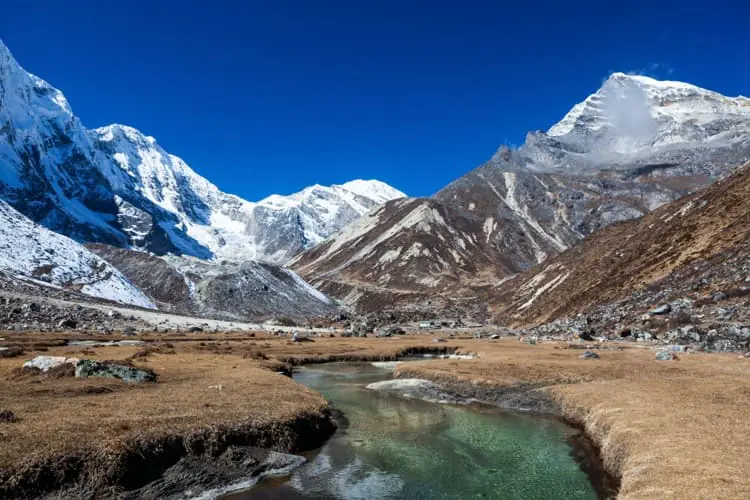
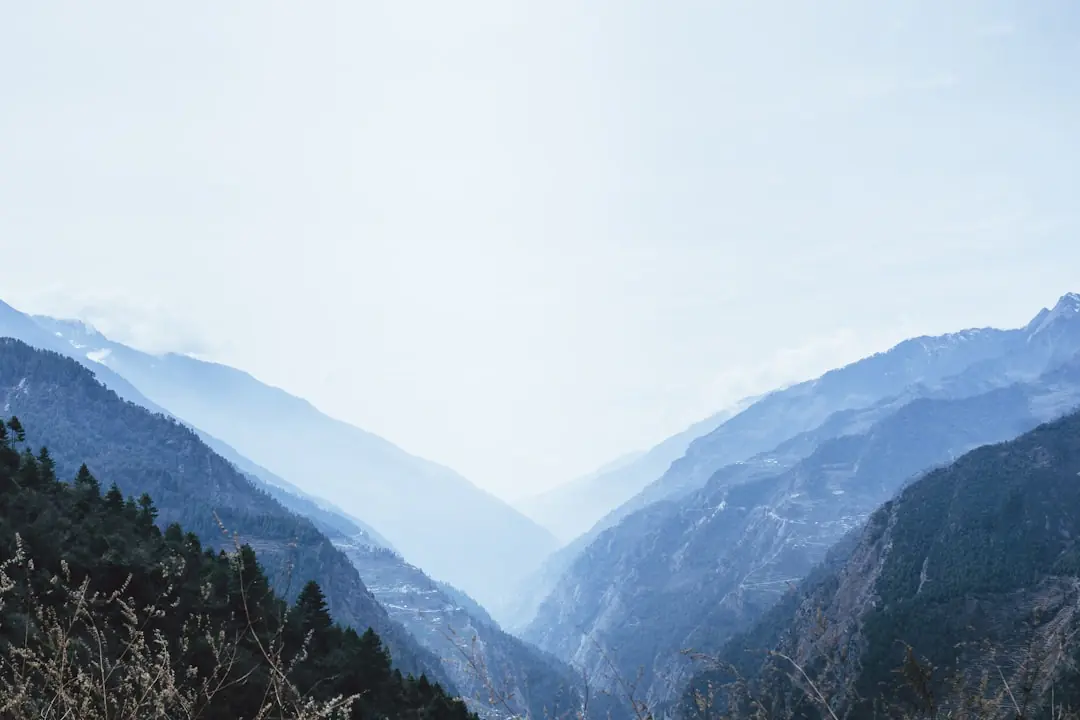
The Rolwaling Tashi Lapcha Pass Trek is one of Nepal’s most remote and adventurous Himalayan journeys. This challenging route links the secluded Rolwaling Valley with the famous Khumbu region by crossing the high Tashi Lapcha Pass at 5,755 meters. Far from the busy trails of mainstream trekking routes, this expedition-style adventure leads through wild landscapes, glacial valleys, and traditional mountain villages where ancient Himalayan culture remains largely unchanged.
The trek begins with a scenic drive from Kathmandu into the Dolakha district, entering the dramatic Rolwaling Valley beneath the towering Gaurishankar range. The early days follow forested trails and terraced hillsides before gradually climbing into alpine terrain. Villages such as Simigaun, Beding, and Na offer a glimpse into the daily life of Sherpa and Tamang communities who have lived in this isolated valley for generations.
A highlight of the journey is the approach to Tso Rolpa Lake, one of Nepal’s largest glacial lakes, surrounded by rugged icefalls and moraine landscapes. Beyond the lake, the trek becomes more alpine and demanding as the route crosses the Rolwaling Glacier and climbs toward the high camp below Tashi Lapcha Pass. The pass itself offers extraordinary views across the Himalaya, including Mount Everest, Cho Oyu, Gaurishankar, Rolwaling Kang, and Dorje Lakpa.
After crossing the pass, the trail descends into the Khumbu region, following traditional yak routes through Thame Valley before joining the classic Everest trekking network. The journey concludes with a scenic flight from Lukla back to Kathmandu.
This trek combines wilderness exploration, glacier travel, and authentic Himalayan culture. With a mixture of teahouse stays and high‑altitude camping, it is best suited for experienced trekkers seeking a quieter and more adventurous alternative to Nepal’s popular trekking routes.
Arrival at Kathmandu (1,350m/4,429 ft)
Sightseeing in Kathmandu and preparation for the trek (1,350m/4,429 ft)
Drive to Chhetchhet (1,398m/4,587 ft)
Trek to Simi Gaun (7,134m/23,406 ft)
Trek to Do-Gang (2,800m/9,186 ft)
Trek to Beding (3,700m/12,139 ft)
Trek to Nagaon (4,180m/13,714 ft)
Acclimatization Day / Training Day (7,134m/23,406 ft)
Trek to Kabug (7,134m/23,406 ft)
Trek to Tashi Lapcha Phedi (5,755m/18,881 ft)
Acclimatization Day (5,755m/18,881 ft)
Trek to Thyangbo (8,201m/26,906 ft)
Trek to Thame (3,820m/12,533 ft)
Trek to Namche (3,440m/11,286 ft)
Trek to Lukla (2,840m/9,318 ft)
Fly to Kathmandu (1,350m/4,429 ft)
Final Departure (1,350m/4,429 ft)
This itinerary is customizable. If you want to modify any aspect of this trip, let us know and we'll create a personalized itinerary just for you.
CUSTOMIZE MY TRIPThe best seasons for the Rolwaling Tashi Lapcha Pass Trek are spring (March to May) and autumn (September to November). During these months the weather is relatively stable and the mountain views are clear. Spring brings blooming rhododendron forests and moderate temperatures, while autumn offers crisp air and excellent visibility across the high Himalayas.
Trekkers require several permits for this journey including the Gaurishankar Conservation Area Permit and the Sagarmatha National Park Permit. A TIMS card may also be required depending on trekking regulations. These permits help fund conservation and maintain trekking routes in the region.
This trek is demanding and suitable for experienced trekkers with excellent fitness. Participants should be comfortable trekking 6–7 hours per day at high altitude and should ideally have prior experience above 4,500 meters. Glacier travel and the crossing of a high Himalayan pass require strong endurance and proper acclimatization.
Most travelers can obtain a Nepal tourist visa on arrival at Tribhuvan International Airport in Kathmandu. Visitors should carry a valid passport, passport photographs, and the visa fee in cash. Visa durations of 15, 30, or 90 days are available.
The trek passes through several climate zones, from subtropical valleys to alpine glaciers. Lower valleys are mild, while temperatures drop significantly above 4,000 meters. Nights near the pass can fall well below freezing, and weather can change rapidly in high mountain terrain.
Here's a recommended packing list for your trek. Some items can be rented or purchased in Kathmandu or at the trailhead.