Didn't find the perfect trip?
Let us craft a tailor-made adventure just for you.
Associated With


Let us craft a tailor-made adventure just for you.
Associated With

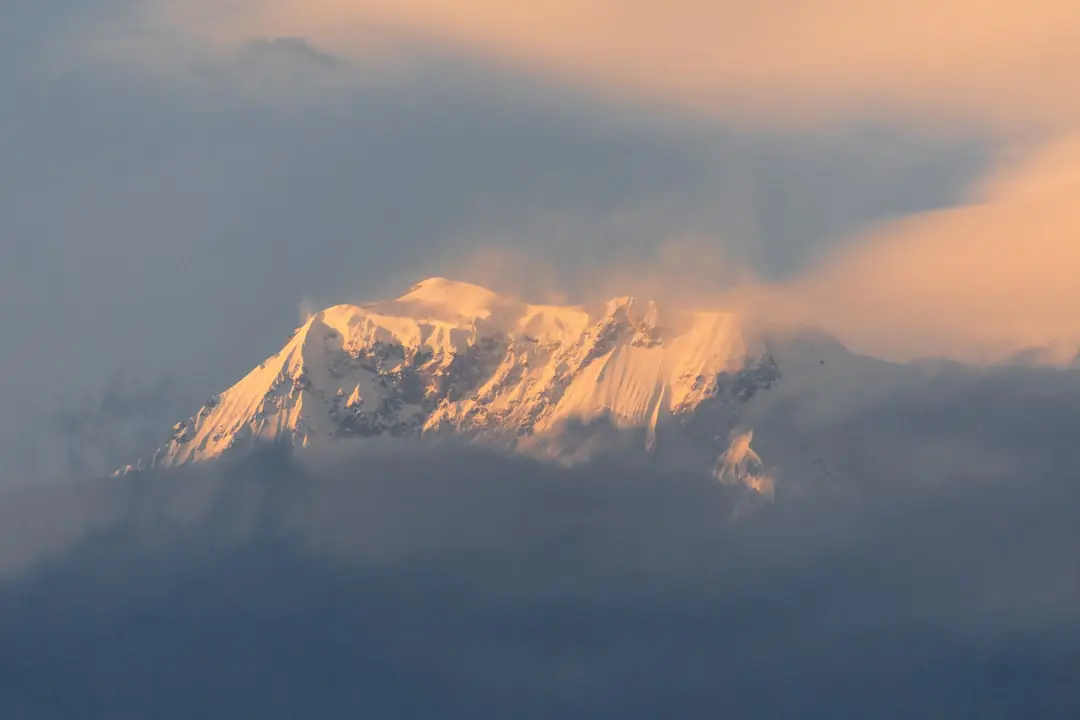
Pisang Peak (6,091 m) is one of Nepal’s most rewarding trekking peaks, rising dramatically above the Annapurna region just north of the village of Upper Pisang. Known for its striking pyramid shape and panoramic summit views, this climb offers the perfect introduction to Himalayan mountaineering for trekkers ready to step beyond traditional trekking.
The journey begins with a scenic drive from Kathmandu to the Annapurna foothills, gradually following the legendary Annapurna Circuit trail. As you trek through traditional villages such as Chame and Upper Pisang, the landscape transitions from lush forests of pine and oak to alpine terrain framed by towering peaks. Along the way, you experience the culture of Gurung and Manangi communities, visit ancient monasteries, and witness the dramatic shift in scenery that makes this region so remarkable.
From Upper Pisang, the adventure becomes more alpine as the route ascends to Pisang Peak Base Camp and High Camp. Here, your guides provide essential training in climbing techniques such as rope handling, crampon use, and ice‑axe movement. This preparation ensures climbers are confident and ready for the summit push.
The summit day is both challenging and rewarding. The climb follows snow slopes and a defined ridge before reaching the peak’s narrow summit. From the top, the Himalayan panorama stretches in every direction — Annapurna II, Annapurna III, Annapurna IV, Gangapurna, Tilicho Peak, Manaslu, and the Chulu range dominate the skyline.
After the successful ascent, the trek continues deeper into the Annapurna region, exploring Manang’s high‑altitude desert landscape before tackling the famous Thorong La Pass (5,416 m). The trail then descends to the sacred pilgrimage site of Muktinath and finally reaches Jomsom, where a scenic flight returns you to Pokhara before heading back to Kathmandu.
Combining trekking, cultural exploration, and alpine climbing, Pisang Peak Climbing is an unforgettable Himalayan expedition for adventurous trekkers seeking their first true summit.
Drive from Kathmandu to Besisahar (760 m/2493 ft) 6-7 hours
Drive To Chame (2,670m/8,760 ft) 5-6 hours
Trek from Chame to Upper Pisang ( 3300 m/10826 ft) 5-6 hours
Trek to Pisang Peak Base Camp ( 5442 m/17854 ft) 5-6 hours
Rest Day and Training for climbing (5,442m/17,854 ft)
Extra Day For Climbing (5,442m/17,854 ft)
Trek to Pisang Peak High Camp (5,700m/18,701 ft)
Summit Pisang Peak and back to Pisang Base Camp (5442 m/17854 ft)
Trek from Pisang Peak Base Camp to Upper Pisang (3,300m/10,827 ft) 3 hours
Trek from Upper Pisang to Chame (2,670m/8,760 ft) 4-5 hours
Drive Back to Besisahar (760 m/2493 ft) 5-6 hours
Drive back to Kathmandu (1,360m/4,462 ft) 6-7 hours
Final Departure (1,360m/4,462 ft)
This itinerary is customizable. If you want to modify any aspect of this trip, let us know and we'll create a personalized itinerary just for you.
CUSTOMIZE MY TRIPThe best seasons for Pisang Peak Climbing are spring (March to May) and autumn (September to November). During these months the skies are typically clear, temperatures are moderate, and mountain views are at their best. Spring offers blooming rhododendron forests and warmer conditions, while autumn provides crisp air and exceptional visibility after the monsoon season.
Climbers must obtain a Pisang Peak climbing permit from the Nepal Mountaineering Association as well as the Annapurna Conservation Area Permit (ACAP). These permits regulate climbing activities and support conservation efforts in the region.
This climb is considered strenuous and is best suited for trekkers with strong fitness and some prior high‑altitude trekking experience. The ascent involves glacier travel, steep snow slopes, and long summit days. Good cardiovascular endurance and preparation are essential.
Most travelers can obtain a Nepal visa on arrival at Kathmandu’s Tribhuvan International Airport. Visitors should carry a passport valid for at least six months and passport photos. Visa fees vary depending on the length of stay.
The Annapurna region experiences varied climates as the trek climbs from subtropical valleys to alpine environments. Lower areas can be warm during the day, while temperatures at high camps and the summit can drop well below freezing, especially before sunrise. Proper layering and cold‑weather gear are essential.
Here's a recommended packing list for your trek. Some items can be rented or purchased in Kathmandu or at the trailhead.