Didn't find the perfect trip?
Let us craft a tailor-made adventure just for you.
Associated With


Let us craft a tailor-made adventure just for you.
Associated With

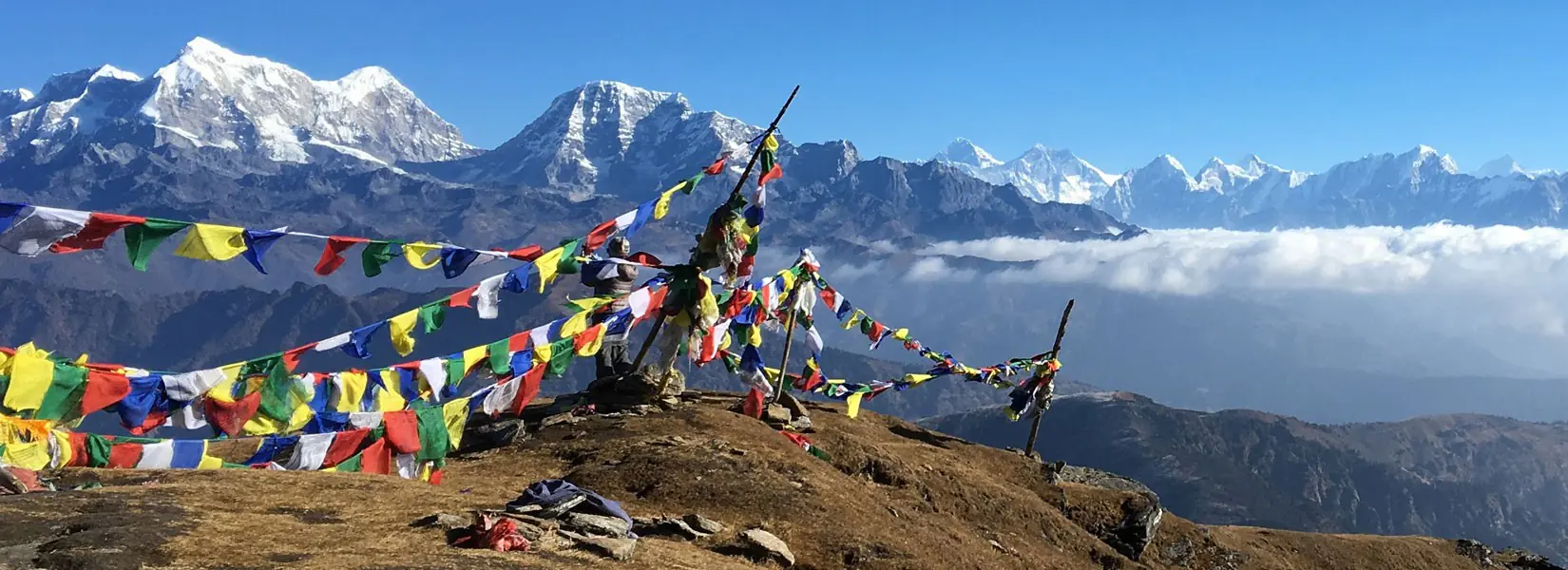
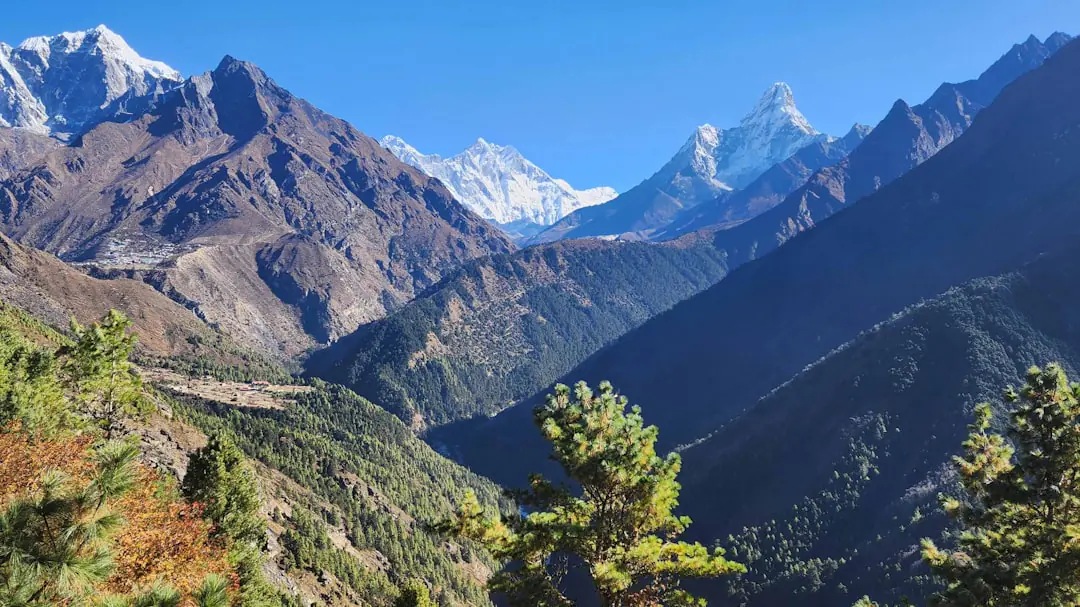
The Pikey Peak Trek is one of the most rewarding short trekking adventures in Nepal’s lower Everest region. Rising to 4,065 meters, Pikey Peak is widely regarded as one of the finest viewpoints in the Himalayas. From its summit ridge, trekkers can admire a spectacular panorama that stretches from Dhaulagiri and Annapurna in the west to Everest, Makalu, and Kanchenjunga in the east.
Unlike the busy trails leading to Everest Base Camp, the Pikey Peak route winds through quiet hills, forested ridgelines, and traditional Sherpa settlements where daily life continues much as it has for generations. The journey begins with a scenic overland drive from Kathmandu to the small mountain settlement of Dhap. From there, the trail gradually ascends through rhododendron forests, yak pastures, and scattered villages such as Japre, Loding, and Junbesi.
The highlight of the trek is the early morning ascent to the summit of Pikey Peak. As the sun rises, the snow-covered Himalayan skyline glows with shifting colors while Mount Everest stands clearly above the surrounding peaks. The vantage point also reveals Lhotse, Makalu, Cho Oyu, Kanchenjunga, Annapurna, Manaslu, and many other summits — a rare panoramic sweep from a single viewpoint.
Beyond mountain scenery, the trek offers rich cultural experiences. Along the trail you will encounter ancient Buddhist monasteries, prayer walls, and welcoming Sherpa communities. Visits to sacred sites such as Thupten Chholing Monastery and Chiwong Monastery provide insight into the region’s spiritual traditions.
The Pikey Peak Trek is considered moderate and suitable for trekkers with basic fitness. With comfortable teahouse lodges and gradual elevation gain, it offers an accessible way to experience the Everest region without the crowds or the Lukla flight.
If you are looking for an authentic Himalayan trek with dramatic mountain views, peaceful trails, and genuine local culture, the Pikey Peak Trek delivers an unforgettable journey into one of Nepal’s most charming trekking regions.
Arrive in Nepal (1,360m/4,462 ft)
Kathmandu city sightseeing and Trek preparation Tour (1,360m/4,462 ft) 5-7 hours
Drive from Kathmandu to Dhap (2,932 m/9,619.42 ft) 7-8 hours
Trek from Dhap to Jhapre (2,820 m/9,251.96 ft) 5-6 hours
Trek from Jhapre to Pikey Base Camp (3,640 m/11,942.26 ft) 5-6 hours
Trek from Pikey Base Camp to Junbesi (2,700 m/8,858.26 ft) via Pikey Peak (4,065 m/13,336.61 ft.) 7-8 hours
Explore Junbesi (2,700 m/8,858.26 ft) and visit Thupten Chholing Gumba 4-5 hours
Trek from Junbesi to Phaplu (2,469 m/8,100.39) 5 hours
Drive Back to Kathmandu (1,360m/4,462 ft) 9-10 hours
Final Departure (1,360m/4,462 ft)
This itinerary is customizable. If you want to modify any aspect of this trip, let us know and we'll create a personalized itinerary just for you.
CUSTOMIZE MY TRIPThe ideal seasons for the Pikey Peak Trek are spring (March to May) and autumn (September to November). During these months, the skies are typically clear and the Himalayan views are at their best. Spring brings blooming rhododendron forests and mild temperatures, while autumn offers crisp air and excellent visibility. Winter treks are also possible with snowy scenery, though temperatures can be cold at higher elevations.
Trekkers require the Everest region local permit and the Gaurishankar Conservation Area Permit. These permits help protect the natural environment and support local communities along the trail.
This trek is considered moderate. Daily walks range from five to seven hours on well-established trails. Anyone with a reasonable level of fitness and the ability to walk for several hours per day can complete the trek comfortably.
Most travelers can obtain a Nepal tourist visa on arrival at Tribhuvan International Airport in Kathmandu. It is recommended to carry a valid passport with at least six months validity and passport photos for the application.
The lower Everest region experiences mild daytime temperatures during trekking seasons. Days are usually comfortable for hiking, while nights become cooler as altitude increases. Weather conditions can change quickly in the mountains, so trekkers should be prepared with layered clothing and rain protection.
Here's a recommended packing list for your trek. Some items can be rented or purchased in Kathmandu or at the trailhead.