Didn't find the perfect trip?
Let us craft a tailor-made adventure just for you.
Associated With


Let us craft a tailor-made adventure just for you.
Associated With

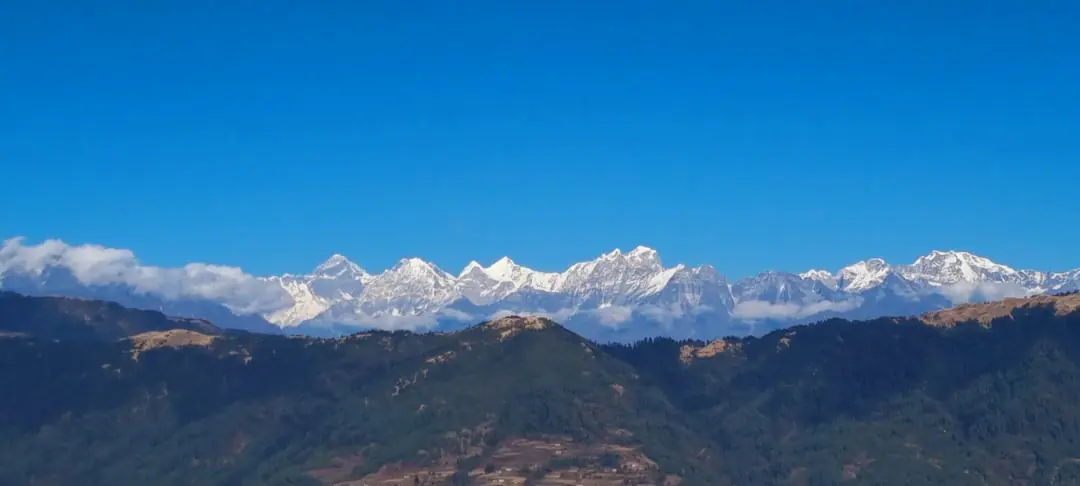
The Pikey Peak Lower Everest Trek with Yoga is a rejuvenating Himalayan journey that combines gentle trekking, panoramic mountain views, and mindful yoga practice. Located in Nepal's Solukhumbu district, this trail explores the quieter side of the Everest region where traditional Sherpa culture, ancient monasteries, and forested ridges create a peaceful trekking environment.
The trek leads to the summit of Pikey Peak (4,065 m), a remarkable viewpoint known for one of the widest Himalayan panoramas in Nepal. From the summit ridge, trekkers can observe an impressive sweep of peaks including Everest, Makalu, Kanchenjunga, Lhotse, Cho Oyu, Annapurna, Manaslu, and Nuptse. Sir Edmund Hillary once mentioned that this viewpoint offered one of his favorite perspectives of Mount Everest.
Unlike the busier trails near Everest Base Camp, the Pikey Peak route travels through tranquil villages inhabited by Sherpa, Rai, and Tamang communities. Stone houses, terraced farmland, and fluttering prayer flags accompany the path while rhododendron forests color the hillsides during spring.
What makes this itinerary special is the integration of daily yoga and meditation sessions. Gentle morning practices help prepare the body for trekking, while evening sessions focus on relaxation and breathing techniques. Practicing yoga against the backdrop of snow‑covered Himalayan giants creates a uniquely calming and energizing experience.
The trek begins with an overland journey from Kathmandu to the Solu region, eliminating the need for flights to Lukla. Over the following days, trekkers gradually ascend through scenic villages such as Dhap, Jhapre, and Junbesi before reaching the Pikey Peak base area. After witnessing a spectacular sunrise from the summit, the route continues through historic monasteries including the famous Thupten Choling Monastery, one of the most important Tibetan Buddhist centers in the region.
With moderate walking days, welcoming teahouse accommodation, and meaningful cultural encounters, this trek is ideal for travelers seeking both adventure and personal renewal. The Pikey Peak Yoga Trek offers a rare balance of physical exploration, spiritual reflection, and authentic Himalayan hospitality.
Drive from Kathmandu to Dhap (2,932 m/9,619.42 ft) 7-8 hours
Trek from Dhap to Jhapre (2,820 m/9,251.96 ft) 5-6 hours
Trek from Jhapre to Pikey Base Camp (3,640 m/11,942.26 ft) 5-6 hours
Trek from Pikey Base Camp to Junbesi (2,700 m/8,858.26 ft) via Pikey Peak (4,065 m/13,336.61 ft.) 7-8 hours
Explore Junbesi (2,700 m/8,858.26 ft) and visit Thupten Chholing Gumba 4-5 hours
Trek from Junbesi to Phaplu (2,469 m/8,100.39 ft) 5 hours
Drive Back to Kathmandu (1,360m/4,462 ft) 9-10 hours
This itinerary is customizable. If you want to modify any aspect of this trip, let us know and we'll create a personalized itinerary just for you.
CUSTOMIZE MY TRIPThe ideal seasons for the Pikey Peak Trek are spring (March–May) and autumn (September–November). These months offer clear skies, comfortable temperatures, and excellent mountain views. Spring brings colorful rhododendron blooms across the hills, while autumn provides crisp air and stable weather.
Winter trekking is also possible for those who enjoy quiet trails and snowy scenery, though temperatures can drop significantly at higher elevations.
Trekking in the Lower Everest region requires local permits issued by regional authorities. These typically include the Solukhumbu Local Municipality Permit and related conservation area entry permissions. All permits are arranged by the trekking operator prior to departure.
This trek is considered moderate and suitable for travelers with a reasonable level of fitness. Daily walking usually ranges from 4 to 7 hours across forest trails, ridges, and small villages. No technical climbing experience is required, but regular hiking or cardio exercise before the trip will make the experience more enjoyable.
Travelers visiting Nepal must obtain a tourist visa. Most nationalities can receive a visa on arrival at Kathmandu International Airport. Visitors should bring a valid passport, passport photos, and visa fees payable in cash. Visa regulations may change, so travelers should confirm requirements before departure.
The Lower Everest region experiences mild temperatures compared to higher Everest trails. Daytime temperatures during trekking seasons generally range between 10°C and 20°C at lower elevations, while nights become cooler as altitude increases. Weather conditions can change quickly in the mountains, so warm clothing and rain protection are essential.
Here's a recommended packing list for your trek. Some items can be rented or purchased in Kathmandu or at the trailhead.