Didn't find the perfect trip?
Let us craft a tailor-made adventure just for you.
Associated With


Let us craft a tailor-made adventure just for you.
Associated With

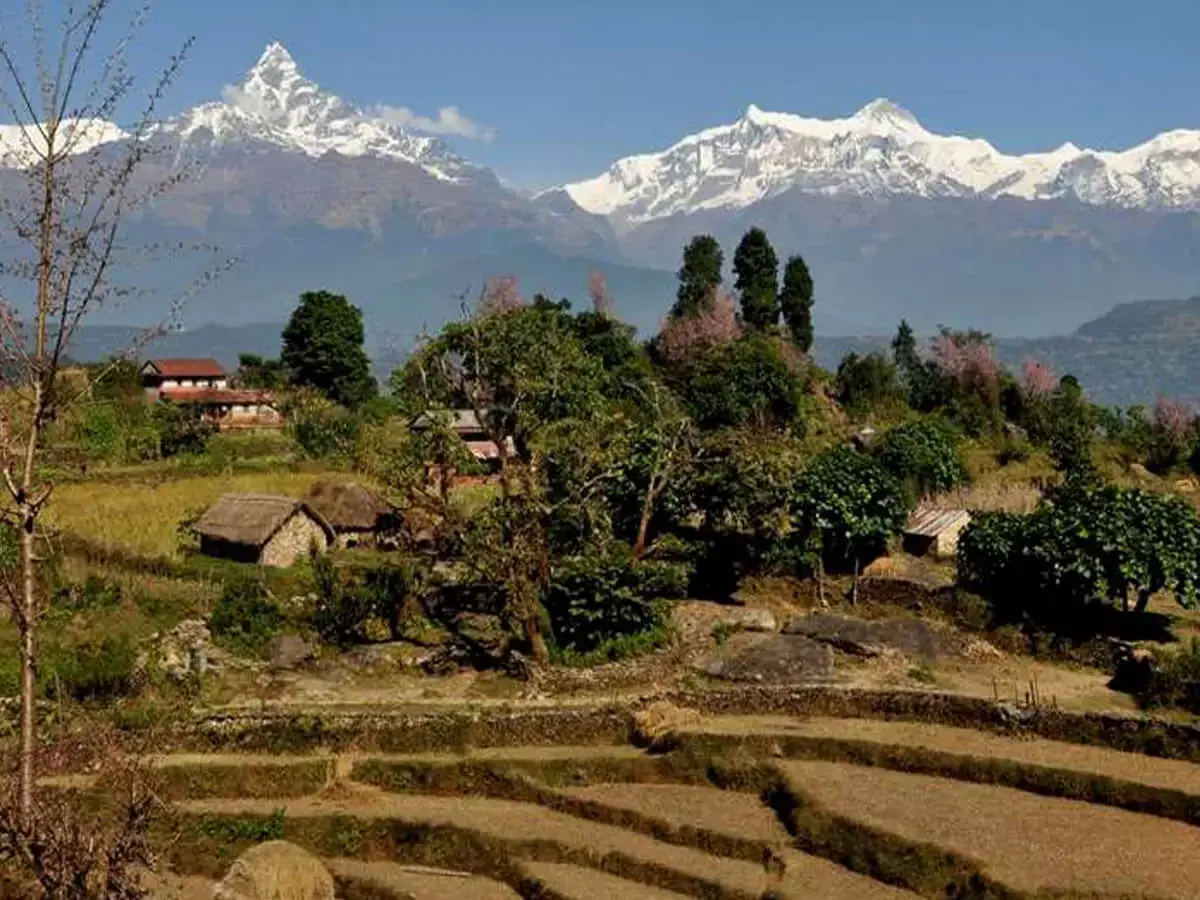
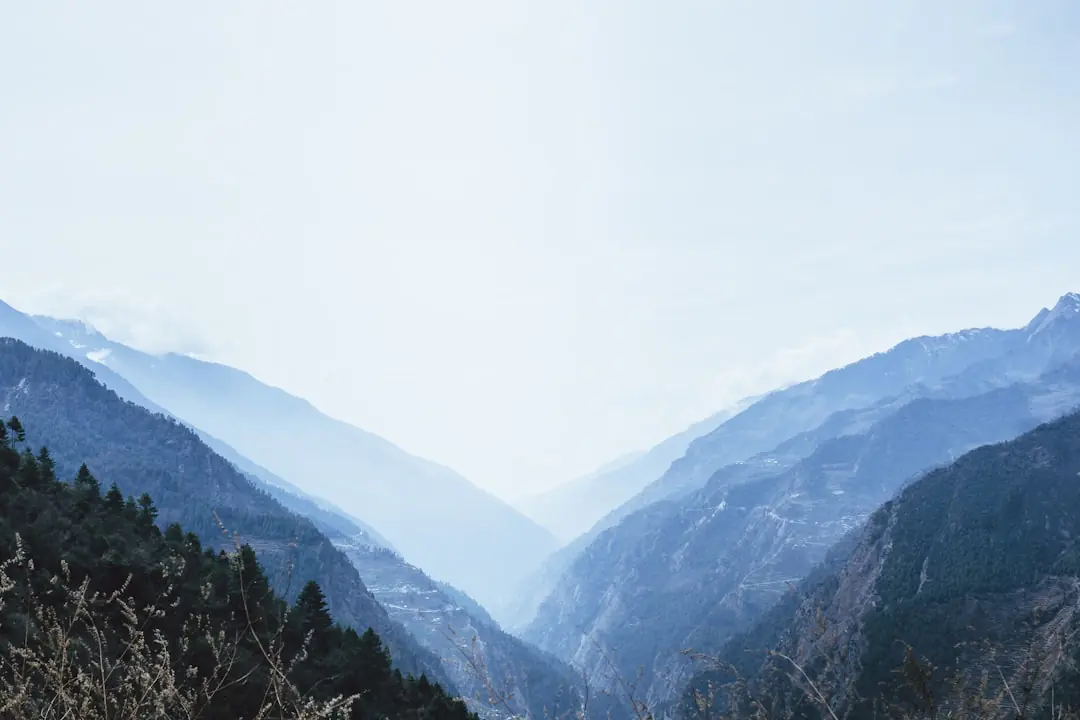
The Panchase Trek is one of the most rewarding short treks in the Annapurna region, ideal for travelers seeking mountain scenery without the crowds of Nepal’s more famous routes. Located just west of Pokhara, the trail climbs gradually through forested hills and traditional villages to the sacred ridge of Panchase Danda, a viewpoint known for its wide panorama of the Annapurna and Dhaulagiri ranges.
This journey combines gentle hiking with deep cultural encounters. The path winds through terraced farmland, rhododendron forests, and small settlements inhabited by Gurung, Magar, Brahmin, and Chhetri communities. Along the way you’ll witness everyday rural life—farmers tending fields, traditional stone houses, and centuries‑old customs that continue to shape the region.
The highlight of the trek is reaching Panchase Danda, a sacred hilltop rising above the surrounding valleys. From this vantage point the Himalaya unfolds in an impressive arc including Annapurna South, Machapuchare (Fishtail), Lamjung Himal, Manaslu, and even distant Dhaulagiri on clear days. Sunrise from the ridge paints the snow peaks in golden light while clouds drift slowly through the valleys below.
Beyond mountain views, Panchase is also known for its biodiversity. The forests are home to orchids, rhododendrons, and many bird species, making the trek particularly beautiful during spring when the hillsides burst with color. The moderate altitude means the trek is accessible to hikers of most fitness levels, and altitude sickness is rarely a concern.
Beginning in Kathmandu and continuing to Pokhara, the trek gradually ascends through Khare, Bhumdi, and Panchase Bhanjyang before reaching the sacred summit ridge. The route then descends through scenic hill villages such as Bhadaure and Dhampus, finishing with a relaxing return to Pokhara.
For travelers who want a quieter Himalayan experience filled with culture, nature, and expansive views, the Panchase Trek offers an authentic and refreshing alternative to busier trekking routes.
Arrival at Kathmandu and transport to one of the best hotels in Nepal (1360m/ 4461 ft.)
Sightseeing in Kathmandu and trek preparation (1360m/ 4461 ft.)
Drive to Pokhara from Kathmandu 820 m/2690 ft. 7-8 hours
Drive from Pokhara to Pumdi (1,520m/4,987 ft) 4-5 hours
Trek from Pumdi to Panchase Bhanjyang (2,065m/6,775 ft) 4-5 hours
Early morning summit of Panchase peak and trek to Kande and drive to Pokhara(820 m/2690 ft) 6-7 hours
Drive back to Kathmandu (1360m/ 4461 ft.) 7-8 hours
Fly to home (1,400m/4,593 ft)
This itinerary is customizable. If you want to modify any aspect of this trip, let us know and we'll create a personalized itinerary just for you.
CUSTOMIZE MY TRIPThe most favorable seasons for the Panchase Trek are spring (March to May) and autumn (September to November). During these months the skies are generally clear and the mountain views are at their best. Spring also brings blooming rhododendron forests that color the hillsides. Winter trekking is possible with cooler temperatures, while the monsoon months from June to August bring heavy rain and slippery trails.
The trek lies within the Annapurna region and requires the Annapurna Conservation Area Permit (ACAP). Your trekking agency usually arranges these permits before the trek begins.
This trek is graded easy and is suitable for beginners with reasonable fitness. Daily walking generally lasts between five and seven hours on well‑established trails with gradual ascents and descents. No technical climbing experience is required.
Most travelers can obtain a Nepal tourist visa on arrival at Tribhuvan International Airport in Kathmandu. Ensure your passport is valid for at least six months and carry passport photos and the visa fee in cash.
The Panchase region has a mild hill climate compared to high Himalayan routes. Daytime temperatures during trekking seasons range from 10°C to 20°C at higher elevations, while nights can be cooler. The area receives heavy rainfall during the summer monsoon, which can make trails muddy and reduce mountain visibility.
Here's a recommended packing list for your trek. Some items can be rented or purchased in Kathmandu or at the trailhead.