Didn't find the perfect trip?
Let us craft a tailor-made adventure just for you.
Associated With


Let us craft a tailor-made adventure just for you.
Associated With

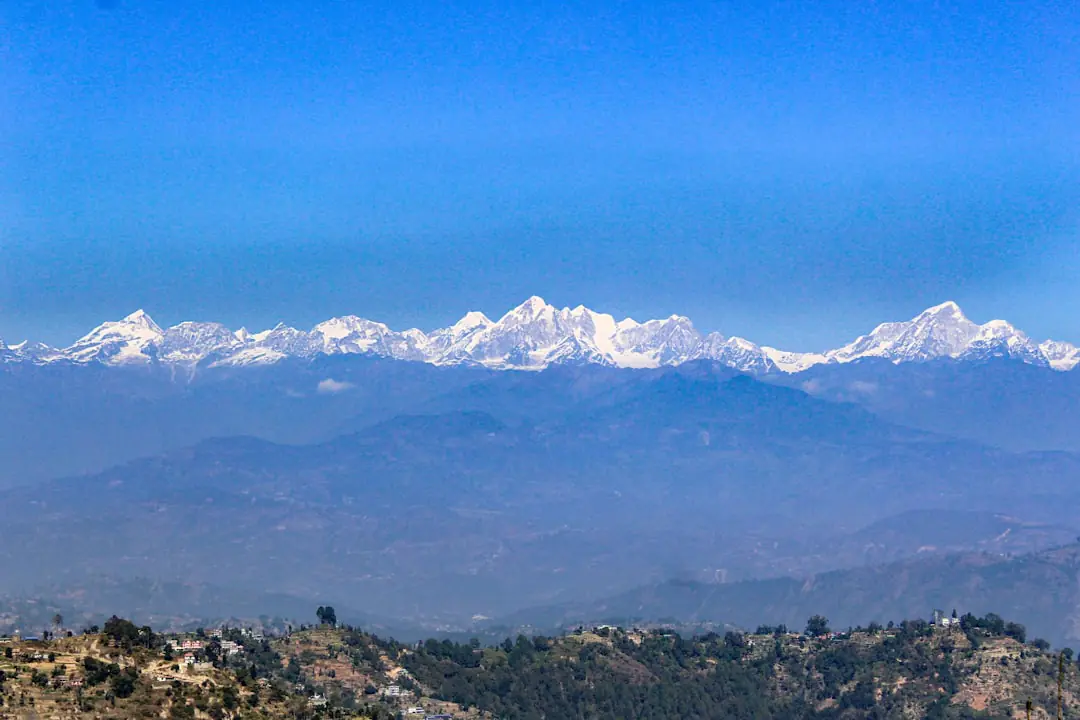
Paldor Peak (5,923 m) rises in the quiet Ganesh Himal range northwest of Kathmandu, offering an adventurous climb away from the crowds of the Everest and Annapurna regions. This expedition blends remote Himalayan trekking with an achievable alpine summit, making it an ideal objective for trekkers ready to step into mountaineering.
The journey begins with a scenic drive to Syabrubesi and follows the culturally rich Tamang Heritage Trail through traditional villages such as Gatlang. As the trail climbs higher into the Ganesh Himal region, forests give way to alpine meadows and glacial valleys. Along the route, trekkers enjoy sweeping views of Langtang Lirung (7,227 m), Manaslu (8,156 m), Ganesh Himal, and even the Tibetan giant Shishapangma (8,013 m).
Paldor Peak itself was first climbed in 1949 by Bill Tilman, Peter Lloyd, Tenzing Sherpa, and Da Namgyal via the northeast ridge. The ascent today typically follows glaciated terrain leading to a col before tackling a moderately steep ridge. Sections of snow and ice, occasional crevasses, and a final ridge climb require the use of ropes and basic mountaineering skills under the supervision of experienced guides.
Before the summit attempt, climbers establish camps at base camp and high camp to allow for proper acclimatization. On summit day, the climb rewards you with an immense Himalayan panorama stretching from the Ganesh Himal chain to Langtang and Manaslu. The sense of isolation and scale in this lesser‑visited region makes the experience particularly special.
This 18‑day adventure is perfect for fit trekkers and aspiring mountaineers who want to gain real Himalayan climbing experience without committing to a major expedition. With professional guides, gradual acclimatization, and spectacular scenery, Paldor Peak delivers a rewarding and authentic Himalayan climbing journey.
Arrival in Kathmandu (1,400m/4,593 ft)
Kathmandu Sightseeing & trek preparation Day (1,400m/4,593 ft)
Drive from Kathmandu to Syabru Besi (7,422m/24,350 ft)
Trek from Shyabru to Gatlang (2,238m/7,343 ft)
Trek from Gatlang to Somdang (3,739m/12,267 ft)
Trek from Somdang to Lari (5,860m/19,226 ft)
Acclimatization Day (5,860m/19,226 ft)
Trek from Lari to Paldor Base Camp (5,860m/19,226 ft)
Trek from Base Camp to High Camp (5,200m/17,060 ft)
Summit Paldor Peak- Back to Base Camp (8,013m/26,289 ft)
Reserve Day for Bad Weather (8,013m/26,289 ft)
Trek from Base Camp to Somdang (3,258m/10,689 ft)
Trek from Somdang to Gatlang (2,238m/7,343 ft)
Trek from Gatlang to Tatopani (2,607m/8,553 ft)
Hike from Tatopani to Nagthali (3,165m/10,384 ft)
Trek from Tatopani to Shyabrubesi (1,460m/4,790 ft)
Drive from Shyabrubesi to Kathmandu (1,400m/4,593 ft)
Depart to International Airport (1,400m/4,593 ft)
This itinerary is customizable. If you want to modify any aspect of this trip, let us know and we'll create a personalized itinerary just for you.
CUSTOMIZE MY TRIPThe best seasons for climbing Paldor Peak are spring (March to May) and autumn (September to November). These periods generally provide stable weather, clearer skies, and favorable snow conditions for climbing. Spring offers colorful rhododendron forests during the trek, while autumn delivers crisp mountain views after the monsoon rains.
Climbers must obtain a Paldor Peak climbing permit issued by the Nepal Mountaineering Association. In addition, trekkers require a Langtang National Park permit and a TIMS card. These permits help regulate trekking activity and support conservation in the region.
This climb is rated challenging and requires good physical fitness. Participants should be comfortable trekking for 5–7 hours daily at high altitude. Basic mountaineering knowledge is beneficial, although experienced guides provide instruction on rope techniques, glacier travel, and safety during the climb.
Most travelers can obtain a Nepal tourist visa on arrival at Tribhuvan International Airport in Kathmandu. Visitors should bring a valid passport, passport photos, and the visa fee in cash. Visa durations of 15, 30, or 90 days are commonly available.
The lower trekking routes feature temperate forests and mild temperatures, while higher elevations near base camp and the summit are significantly colder. Night temperatures at high camp can drop well below freezing. Weather in the Himalayas can change quickly, so climbers must be prepared for snow, wind, and fluctuating conditions.
Here's a recommended packing list for your trek. Some items can be rented or purchased in Kathmandu or at the trailhead.