Didn't find the perfect trip?
Let us craft a tailor-made adventure just for you.
Associated With


Let us craft a tailor-made adventure just for you.
Associated With

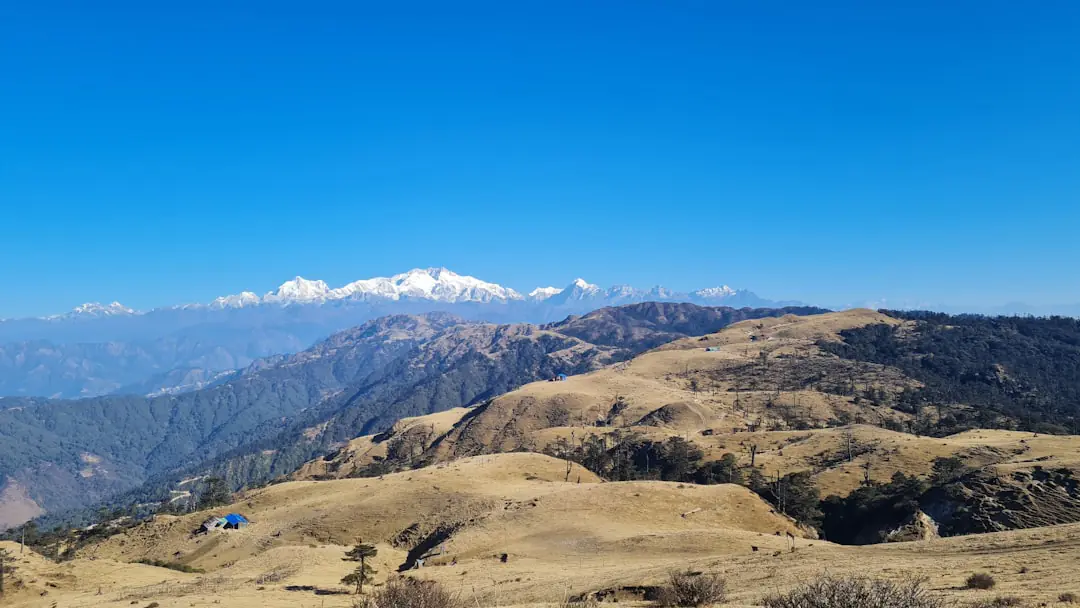
Naya Khang Peak, also known as Ganja La Chuli (5,844m), is one of the most attractive trekking peaks in Nepal’s Langtang region. Rising above the beautiful Kyanjin Valley, the mountain offers a rewarding introduction to Himalayan mountaineering with a blend of scenic trekking, glacier travel, and a technical summit climb. From its summit ridge, climbers enjoy expansive views of the Langtang Himal and the Tibetan plateau beyond.
The journey begins with a drive from Kathmandu to Syabrubesi, the gateway to Langtang National Park. The trail follows the Langtang Khola through forests of rhododendron, bamboo, and oak before entering the wide alpine valley of Langtang. Traditional Tamang villages, Buddhist prayer flags, mani walls, and chortens reflect the deep Tibetan cultural influence of the region.
Gradual ascent ensures proper acclimatization as trekkers reach Kyanjin Gompa (3,870m), a historic monastery surrounded by towering peaks and glaciers. This scenic alpine settlement serves as the staging point for the climb. A training and acclimatization day allows the team to practice rope techniques and prepare equipment before moving to base camp and high camp.
The climb to Naya Khang involves glacier travel and sections of steep snow and ice that require the use of crampons, ice axes, and fixed ropes. While technically accessible for fit trekkers with basic mountaineering instruction, the ascent still provides a genuine Himalayan climbing experience. Reaching the summit rewards climbers with remarkable panoramas of Langtang Lirung (7,227m), Dorje Lakpa (6,966m), Langshisha Ri (6,370m), Pemthang Ri (6,836m), Yala Peak, and the distant Shishapangma (8,064m) across the Tibetan border.
After celebrating the summit, the route retraces through the Langtang Valley, offering another chance to appreciate the region’s landscapes, wildlife, and mountain culture. For trekkers looking to combine trekking with a true Himalayan climbing challenge, Naya Khang Peak offers an adventurous and memorable objective in one of Nepal’s most scenic mountain valleys.
Arrival at Kathmandu (1,350m/4,429 ft)
Sightseeing in Kathmandu and preparation for the trek (1,350m/4,429 ft)
Drive to Syabrubensi (7,422m/24,350 ft)
Trek to Lama Hotel (2,410m/7,907 ft)
Trek to Langtang Village (7,227m/23,711 ft)
Trek to Kyanjing Gompa (3,730m/12,238 ft)
Acclimatization Day / Training Day (6,387m/20,955 ft)
Trek to Naya- Khang Base Camp (4,960m/16,273 ft)
Trek to Naya- Khang High Camp (4,430m/14,534 ft)
Summit Day / Back to Base Camp (5,844m/19,173 ft)
Trek back to Kyanjing Gompa (4,960m/16,273 ft)
Trek back to Lama Hotel (3,730m/12,238 ft)
Trek back to Syabrubesi (2,410m/7,907 ft)
Drive back to Kathmandu (1,503m/4,931 ft)
Final Departure (1,503m/4,931 ft)
This itinerary is customizable. If you want to modify any aspect of this trip, let us know and we'll create a personalized itinerary just for you.
CUSTOMIZE MY TRIPThe most stable climbing conditions occur during spring (March–May) and autumn (September–November). Spring brings blooming rhododendron forests and generally clear mornings, while autumn offers crisp mountain views and dry weather. Winter climbs are possible but temperatures can drop significantly, and heavy snowfall may complicate the ascent.
Climbers must obtain a Naya Khang Peak climbing permit issued through the Nepal Mountaineering Association along with a Langtang National Park entry permit. These permits help regulate climbing activities and support conservation in the protected region.
Naya Khang Peak is considered a strenuous trekking peak. Participants should be comfortable trekking 5–7 hours per day at high altitude and prepared for snow and ice climbing near the summit. Prior trekking experience and basic mountaineering skills are helpful, although guides provide instruction before the climb.
Travelers entering Nepal require a tourist visa, which can be obtained on arrival at Kathmandu International Airport or in advance from a Nepalese embassy. Visitors should carry a passport valid for at least six months and passport-sized photos.
The Langtang region experiences mild temperatures in lower valleys and cold alpine conditions above 4,000 meters. Daytime trekking temperatures range from 10°C to 20°C in spring and autumn, while summit temperatures can fall well below freezing. Weather can change quickly in the high Himalaya, so proper gear and flexibility are essential.
Here's a recommended packing list for your trek. Some items can be rented or purchased in Kathmandu or at the trailhead.