Didn't find the perfect trip?
Let us craft a tailor-made adventure just for you.
Associated With


Let us craft a tailor-made adventure just for you.
Associated With

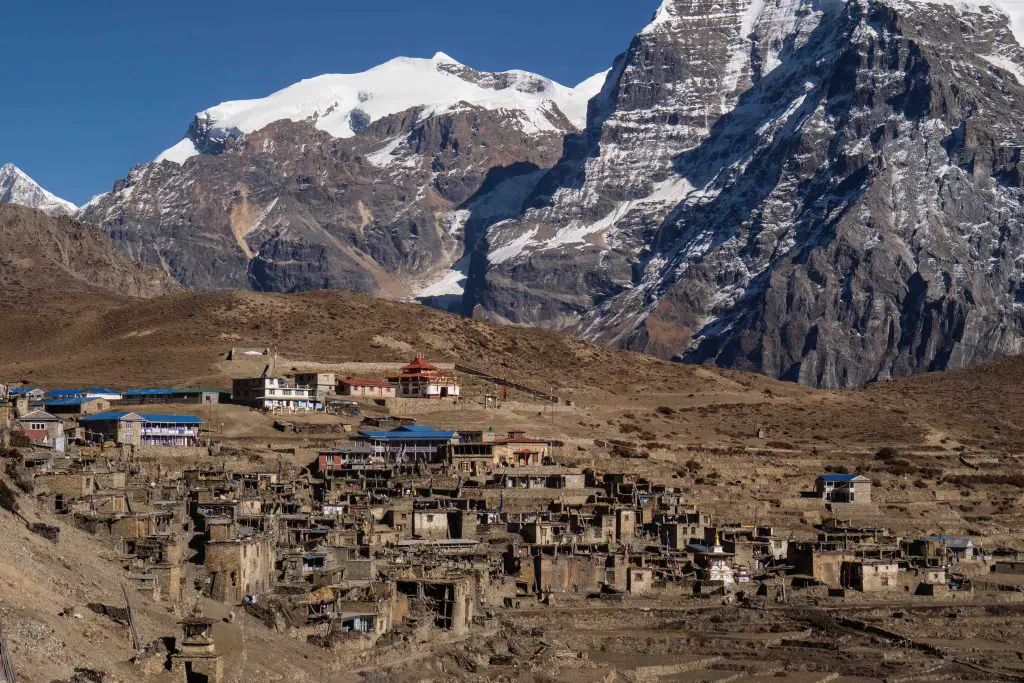
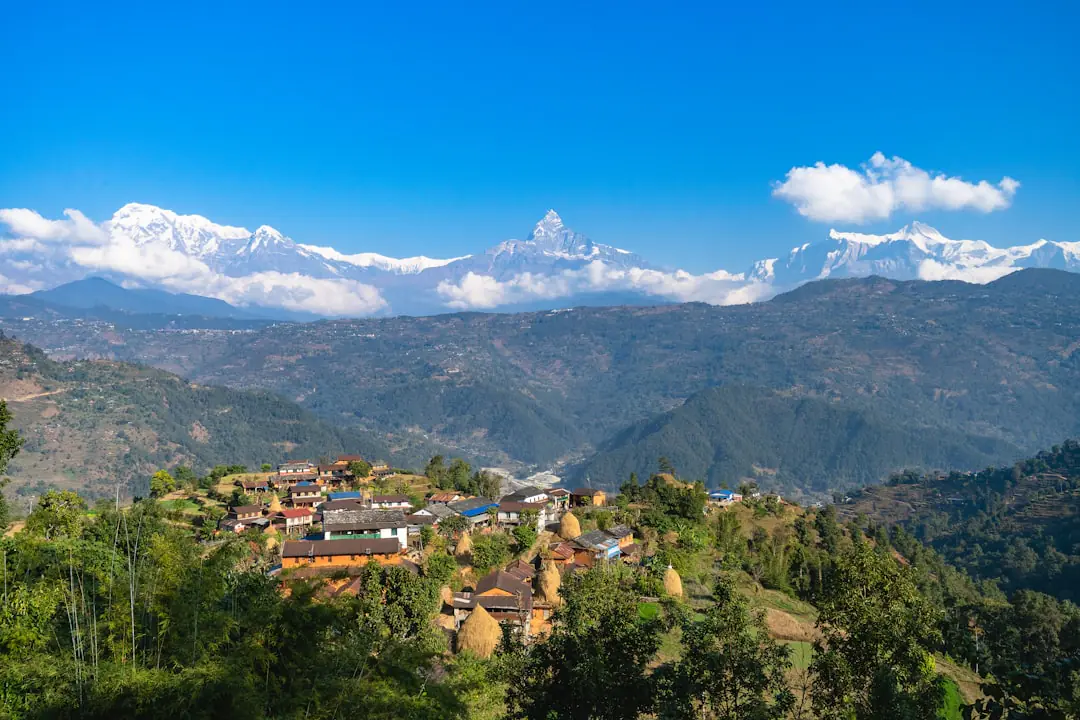
The Nar Phu Valley Trek leads into one of the most secluded corners of the Annapurna region, where ancient Tibetan culture, dramatic landscapes, and quiet mountain trails create a trekking experience unlike any other in Nepal. Opened to foreign trekkers only in 2003, this restricted valley remains wonderfully untouched compared to the more popular routes in the Himalayas.
The journey begins with a scenic drive from Kathmandu along winding river valleys to the Marsyangdi corridor, the gateway to the Annapurna region. From the village of Koto, the trail leaves the classic Annapurna Circuit and enters the hidden Nar and Phu valleys. Almost immediately, the atmosphere changes. Narrow gorges, high cliffs, and remote trails guide you into a stark alpine world where centuries-old villages cling to the hillsides.
Phu Gaon, one of the highlights of the trek, is a remarkable settlement of stone houses surrounded by barren mountains and ancient monasteries. The nearby Tashi Lhakhang Monastery, believed to have been blessed by Guru Rinpoche, offers insight into deep-rooted Himalayan Buddhist traditions. Trekking further south, Nar Village reveals a vibrant high‑altitude culture where yak herding, traditional crafts, and Tibetan customs remain part of daily life.
The physical and visual climax of the trek is the crossing of Kang La Pass (5,320 m). From the windswept summit, expansive views stretch across Annapurna II, Gangapurna, Tilicho Peak, and the rugged ridges of the Manang region. After descending into the picturesque village of Ngawal, the trail rejoins the Annapurna route before gradually returning through forests, river valleys, and mountain settlements.
The Nar Phu Valley Trek is ideal for trekkers seeking a quieter Himalayan adventure filled with cultural encounters and dramatic landscapes. With fewer crowds, authentic villages, and vast mountain scenery, this trek offers a rare glimpse into a preserved Himalayan world.
Arrive in Kathmandu (1,350m/4,429 ft)
Exploring and sightseeing Kathmandu (1,350m/4,429 ft)
A scenic drive from Kathmandu to Besisahar (173km) (1,400m/4,593 ft)
Drive from Besisahar to Koto (7,937m/26,040 ft)
A scenic Hike from Koto to Meta (7,937m/26,040 ft)
Trekking from Meta to Kyang (3,840m/12,598 ft)
Trek from Kyang to Phugaon (3,900m/12,795 ft)
Hike to Himlung Base Camp (4,900m/16,076 ft)
Descend to Kyang (3,840m/12,598 ft)
Trek from Kyang to Nar Village (7,140m/23,425 ft)
A scenic trek from Nar village -Kang La passes- Nawal (5,240m/17,192 ft)
Trek from Nawal to Chame (2,650m/8,694 ft)
Drive from Chame to Besisahar (760m/2,493 ft)
Drive from Besisahar to Kathmandu (1,300m/4,265 ft)
Departure to your home country (1,300m/4,265 ft)
This itinerary is customizable. If you want to modify any aspect of this trip, let us know and we'll create a personalized itinerary just for you.
CUSTOMIZE MY TRIPThe best seasons for the Nar Phu Valley Trek are spring (March to May) and autumn (September to November). These months offer clear mountain views, stable weather, and comfortable trekking temperatures. Spring also brings blooming rhododendron forests in the lower valleys, while autumn provides crisp air and excellent visibility after the monsoon rains.
Nar Phu Valley lies inside a restricted area of the Annapurna region. Trekkers must obtain a Nar Phu Restricted Area Permit and the Annapurna Conservation Area Permit (ACAP). The restricted permit regulates visitor numbers and helps preserve the culture and fragile environment of the valley.
This trek is considered challenging due to long trekking days, remote trails, and the crossing of Kang La Pass above 5,000 meters. Trekkers should have good physical fitness, stamina, and prior multi‑day hiking experience. Preparing with cardio training, hiking practice, and strength exercises greatly improves the experience.
Most travelers can obtain a Nepal tourist visa upon arrival at Tribhuvan International Airport in Kathmandu. Visa fees vary depending on the length of stay. Travelers should ensure their passport has at least six months of validity.
The trek passes through multiple climatic zones, from subtropical valleys to high alpine terrain. Daytime temperatures are usually mild in spring and autumn, but nights above 3,500 meters can drop below freezing. Weather in the mountains can change quickly, so proper gear and layered clothing are essential.
Here's a recommended packing list for your trek. Some items can be rented or purchased in Kathmandu or at the trailhead.