Didn't find the perfect trip?
Let us craft a tailor-made adventure just for you.
Associated With


Let us craft a tailor-made adventure just for you.
Associated With

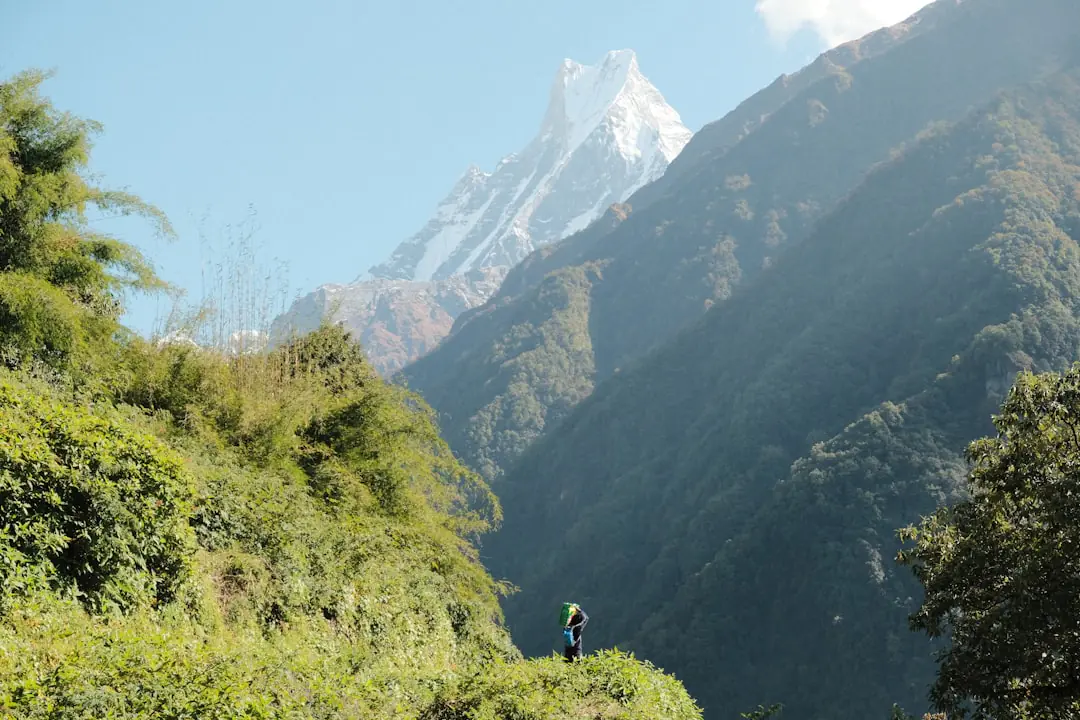
The Mundhum Trail Trek is one of Nepal’s newest and most culturally fascinating trekking routes, stretching across the remote hills of eastern Nepal. This journey follows the spiritual landscape of the Kirat people—particularly the Rai and Limbu communities—whose ancient oral scripture known as Mundhum guides their traditions, rituals, and connection to nature.
The trek begins in the historic pilgrimage town of Halesi, a sacred site respected by Hindus, Buddhists, and Kirat followers alike. From here, the trail gradually climbs through terraced farmland, rhododendron forests, and quiet mountain villages where traditional lifestyles remain largely unchanged. Trekkers pass through settlements such as Bung and Cheskam, where local hospitality, homestays, and authentic Kirati cuisine offer a deeper cultural experience.
As the trail gains elevation, the landscape transforms into open ridgelines with wide horizons. One of the trek’s spiritual highlights is Salpa Pokhari, a revered alpine lake surrounded by prayer flags and pilgrimage paths. Nearby stands the sacred peak of Silichung, the highest point of the trek at around 4,200 meters. From this ridge, trekkers are rewarded with sweeping panoramas that include Everest, Lhotse, Makalu, Kanchenjunga, and dozens of other Himalayan giants.
Unlike crowded trekking corridors, the Mundhum Trail offers quiet paths and authentic cultural encounters. Shepherd shelters known as goths, forest camps, and small community lodges provide simple but memorable overnight stays. Along the route, trekkers may encounter diverse wildlife including Himalayan tahr, musk deer, and even the elusive red panda within the dense forests.
Combining scenic ridge walking, sacred landscapes, and deep cultural immersion, the Mundhum Trail Trek is ideal for travelers seeking an off-the-beaten-path Himalayan experience. It is a journey not only across mountains but also into the spiritual traditions and daily life of eastern Nepal’s indigenous communities.
Drive from Kathmandu to Diktel Bazar 8/ (1,650m/5,413 ft) 9 hours
Drive to Chakhewa Village (2,300m/7,546 ft) 4 hours
Trek to Dhotre 6/ (2,752m/9,029 ft) 7 hours
Trek to Maiyung 6/ (3,122m/10,243 ft) 7 hours
Trek to Rawadhap 5/ (3,426m/11,240 ft) 6 hours
Trek to Salpa Bhanjyang (3,348m/10,984 ft) 6 hours
Explore around Silchung Hill and back to Salpa Bhanjyang (4,200m/13,780 ft)
Trek to Dharma Danda 5/ (2,972m/9,751 ft) 6 hours
Trek to Lokhim (2,962m/9,718 ft) 5 hours
: Explore Lokhim vallage (1,600m/5,249 ft)
Drive back to Halesi Mahadev (945 m/3100 ft) 5 hours
Drive to Kathmandu 6/ (1,360m/4,462 ft) 7 hours
This itinerary is customizable. If you want to modify any aspect of this trip, let us know and we'll create a personalized itinerary just for you.
CUSTOMIZE MY TRIPThe best seasons for the Mundhum Trail Trek are spring (March to May) and autumn (September to December). Spring brings blooming rhododendron forests and clear mountain views, while autumn offers crisp air and stable weather with excellent visibility of the Himalayas. Early winter can also be pleasant at lower elevations with fewer trekkers on the trail.
The Mundhum Trail lies within community-managed regions of eastern Nepal. Trekkers typically require local trekking permits issued through municipal authorities and tourism offices. Your trekking company will arrange all necessary documentation and fees before the trek begins.
This trek is graded as moderate and suitable for trekkers with reasonable fitness. Daily walking averages 5–7 hours along forest trails and ridgelines with gradual altitude gain. Previous trekking experience is helpful but not essential if participants maintain good stamina and preparation.
Most travelers can obtain a Nepal tourist visa on arrival at Tribhuvan International Airport in Kathmandu. Visitors must have a valid passport with at least six months validity and passport-sized photos. Visa durations typically range from 15 to 90 days.
The trek passes through subtropical valleys, temperate forests, and high ridges. Lower areas are warm and humid, while elevations above 3,000 meters can be cool and windy. Daytime temperatures are generally comfortable during trekking seasons, but nights at higher camps can drop close to freezing.
Here's a recommended packing list for your trek. Some items can be rented or purchased in Kathmandu or at the trailhead.