Didn't find the perfect trip?
Let us craft a tailor-made adventure just for you.
Associated With


Let us craft a tailor-made adventure just for you.
Associated With

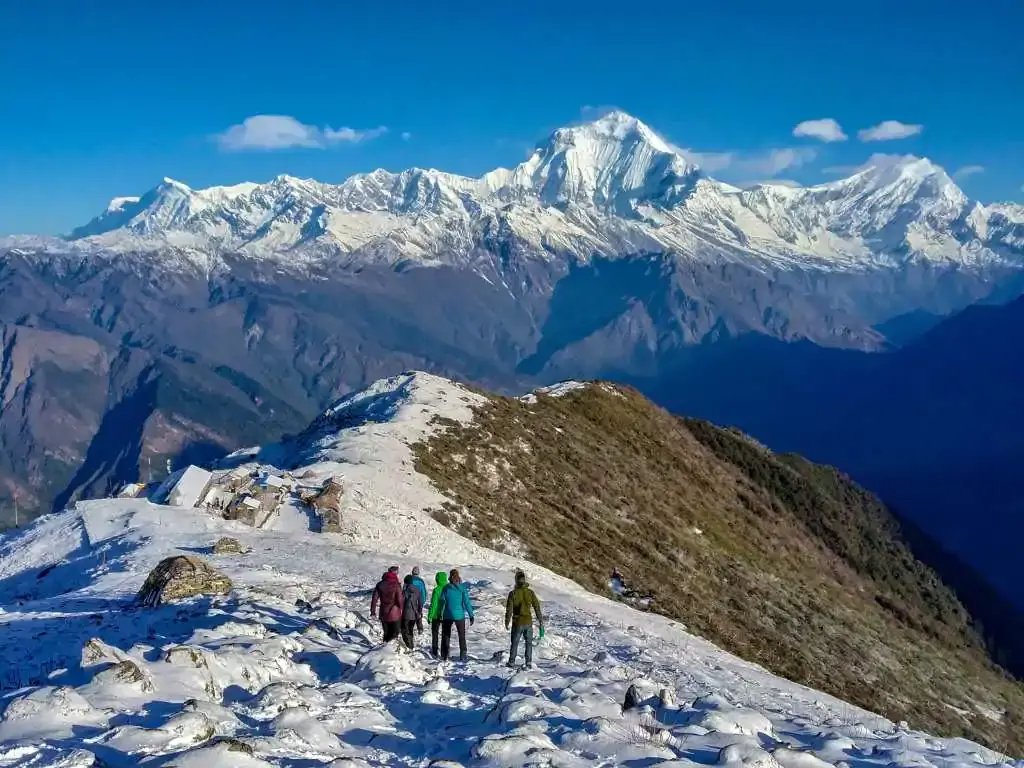
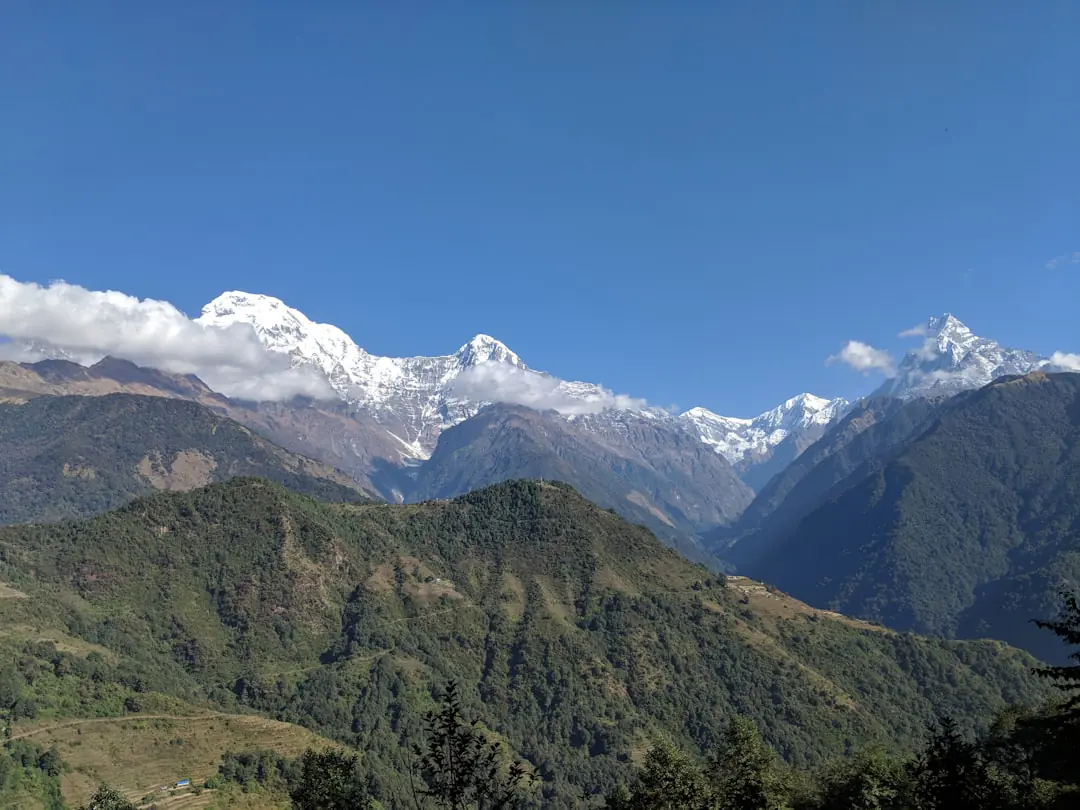
The Mardi Himal and Khopra Ridge Trek combines two of the Annapurna region’s most rewarding off-the-beaten-path trails into one diverse Himalayan journey. Instead of following the crowded classic routes, this trek explores quiet forest paths, remote ridge-top lodges, and traditional mountain villages while delivering constant views of some of Nepal’s most iconic peaks.
The adventure begins near Pokhara, gradually climbing through lush hillsides and dense forests of rhododendron, oak, and maple. As you ascend the Mardi Himal ridge, the trail narrows along open alpine slopes where the massive pyramid of Machhapuchhre (Fishtail) dominates the skyline. From High Camp and the viewpoint above, the mountains feel incredibly close, with Annapurna South, Hiunchuli, and Mardi Himal rising dramatically above the valley.
After reaching Mardi Himal Base Camp (4,500 m), the trek descends through traditional Gurung settlements before continuing toward the quieter Khopra region. This section introduces a completely different landscape—wide alpine ridges, peaceful villages, and dramatic views over the Kali Gandaki Valley toward the towering massifs of Annapurna and Dhaulagiri.
The highlight of the second half is Khopra Danda (3,660 m), a spectacular viewpoint known for its sweeping Himalayan panorama. Many trekkers also take an optional day hike to the sacred Khayer Lake, a remote glacial lake revered by local communities and surrounded by rugged alpine terrain.
This combined trek is perfect for travelers who want a quieter Annapurna experience while still enjoying dramatic mountain scenery and authentic cultural encounters. Along the route you’ll stay in welcoming tea houses, share meals with local hosts, and walk through landscapes that shift from subtropical forests to high alpine ridges.
Kathmandu to Pokhara (1,400m/4,593 ft)
Drive from Pokhara to Kande and trek to Deurali (822m/2,697 ft)
Trek from Deurali to Low Camp (822m/2,697 ft)
Trek from Low Camp to High Camp (822m/2,697 ft)
Trek to Mardi Himal Base Camp and back to High Camp (822m/2,697 ft)
Trek from High Camp to Landruk (822m/2,697 ft)
Trek from Landruk to Tadapani (822m/2,697 ft)
Trek from Tadapani to Dobato (822m/2,697 ft)
Trek from Dobato to Khopra Ridge (822m/2,697 ft)
Trek from Khopra Ridge to Swanta (822m/2,697 ft)
Trek from Swanta to Ghorepani (822m/2,697 ft)
Trek to Poon Hill and then drive back to Pokhara. (822m/2,697 ft)
Drive to Kathmandu (1,400m/4,593 ft)
Final Departure (1,400m/4,593 ft)
This itinerary is customizable. If you want to modify any aspect of this trip, let us know and we'll create a personalized itinerary just for you.
CUSTOMIZE MY TRIPThe most favorable seasons for the Mardi Himal and Khopra Ridge Trek are spring (March–May) and autumn (September–November). Spring brings blooming rhododendron forests and mild temperatures, while autumn offers crystal-clear mountain views and stable weather. Winter trekking is possible but colder at higher elevations, and summer months bring monsoon rains and slippery trails.
Trekkers need two permits for this route: the Annapurna Conservation Area Permit (ACAP) and the TIMS (Trekkers’ Information Management System) card. These permits support conservation efforts and ensure proper tracking of trekkers within the region.
This trek is graded as moderate. Expect daily hikes of 5–7 hours with steady ascents and descents along forest trails and ridge paths. Previous trekking experience is helpful but not mandatory. Regular cardio exercise and hill walking prior to the trek will make the journey more enjoyable.
Most travelers can obtain a Nepal tourist visa on arrival at Tribhuvan International Airport in Kathmandu. Visas are typically issued for 15, 30, or 90 days. Make sure your passport is valid for at least six months and bring passport photos for the application process.
The trek spans elevations from around 800 meters to 4,500 meters, so temperatures vary widely. Lower villages are warm and humid, while high camps can drop below freezing at night. Clear mornings are common in spring and autumn, offering the best chances for uninterrupted mountain views.
Here's a recommended packing list for your trek. Some items can be rented or purchased in Kathmandu or at the trailhead.