Didn't find the perfect trip?
Let us craft a tailor-made adventure just for you.
Associated With


Let us craft a tailor-made adventure just for you.
Associated With

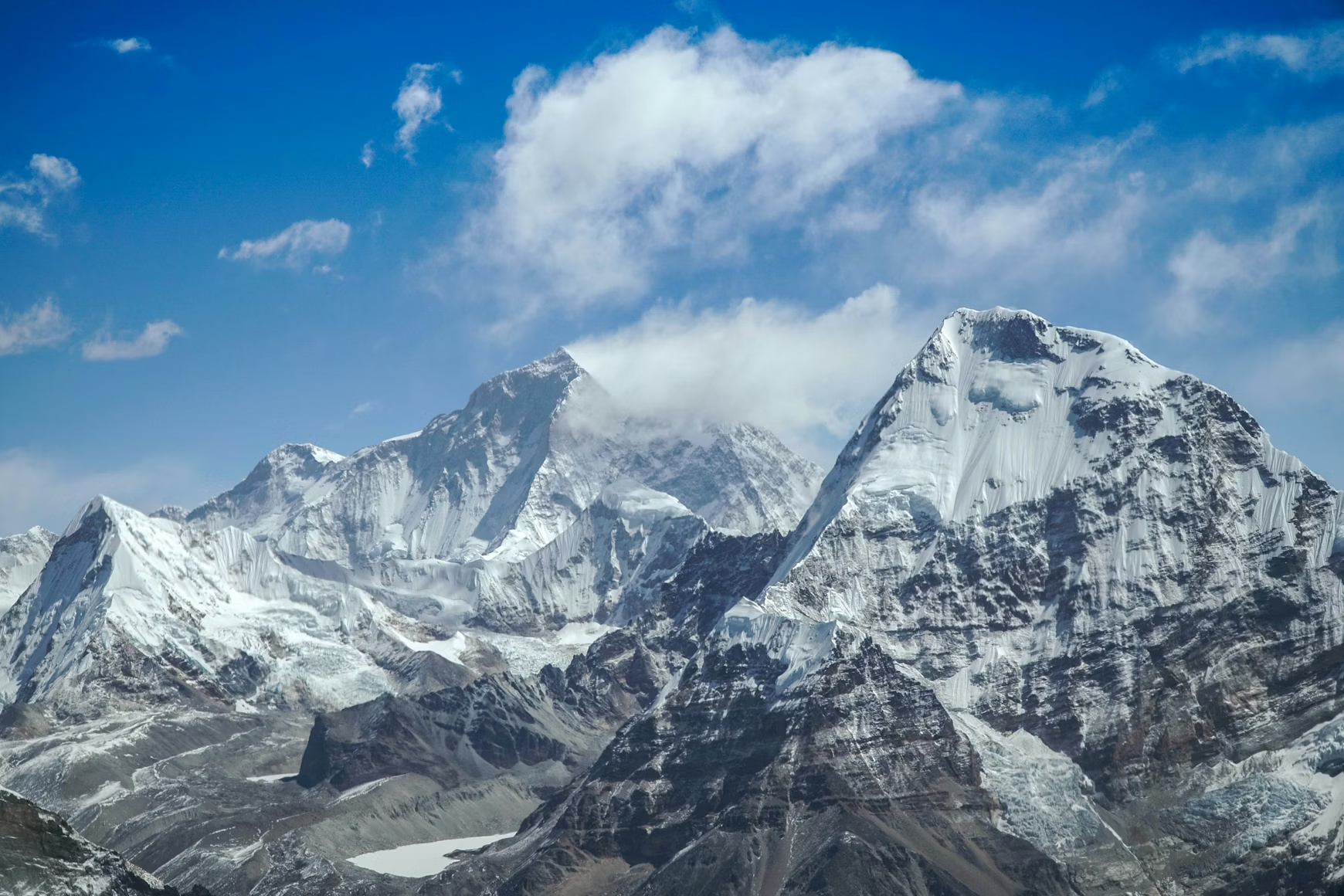
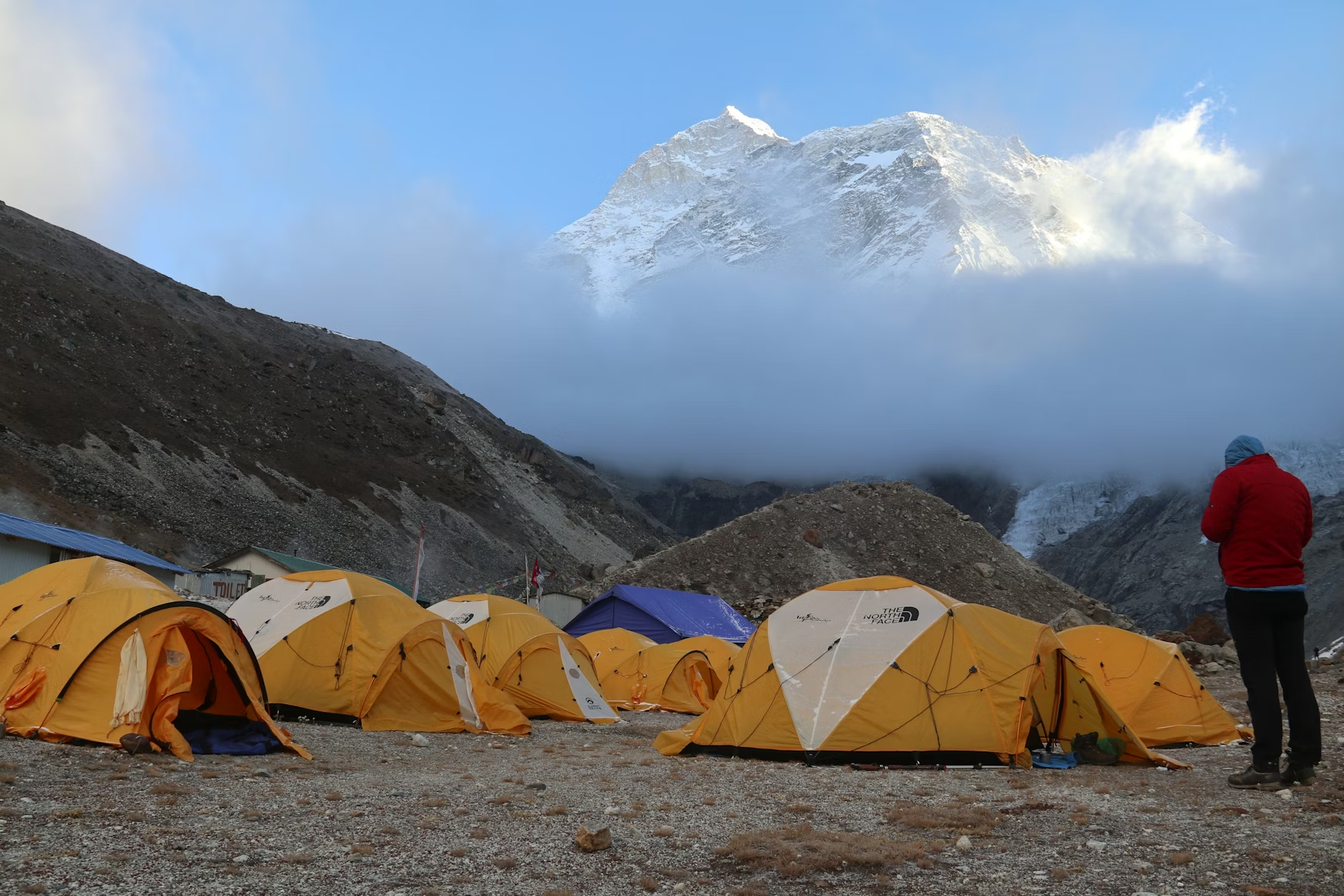
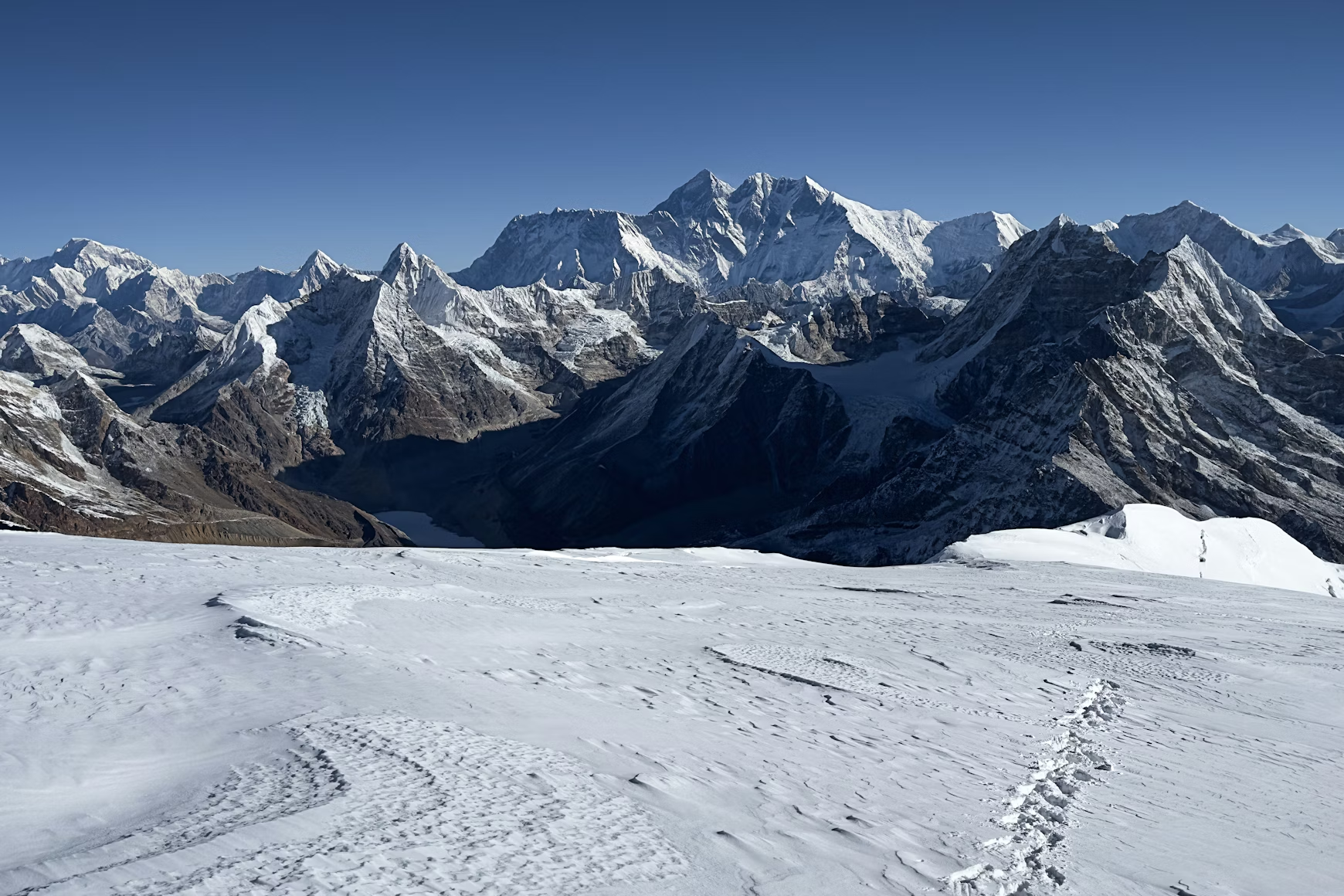
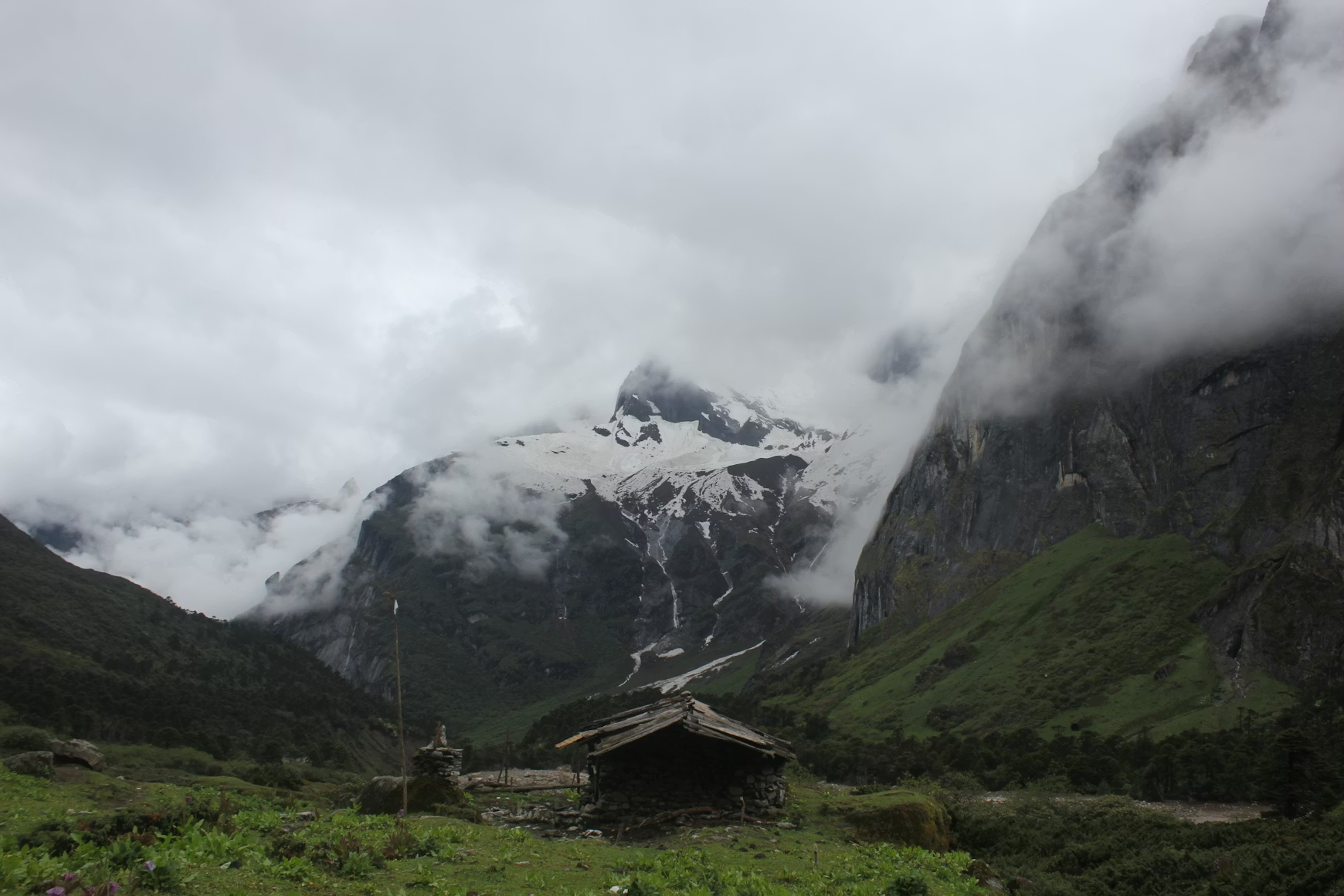
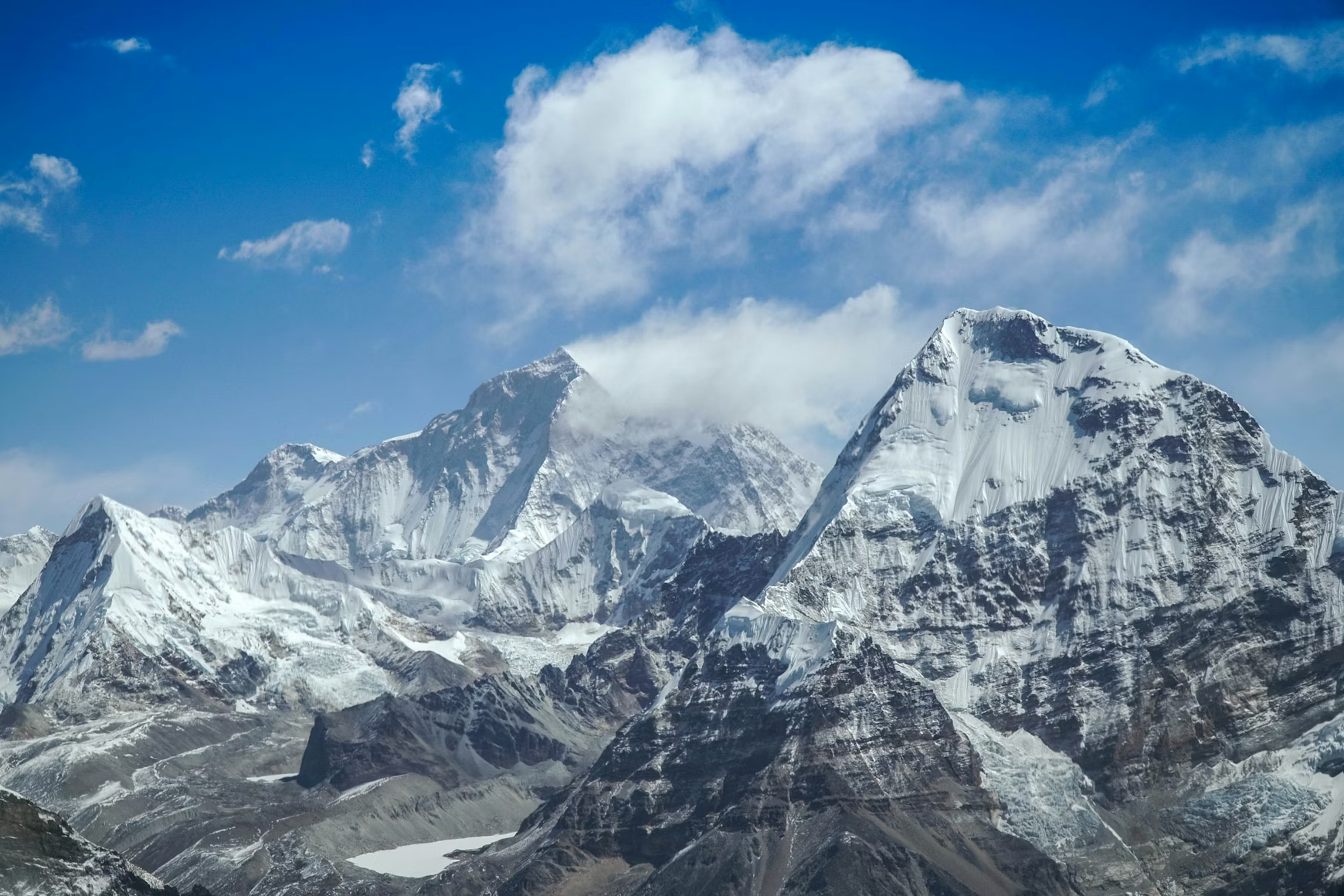
The Makalu Base Camp Trek is one of Nepal’s most remote and rewarding Himalayan journeys. Leading deep into the eastern Himalaya, this trek takes you to the foot of Mount Makalu (8,463m), the fifth-highest mountain on Earth. Unlike the more crowded routes in Everest or Annapurna, Makalu remains wild and quiet, offering trekkers an authentic experience surrounded by untouched landscapes and traditional mountain culture.
The adventure begins with a scenic flight from Kathmandu to Tumlingtar, followed by a drive to the hillside village of Num. From here, the trail descends into the Arun River valley before gradually climbing through terraced hillsides, bamboo forests, and rhododendron woodland. As the trek progresses, the landscape transforms dramatically—from lush subtropical forests to high alpine meadows and rugged glacial terrain.
The route follows the spectacular Barun Valley within Makalu Barun National Park, one of the most biologically diverse protected areas in the Himalayas. Trekkers may encounter rare wildlife such as red pandas, Himalayan black bears, musk deer, and countless bird species. During spring, the hillsides bloom with vibrant rhododendrons, while autumn offers crystal-clear mountain views.
Higher on the trail, the scenery becomes increasingly dramatic. Crossing high ridges such as Shipton La and Keke La reveals sweeping views of Makalu, Chamlang, Baruntse, and other towering Himalayan giants. Finally, the path reaches Makalu Base Camp at 4,870 meters, where trekkers stand beneath immense ice walls and glaciers while gazing across a panorama of some of the Himalaya’s most impressive peaks.
Because of its remote setting and demanding terrain, the Makalu Base Camp Trek is best suited for trekkers with good fitness and a spirit of adventure. The rewards, however, are exceptional: solitude, raw Himalayan wilderness, dramatic landscapes, and a deep sense of exploration that few trekking routes can match.
Arrival in the city of Temples, i.e., Kathmandu (1,300m/4,265 ft)
Spare day in Kathmandu (sightseeing and preparation) (1,300m/4,265 ft)
Fly to Tumlingtar and drive to the start line of the trek, Chichila (1,980 m)
Trek to Num (1,980m/6,496 ft)
Trek to Seduwa via the Arun River (1,500 m) 6-7 hours
Trek to Tashigaon (2,100m/6,890 ft)
Trek to KhongmaDanda (2,867m/9,406 ft)
Acclimatization day in KhongmaDanda (3,890m/12,762 ft)
Trek to Dobate via Shipton La (3,890m/12,762 ft)
Trek to YangleKharka following the Barun River upstream (3,557m/11,670 ft)
Trek to LangmaleKharka (4,410m/14,469 ft)
Acclimatization day at LangmaleKharka (4,410m/14,469 ft)
Trek to Makalu Base camp (4,900m/16,076 ft)
Day walk around Makalu Base Camp (5,300m/17,388 ft)
Begin return trip; trek to YangleKharka (3,600m/11,811 ft)
Trek to Dobate (3,650m/11,975 ft)
Trek to KhongmaDanda (4,200m/13,780 ft)
Trek to Tashigaon (4,200m/13,780 ft)
Trek to Seduwa (4,200m/13,780 ft)
Trek to Num (800m/2,625 ft)
Drive to Tumlingtar (51 km) (800m/2,625 ft)
Fly to Kathmandu (1,400m/4,593 ft)
Depart Kathmandu (1,400m/4,593 ft)
This itinerary is customizable. If you want to modify any aspect of this trip, let us know and we'll create a personalized itinerary just for you.
CUSTOMIZE MY TRIPThe most favorable seasons for the Makalu Base Camp Trek are spring (March to May) and autumn (September to November). During spring the forests bloom with colorful rhododendrons and temperatures are moderate. Autumn provides the clearest skies and excellent mountain views after the monsoon season.
Trekking in this region requires entry permits for Makalu Barun National Park and a TIMS trekking card. These permits support conservation efforts and ensure safe trekking in this remote area.
This is considered a strenuous Himalayan trek. Daily walking can range from five to seven hours on steep and rugged trails. Previous trekking experience is helpful, and trekkers should be comfortable hiking for multiple days at high altitude.
Most travelers can obtain a Nepal tourist visa on arrival at Kathmandu International Airport. Visitors should bring a valid passport with at least six months validity and passport-size photos.
The Makalu region features a wide range of climates due to dramatic elevation changes. Lower valleys are warm and humid, while higher elevations experience cold alpine conditions. Temperatures near base camp can drop below freezing, particularly at night.
Here's a recommended packing list for your trek. Some items can be rented or purchased in Kathmandu or at the trailhead.