Didn't find the perfect trip?
Let us craft a tailor-made adventure just for you.
Associated With


Let us craft a tailor-made adventure just for you.
Associated With

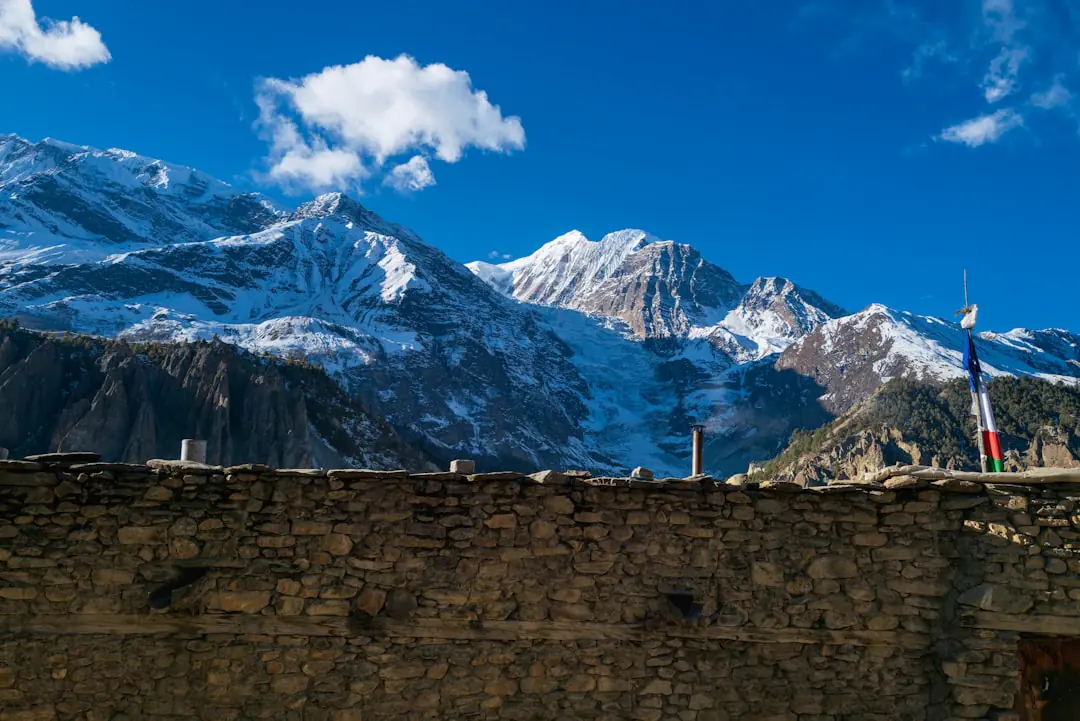
The Lumba Sumba Pass Trek is one of Nepal’s most remote and rewarding trekking adventures, traversing a hidden corridor between the Kanchenjunga and Makalu regions in eastern Nepal. Officially opened to trekkers only in recent years, this route remains largely untouched, offering a rare chance to experience pristine Himalayan landscapes far from crowded trails.
This journey unfolds through lush subtropical valleys, dense forests, alpine meadows, and high glacial terrain before reaching the dramatic crossing of Lumba Sumba Pass (5,177 meters). From the pass, sweeping views stretch across some of the world’s most impressive Himalayan peaks including Makalu, Kanchenjunga, Everest, Lhotse, Jannu, Chamlang, Baruntse, and Yalung Kang.
Beyond the scenery, the trek is equally rich in cultural encounters. The eastern hills are home to diverse communities such as the Limbu, Rai, Sherpa, Tamang, and Lepcha people. Traditional villages along the route provide insight into Himalayan lifestyles shaped by trade, agriculture, and centuries of mountain heritage.
The trail also passes through two remarkable protected areas: the Kanchenjunga Conservation Area and Makalu Barun National Park. These regions shelter an impressive range of wildlife and ecosystems, from rhododendron forests to alpine tundra. Trekkers may encounter rare Himalayan species such as red pandas, blue sheep, and numerous mountain birds.
Part of the broader Great Himalayan Trail (GHT), the Lumba Sumba Pass Trek demands strong fitness and a spirit of exploration. Days are filled with steady ascents, remote settlements, and dramatic mountain scenery. In return, trekkers are rewarded with a deeply authentic Himalayan journey where silence, wilderness, and cultural richness define the experience.
For trekkers seeking a challenging off-the-beaten-path adventure, the Lumba Sumba Pass route offers a powerful blend of solitude, culture, and high mountain drama in one of Nepal’s least explored trekking corridors.
Arrival in Kathmandu (1,360m/4,462 ft)
Sightseeing the Kathmandu City and Trek Preparation Tour (1,360m/4,462 ft) 5-7 hours
Fly from Kathmandu to Bhadrapur(91 m/298 ft) (45 minutes) and Drive to Illam 4/ 5 hours
Drive from Illam to Taplejung () (1,820m/5,971 ft) 5 hours
Drive to Chirwa () And trek to Sekthum 5/6 hrs (1,585m/5,200 ft) 3-4 hours
Trek from Sekhtum to Amjilosa 5/ (2,510m/8,235 ft) 6 hours
Trek from Amjilosa to Gyabla 6/ (2,730m/8,957 ft) 7 hours
Trek from Gyabla to Ghunsa 6/ (3,595m/11,795 ft) 7 hours
Acclimatization day in Ghunsa; Explore Tibetan Village Ghunsha Lake (4,000m/13,123 ft)
Trek from Ghunsa to Kambachen 5/ (4,050m/13,287 ft) 6 hours
Side trip to Jannu Himal Base Camp (4,500m/14,764 ft) 7 hours
Trek from Kambachen to Lhonak (4,785m/15,699 ft) 5 hours
Trek to Kanchenjunga North Base Camp and Back to Lhonak (4785m/15698 ft) 8 hours
Trek from Lhonak to Ghunsa (3,595m/11,795 ft) 7 hours
Trek from Gunsa to Nangala High Camp 4160m/13648 ft) 4/ 5 hours
Trek from Nangala High Camp to Yangma Khola 3406/11165 ft) (3,406m/11,175 ft) 6 hours
Trek from Yangma Khola to Olangchun Gola (3208/10525 ft) 6/ (3,208m/10,525 ft) 7 hours
Acclimatization day in Olangchun Gola (3208/10525 ft) (3,208m/10,525 ft)
Trek from Olangchun Gola to Kharka 6/ (4,010m/13,156 ft) 7 hours
Trek from Kharka to Camp Pass (4,700m/15,420 ft) 5 hours
Trek from Camp Pass to Yak Kharka Via Lumba Sumba Pass (5177m/16984 ft) 7/ 8 hours
Trek from Yak Kharka to Jungle Camp 6/ (3,350m/10,991 ft) 7 hours
Trek From Jungle Camp to Yak Kharka 5/ (2,870m/9,416 ft) 6 hours
Trek from Yak Kharka to Linggam 5/ (2,250m/7,382 ft) 6 hours
Trek from Linggam to Hatiya 5/ (1,595m/5,233 ft) 6 hours
Drive to Tumlingtar (450m/1476ft) 8/ 9 hours
Flight to Kathmandu 40 mins (1,360m/4,462 ft)
Final Departure (1,360m/4,462 ft)
This itinerary is customizable. If you want to modify any aspect of this trip, let us know and we'll create a personalized itinerary just for you.
CUSTOMIZE MY TRIPThe best seasons for the Lumba Sumba Pass Trek are spring (March to May) and autumn (September to November). During these months the weather is stable, mountain views are clear, and trekking conditions are ideal. Spring brings blooming rhododendron forests while autumn offers crisp air and excellent visibility across the Himalayan ranges.
Trekking this route requires several permits including the Kanchenjunga Conservation Area Permit (KCAP), Makalu Barun National Park Permit, and a restricted area permit for sections of the Lumba Sumba corridor. Trekkers must travel with a registered guide through a licensed trekking agency.
This trek is classified as strenuous. It involves long trekking days, remote terrain, and the crossing of a high Himalayan pass above 5,000 meters. Previous trekking experience and good cardiovascular fitness are highly recommended.
Most travelers can obtain a Nepal tourist visa on arrival at Kathmandu International Airport. Visitors should carry a valid passport, passport photos, and the required visa fee. Always check current visa policies before travel.
The trek spans multiple climatic zones from subtropical valleys to alpine terrain. Lower regions are warm and humid, while higher elevations experience colder temperatures and occasional snowfall. Nights near the pass can drop well below freezing.
Here's a recommended packing list for your trek. Some items can be rented or purchased in Kathmandu or at the trailhead.