Didn't find the perfect trip?
Let us craft a tailor-made adventure just for you.
Associated With


Let us craft a tailor-made adventure just for you.
Associated With

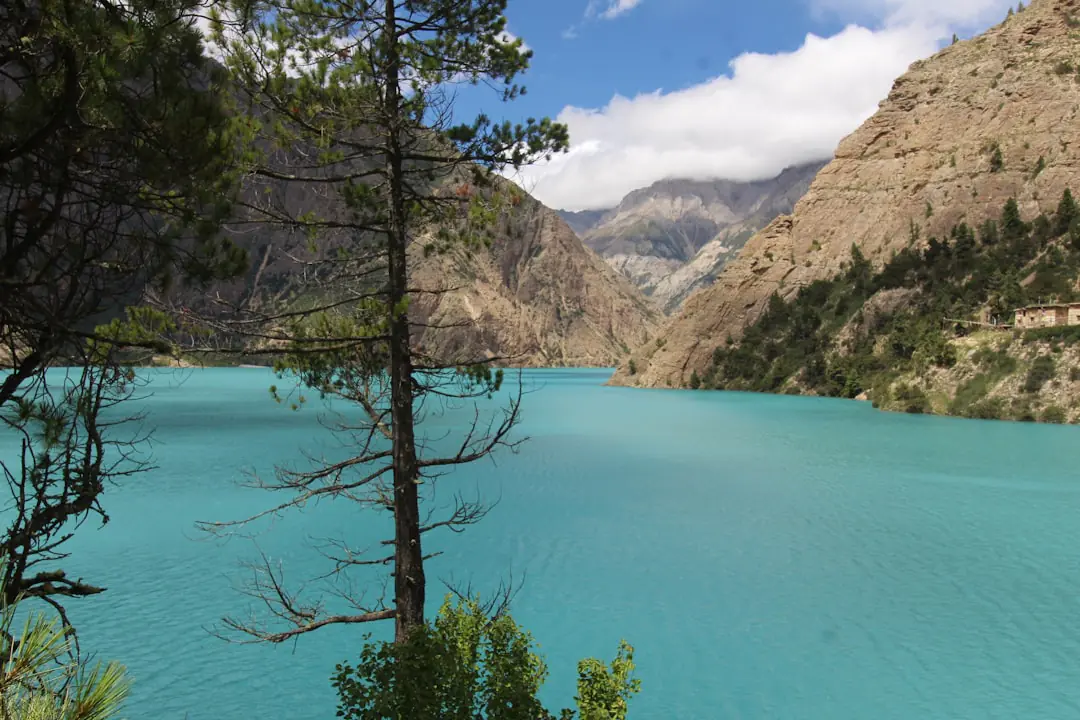
The Lower Dolpo Trek is one of Nepal’s most remote and culturally fascinating journeys, taking trekkers deep into the trans‑Himalayan landscapes of the Dolpa district in western Nepal. Isolated behind the Dhaulagiri massif and bordering the Tibetan plateau, this region remained closed to outsiders until the late 20th century and still receives very few visitors compared with Nepal’s more popular trekking areas.
This adventure leads through the vast wilderness of Shey Phoksundo National Park, Nepal’s largest protected area. The trail winds across arid ridges, juniper forests, dramatic gorges, and high alpine passes while revealing spectacular views of peaks such as Dhaulagiri, Kanjirowa Himal, and other Tibetan‑border ranges. The highlight for many trekkers is the striking turquoise water of Phoksundo Lake, one of the deepest and most beautiful lakes in the Himalaya.
Beyond the landscapes, Dolpo offers a rare glimpse into ancient Himalayan cultures. Villages here preserve traditions closely linked to Tibetan heritage, and many communities continue to follow the Bon religion, a spiritual tradition older than Tibetan Buddhism. Along the route you will encounter centuries‑old monasteries, stone mani walls, prayer flags, and pastoral settlements where life moves to the rhythm of the high mountains.
The trek is physically demanding due to the altitude, remoteness, and rugged terrain. The route crosses several high passes, including Kangmara La, Baga La, and Numa La, each offering wide views across Dolpo’s colorful barren hills and distant snow peaks. Trails are quieter than most trekking regions, giving a strong sense of exploration and wilderness.
Beginning with flights from Kathmandu to Nepalgunj and onward to Juphal, the journey follows ancient trade routes once used by salt caravans moving between Tibet and Nepal. Over the course of the trek, trekkers experience an extraordinary mix of landscapes: fertile valleys, high desert plateaus, glacial rivers, and dramatic cliffside paths.
For trekkers seeking a truly off‑the‑beaten‑path Himalayan adventure with rich culture and striking scenery, the Lower Dolpo Trek delivers a rare and rewarding expedition.
Arrival at Kathmandu (1,300m/4,265 ft)
Sightseeing at Kathmandu (1,300m/4,265 ft)
Fly from Kathmandu to Nepalgunj (150m)
Fly to Jhupal (2475m)
Trek to Tarakot (2540m)
Trek to Laina Odar (3370m)
Trek to Nawarpani (3,780m)
Trek to Dho Tarap (3944m)
Acclimatization day at Dho Tarap (3,950m/12,959 ft)
Trek to Numala Basecamp (4,440m)
Trek to Numa La pass- (5,309m) and overnight at Danigar (4,512m)
Trek kto Timche- (3,995m) via Bagala Pass (5169m)
Trek to Ringmo Gaun (3,641m)
Explore Shey-Phoksundo Lake(3,600m)
Trek to Chhepka (2,678m)
Trek to Jhupal 2,475m
Fly back to Kathmandu via flight from Nepalgunj (2,499m/8,199 ft)
Departure day (2,499m/8,199 ft)
This itinerary is customizable. If you want to modify any aspect of this trip, let us know and we'll create a personalized itinerary just for you.
CUSTOMIZE MY TRIPThe best seasons for the Lower Dolpo Trek are late spring (May to June) and autumn (September to October). During these months the skies are generally clear and the mountain views are sharp. Dolpo lies in a rain‑shadow region of the Himalaya, which means it receives less monsoon rainfall than other trekking areas.
Lower Dolpo is a restricted trekking region. Trekkers must obtain a Lower Dolpo Restricted Area Permit along with an entry permit for Shey Phoksundo National Park. Trekkers must also travel with a registered guide through a licensed trekking agency.
This trek is considered strenuous due to long trekking days, remote conditions, and several high passes above 5000 meters. Good physical conditioning, previous trekking experience, and proper acclimatization are strongly recommended.
Travelers can obtain a Nepal visa upon arrival at Kathmandu International Airport or apply in advance through a Nepalese embassy. Ensure your passport is valid for at least six months beyond your travel dates.
Dolpo has a dry trans‑Himalayan climate similar to the Tibetan plateau. Days can be sunny and warm while nights become cold, especially at higher elevations. Temperatures drop significantly above 4000 meters.
Here's a recommended packing list for your trek. Some items can be rented or purchased in Kathmandu or at the trailhead.