Didn't find the perfect trip?
Let us craft a tailor-made adventure just for you.
Associated With


Let us craft a tailor-made adventure just for you.
Associated With

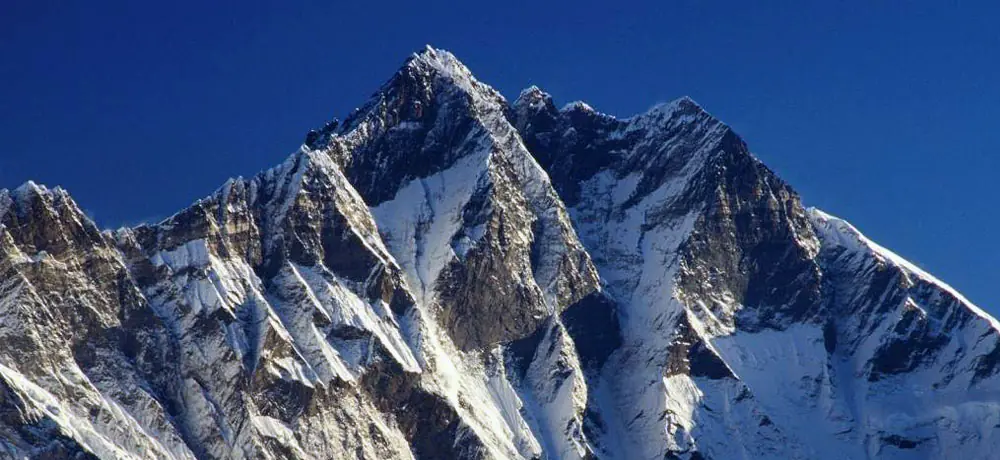
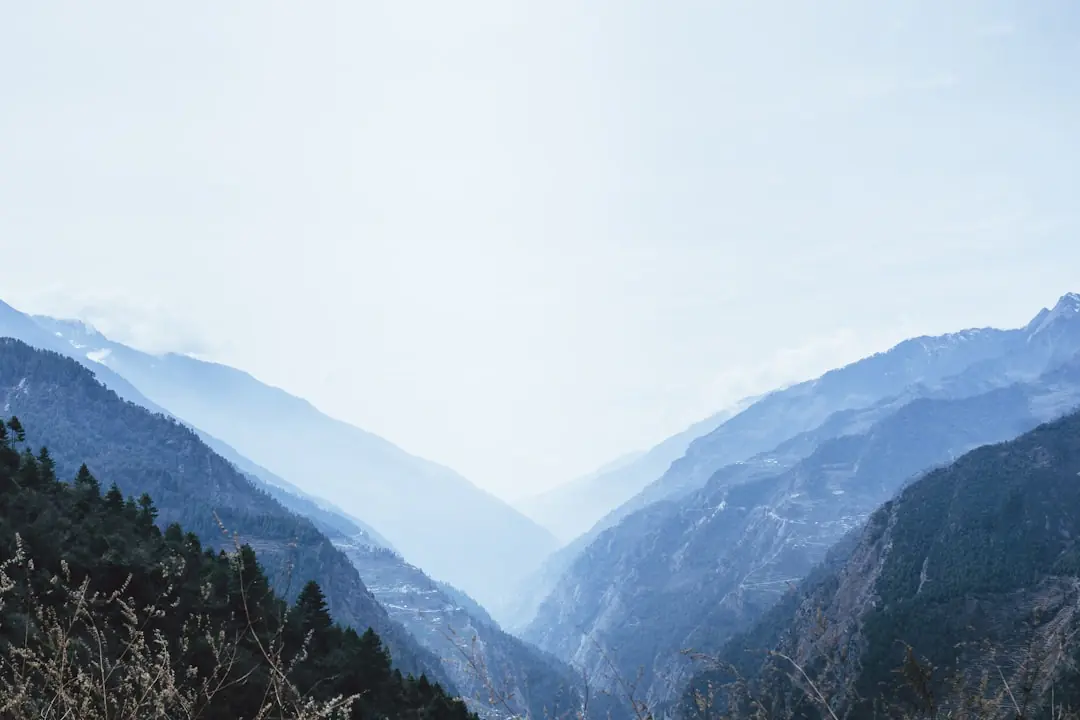
The Lhotse Expedition (8,516 m) is one of the most prestigious high‑altitude climbing objectives in the Himalayas. Standing immediately south of Mount Everest, Lhotse forms a dramatic wall of ice and rock above the Khumbu Glacier. Although it shares much of the Everest approach route, the final section to the summit diverges onto a steep couloir that demands strong technical skills, endurance, and careful acclimatization.
The expedition begins in Kathmandu with preparation and permit formalities before flying to Lukla and trekking through the famous Sherpa villages of the Khumbu region. Along the trail you pass through Namche Bazaar, Tengboche Monastery, and the high alpine settlements of Pheriche and Lobuche before reaching Everest Base Camp, which also serves as the operational base for the Lhotse climb.
After establishing base camp, climbers spend several weeks conducting acclimatization rotations through the higher camps on the Lhotse Face. These rotations help the body adapt to the thin air while preparing equipment and routes for the summit push. Climbers ascend via the Khumbu Icefall and Western Cwm, progressing through Camps I, II, III, and IV before tackling the steep Lhotse Couloir that leads to the summit ridge.
From the top, the panorama spans the highest mountains on Earth: Everest towering nearby, Makalu to the east, and a sea of Himalayan peaks stretching into Tibet. Reaching the summit of Lhotse is considered a remarkable achievement in elite mountaineering, requiring teamwork, careful logistics, and unwavering determination.
This expedition is designed for experienced climbers seeking a serious Himalayan objective. With expert guides, structured acclimatization, and strong logistical support, the Lhotse Expedition offers the opportunity to test your limits on one of the most iconic peaks in the world.
Arrival in Kathmandu (1,400m/4,593 ft) Arrival day
Kathmandu Preparation Day (1,400m/4,593 ft) 4-5 hours activities
Expedition Briefing and Final Preparation (1,400m/4,593 ft) 3-4 hours
Fly to Lukla and Trek to Phakding (2,640m/8,661 ft) 3-4 hours
Trek to Namche Bazaar (3,446m/11,306 ft) 5-6 hours
Acclimatization Day in Namche (3,446m/11,306 ft) 3-4 hours
Trek to Tengboche (3,867m/12,687 ft) 5-6 hours
Trek to Pheriche (4,243m/13,921 ft) 5-6 hours
Trek to Lobuche (4,930m/16,175 ft) 5 hours
Trek to Everest Base Camp / Lhotse Base Camp (5,400m/17,717 ft) 4-5 hours
Base Camp Training and Preparation (5,400m/17,717 ft) Training day
This itinerary is customizable. If you want to modify any aspect of this trip, let us know and we'll create a personalized itinerary just for you.
CUSTOMIZE MY TRIPThe best seasons for the Lhotse Expedition are spring (March–May) and autumn (September–November). Spring is the most popular period due to more stable weather and warmer temperatures at high camps. Autumn offers clearer skies but colder conditions.
Climbers require a Lhotse expedition permit issued by the Nepal government, along with Sagarmatha National Park entry permits and local municipality fees. These documents are normally arranged by the expedition operator.
This expedition is rated extreme and is intended for experienced mountaineers. Participants should have previous experience above 6,000–7,000 meters, strong technical climbing ability, and excellent cardiovascular endurance.
Most travelers can obtain a Nepal tourist visa on arrival at Kathmandu International Airport. Ensure your passport is valid for at least six months and bring passport photos and visa fees in cash.
Conditions on Lhotse are extremely cold and unpredictable. Temperatures at high camps can drop below -30°C. Strong winds and sudden storms are possible, so expedition timing and acclimatization schedules remain flexible.
Here's a recommended packing list for your trek. Some items can be rented or purchased in Kathmandu or at the trailhead.