Didn't find the perfect trip?
Let us craft a tailor-made adventure just for you.
Associated With


Let us craft a tailor-made adventure just for you.
Associated With

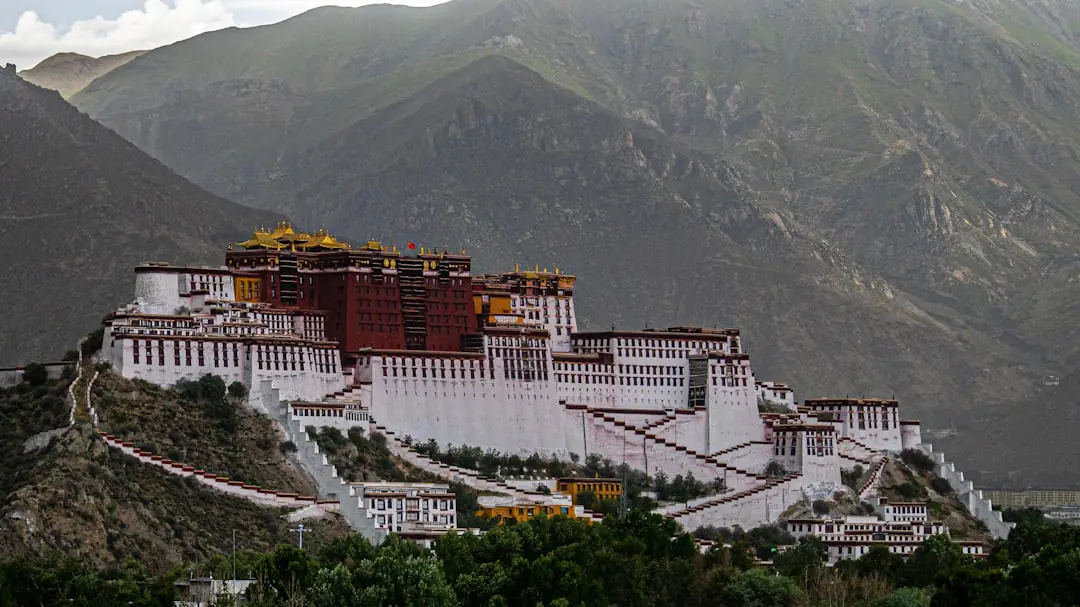
The Lhasa Tibet Cultural Tour is an unforgettable journey from Nepal across the high Himalayas into the spiritual heart of Tibet. This 12‑day adventure blends Himalayan scenery, ancient Buddhist culture, and one of the world’s most legendary road journeys. From the moment you cross the mountains into Tibet, the landscape changes dramatically—vast open plateaus, turquoise lakes, snow‑covered peaks, and centuries‑old monasteries scattered across the high desert.
Your journey begins in Kathmandu before flying across the Himalayas to Lhasa, the historic capital of Tibet. Sitting at around 3,650 meters above sea level, Lhasa has long been a center of Tibetan Buddhism and culture. Over several days you will explore its most important landmarks, including the magnificent Potala Palace, once the residence of the Dalai Lama, the sacred Jokhang Temple, and the lively Barkhor Market where pilgrims circle the temple in a continuous prayer ritual.
The tour also introduces you to Tibet’s renowned monastic traditions. Visits to Sera Monastery and Drepung Monastery reveal the daily life of Tibetan monks and the philosophical debates that have been practiced here for centuries.
Leaving Lhasa, the journey continues across the spectacular Friendship Highway, one of the most scenic roads in Asia. The route travels through Gyantse and Shigatse, historic towns filled with impressive monasteries and fortresses. Along the way you pass shimmering high‑altitude lakes, yak‑grazing grasslands, and dramatic mountain passes with views of some of the Himalayas’ highest peaks.
One of the highlights of the trip is the panoramic view of Mount Everest from the Tibetan side, along with vistas of other Himalayan giants. The road journey through the plateau offers a rare look at traditional Tibetan villages, nomadic culture, and vast landscapes that feel untouched by time.
Combining cultural discovery with spectacular Himalayan scenery, this Lhasa tour is ideal for travelers seeking a deeper understanding of Tibet’s history, spirituality, and dramatic geography while enjoying comfortable hotels and guided sightseeing throughout the journey.
Arrival in Kathmandu (1,400m/4,593 ft) 30 minutes
Kathmandu Sightseeing and Trip Preparation (1,400m/4,593 ft) 4-5 hours
Fly from Kathmandu to Lhasa (3,650m/11,975 ft) 1 hour flight
Acclimatization and Lhasa Orientation (3,650m/11,975 ft) 3-4 hours
Visit Potala Palace and Jokhang Temple (3,650m/11,975 ft) 5 hours
Explore Drepung and Sera Monasteries (3,650m/11,975 ft) 5-6 hours
Drive from Lhasa to Gyantse via Yamdrok Lake (3,950m/12,959 ft) 7 hours
Drive from Gyantse to Shigatse (3,840m/12,598 ft) 3-4 hours
Drive from Shigatse to Everest Viewpoint (4,300m/14,108 ft) 7-8 hours
Drive Toward Kerung near Nepal Border (2,700m/8,858 ft) 7 hours
Cross Border and Drive to Kathmandu (1,400m/4,593 ft) 7-8 hours
Final Departure (1,400m/4,593 ft) 30 minutes
This itinerary is customizable. If you want to modify any aspect of this trip, let us know and we'll create a personalized itinerary just for you.
CUSTOMIZE MY TRIPThe most favorable seasons for a Lhasa tour are spring (April to June) and autumn (September to November). During these months the Tibetan Plateau enjoys clear skies, comfortable temperatures, and excellent visibility of the Himalayan mountains. Summer can also be pleasant but may bring occasional rain, while winters are cold yet offer fewer crowds and crystal‑clear mountain views.
Traveling to Tibet requires special permits issued by the Chinese authorities. Visitors must obtain a Tibet Travel Permit before entering the region. Additional permits may be required for certain areas. These documents are arranged through a registered travel agency and must be carried throughout the journey.
This is primarily a cultural and overland tour rather than a strenuous trek. However, travelers should be comfortable with high altitudes above 3,500 meters and occasional short walks around monasteries and towns. A moderate level of general fitness and proper acclimatization are recommended.
All travelers must obtain a Chinese visa and a Tibet Travel Permit before entering Tibet. The visa is normally arranged in coordination with the Tibet permit process through authorized travel agencies in Nepal or China.
Tibet sits on a high plateau, so the climate is dry and temperatures can fluctuate significantly between day and night. Days are often sunny and mild, while evenings can be cold even during warmer seasons. Strong sunlight and thin air are common at high altitude, making sun protection and hydration important.
Here's a recommended packing list for your trek. Some items can be rented or purchased in Kathmandu or at the trailhead.