Didn't find the perfect trip?
Let us craft a tailor-made adventure just for you.
Associated With


Let us craft a tailor-made adventure just for you.
Associated With

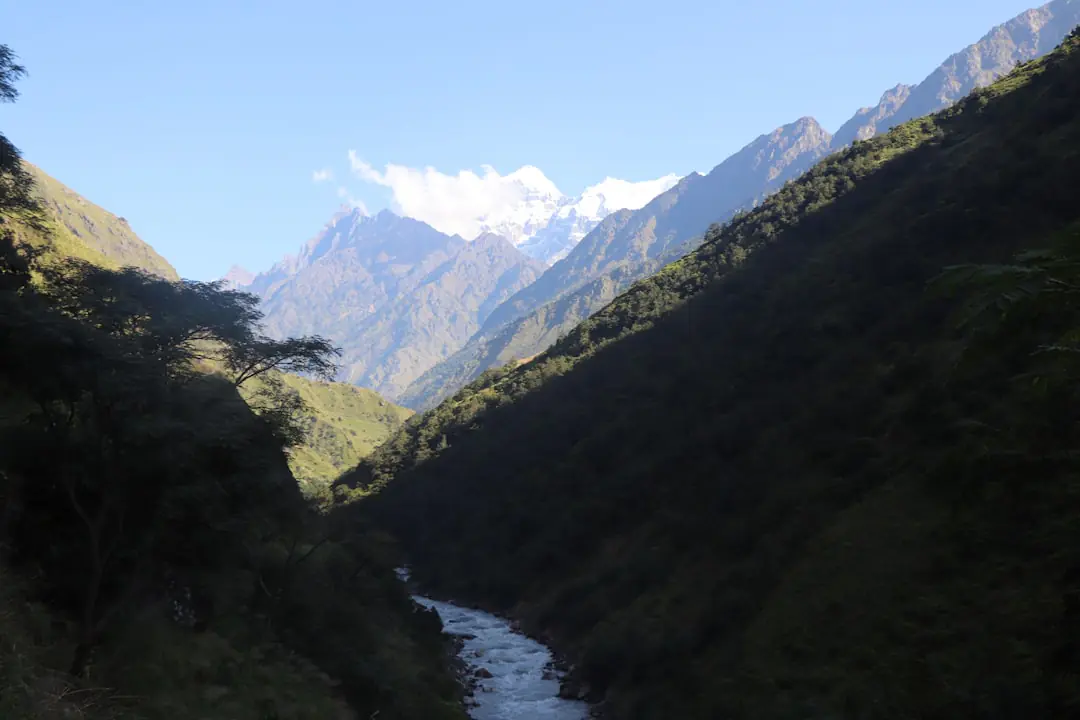
The Kailash Mansarovar Yatra via Simikot is one of the most traditional and spiritually meaningful approaches to Mount Kailash. This route travels through the remote Humla region of western Nepal before crossing into the Tibetan plateau, blending scenic Himalayan trekking with a profound pilgrimage experience. For centuries, pilgrims from the Indian subcontinent and beyond have followed similar trails toward the sacred mountain believed to be the dwelling place of Lord Shiva.
The journey begins in Kathmandu and continues with flights to Nepalgunj and the mountain airstrip of Simikot. From here, the trail descends through traditional Humla villages such as Dharapori and Kermi, where ancient monasteries, barley fields, and prayer flags reflect the region’s unique Tibetan-influenced culture. The path follows the Karnali River valley and climbs toward the high Himalayan border at Hilsa, offering dramatic views of rugged ridges and deep gorges.
After crossing into Tibet, the landscape transforms into vast high-altitude plateaus. Pilgrims travel toward the sacred Lake Mansarovar, a brilliant turquoise lake at the foot of Mount Kailash. Bathing in its icy waters is believed to purify the soul and wash away past sins, making it one of the holiest experiences for Hindu, Buddhist, Jain, and Bon followers.
The spiritual climax of the journey is the Kailash Parikrama (circumambulation of Mount Kailash). This three‑day trek circles the sacred mountain, passing monasteries, yak pastures, and glacier valleys. The route crosses the formidable Dolma La Pass (5630 m), the highest point of the pilgrimage, where colorful prayer flags flutter in the thin Himalayan air above the revered Gauri Kund lake.
Combining cultural discovery, challenging high‑altitude trekking, and deep spiritual significance, the Kailash Mansarovar Yatra via Simikot offers a rare journey through two Himalayan worlds—Nepal’s remote Humla valley and Tibet’s sacred plateau. For many pilgrims, reaching the shadow of Mount Kailash is not simply travel, but a deeply transformative experience.
Arrive in Kathmandu (1,400m/4,593 ft)
Sightseeing in Kathmandu along with visa and trip preparation (1,400m/4,593 ft)
Fly from Kathmandu to Nepalgunj (1,400m/4,593 ft)
Fly to Simikot and trek to Dharapori (2,400m/7,874 ft)
Trek from Dharapori to Kermi (2,860m/9,383 ft)
Trek from Kermi to Yalbang (2,879m/9,446 ft)
Trek from Yalbang to Tumkot (3,073m/10,082 ft)
Trek from Tumkot to Yari (3,663m/12,018 ft)
Trek from Yari to Hilsa via Nara La pass (4,620m/15,157 ft)
Trek from Hilsa to Purang (3,772m/12,375 ft)
Trek from Purang to Montser and sightseeing in Tirthapuri (4,510m/14,797 ft)
Sightseeing of Garuda Valley, then trekking to Darchen (4,560m/14,961 ft)
First day of Kora: Trek to DiraPuk Monasteries (5,120m/16,798 ft)
(Second day of Kora): Trek to Dzatul-puk. (5,750m/18,865 ft)
(Third day of Kora): Trek to Darchen and then to Manasarovar (4,590m/15,059 ft)
Sightseeing of the Mansarovar Lake (4,590m/15,059 ft)
Drive from Mansarovar to Saga (5,200m/17,060 ft)
Drive from Saga to Shigatse (5,200m/17,060 ft)
Drive from Shigatse to Lhasa (7,252m/23,793 ft)
Final Departure (7,252m/23,793 ft)
This itinerary is customizable. If you want to modify any aspect of this trip, let us know and we'll create a personalized itinerary just for you.
CUSTOMIZE MY TRIPThe most favorable months for the Kailash Mansarovar Yatra via Simikot are from May to September. During this period the weather across Humla and western Tibet is comparatively stable, with clearer skies and more manageable temperatures. Late spring and early autumn offer the best balance between accessibility and visibility of Mount Kailash.
This pilgrimage requires several special permits including a Chinese Group Visa, Tibet Travel Permit, and regional permits for the Mount Kailash area. These are arranged through an authorized tour operator in Kathmandu, and travelers must normally join a group for visa processing.
This journey is considered strenuous due to high altitude and long travel days. Pilgrims should be comfortable walking 5–7 hours a day during the Kailash circuit and coping with elevations above 5,000 meters. Prior trekking experience and good cardiovascular fitness are strongly recommended.
Travelers first enter Nepal with a standard tourist visa. For Tibet, a Chinese Group Tourist Visa must be issued through the Chinese Embassy in Kathmandu together with a Tibet Travel Permit. Individual visas are not accepted for this route, and processing usually requires several days in Kathmandu.
The route passes through varied climates—from humid lowlands in Nepalgunj to alpine valleys in Humla and the cold desert environment of western Tibet. Daytime temperatures can be mild under the sun but nights often drop below freezing at higher elevations, especially near Dolma La Pass.
Here's a recommended packing list for your trek. Some items can be rented or purchased in Kathmandu or at the trailhead.