Didn't find the perfect trip?
Let us craft a tailor-made adventure just for you.
Associated With


Let us craft a tailor-made adventure just for you.
Associated With

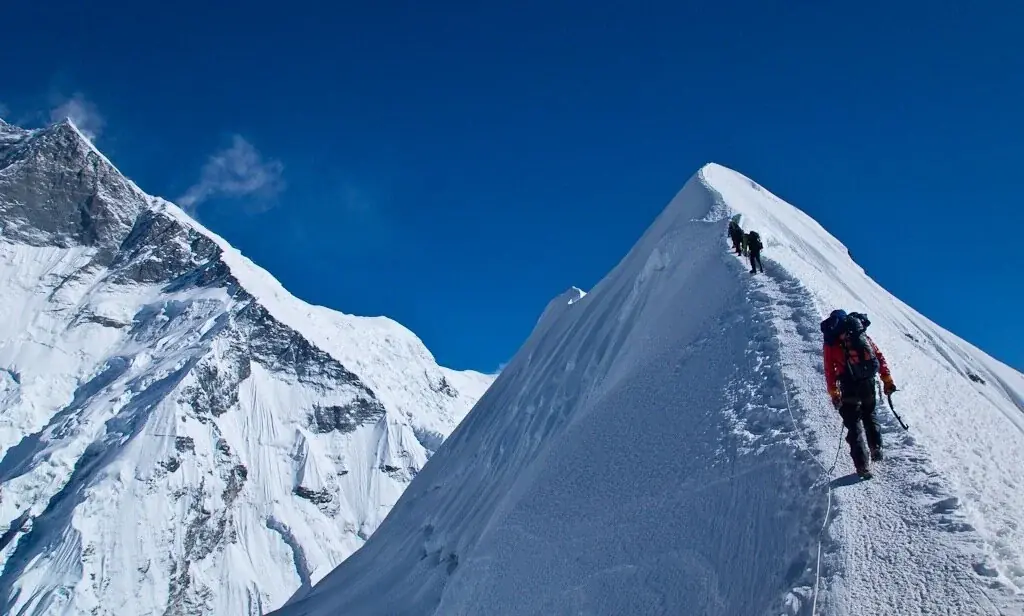
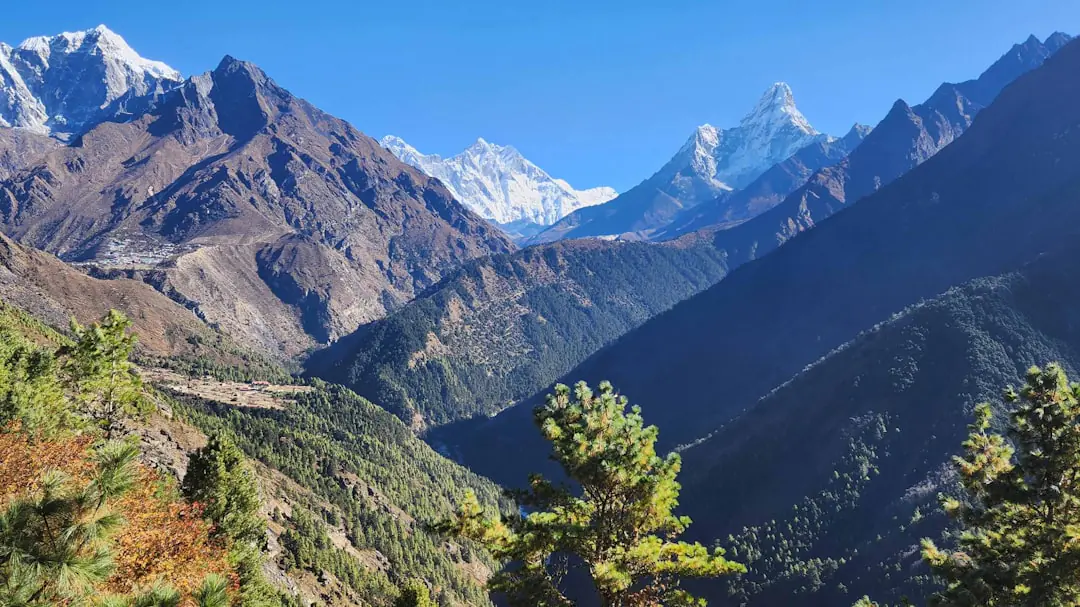
Island Peak, locally known as Imja Tse (6,189m), is one of the most iconic trekking peaks in Nepal and a perfect introduction to Himalayan mountaineering. Located deep in the Khumbu region within Sagarmatha National Park, the peak rises above the Imja Valley surrounded by towering giants such as Lhotse, Nuptse, Ama Dablam, and Makalu.
This adventure combines the cultural richness of the Everest trekking trails with the thrill of a real alpine climb. The journey begins with a scenic mountain flight to Lukla before trekking through classic Sherpa villages including Namche Bazaar, Tengboche, Dingboche, and Chhukung. Along the way you pass suspension bridges over glacial rivers, rhododendron forests, and high alpine valleys framed by dramatic Himalayan landscapes.
Island Peak earned its name in 1951 when British explorer Eric Shipton observed that the mountain appeared like an island rising from a sea of ice when viewed from Dingboche. Today it remains one of Nepal’s most popular training peaks for climbers aiming for higher Himalayan expeditions.
After gradual acclimatization in the Khumbu Valley, the route continues to Island Peak Base Camp (5,240m), where climbers receive basic mountaineering instruction. Guides provide training in using crampons, ascenders, ropes, and other climbing equipment before the summit push.
The summit day involves glacier travel and a thrilling ascent up a steep snow headwall using fixed ropes. Standing on the narrow summit ridge rewards climbers with extraordinary Himalayan views stretching across the Everest region. Peaks like Everest, Lhotse, Makalu, Ama Dablam, and Baruntse dominate the horizon.
Island Peak is considered achievable for fit trekkers with determination and basic climbing preparation. With proper acclimatization, professional guides, and a carefully planned itinerary, this expedition delivers both an exciting climbing challenge and an unforgettable journey through the heart of the Himalayas.
Arrival in Kathmandu (1,400m/4,593 ft) 1 hour
Kathmandu Sightseeing and Trek Preparation (1,400m/4,593 ft) 4-5 hours
Fly to Lukla and Trek to Phakding (2,610m/8,563 ft) 3-4 hours
Trek to Namche Bazaar (3,440m/11,286 ft) 5-6 hours
Acclimatization Day in Namche (3,440m/11,286 ft) 3-4 hours
Trek to Tengboche (3,860m/12,664 ft) 5-6 hours
Trek to Dingboche (4,410m/14,469 ft) 5-6 hours
Acclimatization at Dingboche (4,410m/14,469 ft) 4-5 hours
Trek to Chhukung (4,730m/15,518 ft) 4 hours
Trek to Island Peak Base Camp (5,240m/17,192 ft) 4-5 hours
Climbing Training and Preparation (5,240m/17,192 ft) 3-4 hours
Summit Island Peak and Descend to Chhukung (4,730m/15,518 ft) 9-10 hours
Trek to Namche Bazaar (3,440m/11,286 ft) 6-7 hours
Trek to Lukla (2,860m/9,383 ft) 6-7 hours
Fly Back to Kathmandu and Departure (1,400m/4,593 ft) 35 minutes flight
This itinerary is customizable. If you want to modify any aspect of this trip, let us know and we'll create a personalized itinerary just for you.
CUSTOMIZE MY TRIPThe best seasons for Island Peak climbing are spring (March–May) and autumn (September–November). These periods typically bring stable weather, clearer skies, and comfortable climbing conditions. Spring offers blooming rhododendron forests along the lower trails, while autumn provides exceptional mountain visibility after the monsoon season.
Climbers need several permits including the Island Peak climbing permit issued by the Nepal Mountaineering Association, the Sagarmatha National Park entry permit, and the Khumbu Pasang Lhamu Rural Municipality permit. These are typically arranged by the trekking company before the expedition begins.
This expedition is rated strenuous. Participants should be physically fit and capable of trekking 5–7 hours daily at high altitude. Previous trekking experience is highly recommended. Basic mountaineering training will be provided at base camp, but good endurance, strength, and determination are essential.
Most travelers can obtain a Nepal tourist visa on arrival at Tribhuvan International Airport in Kathmandu. Visitors should carry a valid passport, passport-sized photos, and the visa fee in cash. Visa durations of 15, 30, or 90 days are available.
The Everest region experiences alpine conditions. Lower valleys remain relatively mild, while temperatures drop significantly above 4,000 meters. At Island Peak Base Camp and summit elevations, temperatures can fall below freezing, especially at night. Weather conditions can change quickly, making proper gear and acclimatization essential.
Here's a recommended packing list for your trek. Some items can be rented or purchased in Kathmandu or at the trailhead.