Didn't find the perfect trip?
Let us craft a tailor-made adventure just for you.
Associated With


Let us craft a tailor-made adventure just for you.
Associated With

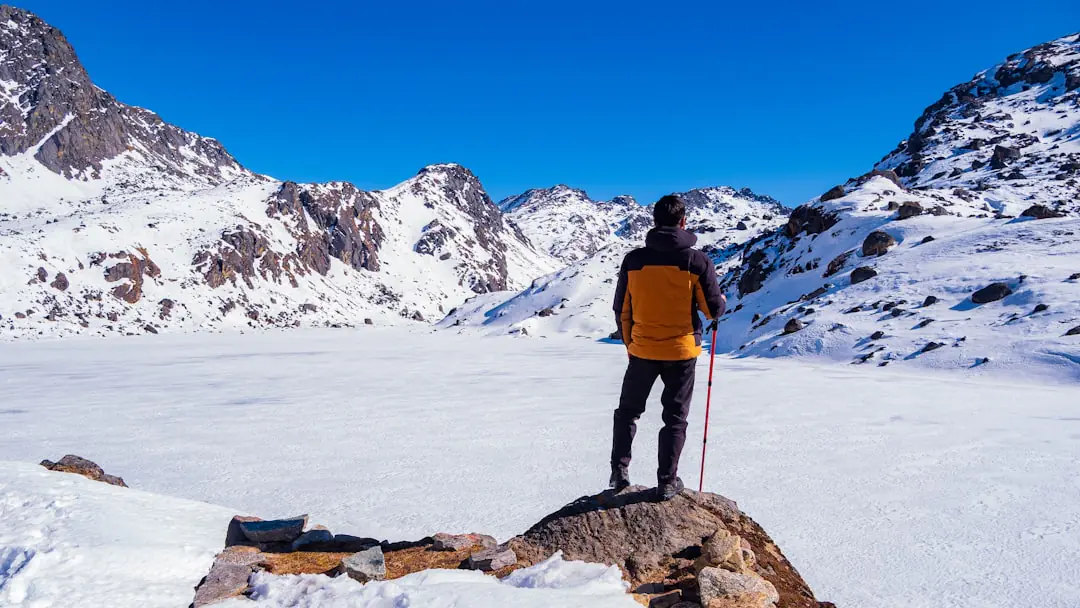
The Gosaikunda Lake Trek is one of the most rewarding short Himalayan adventures in Nepal, combining sacred alpine lakes, dramatic mountain scenery, and authentic cultural encounters in the Langtang region. Located north of Kathmandu inside Langtang National Park, the trail leads trekkers through dense forests, traditional Tamang settlements, and high mountain ridges before reaching the shimmering glacial lakes of Gosaikunda.
The journey begins with a scenic drive from Kathmandu to Dhunche, the gateway to the Langtang region. From here, the trail climbs through oak, pine, and rhododendron forests toward charming villages such as Chandanbari (Sing Gompa) and Lauribinayak. As the trail ascends above the tree line, expansive views unfold across the Langtang Himal, Ganesh Himal, and distant peaks of the Tibetan frontier.
The highlight of the trek is the sacred Gosaikunda Lake (4,380 m), a turquoise alpine basin surrounded by rugged peaks and spiritual mythology. According to Hindu belief, the lake was formed when Lord Shiva struck the mountain with his trident to create water. Each year during the Janai Purnima festival, thousands of pilgrims travel here to take ritual baths in the icy water.
From Gosaikunda, trekkers continue over the dramatic Lauribina La Pass (4,610 m), the highest point of the trek. The pass reveals sweeping Himalayan panoramas before the trail descends through remote ridges and forested valleys toward Helambu. Along the way, villages such as Ghopte, Tharepati, and Kutumsang provide insight into the mountain lifestyles shaped by Tibetan Buddhist traditions.
The trek concludes near Kathmandu at Sundarijal after passing through the green hills of Shivapuri National Park. Despite its proximity to the capital, the Gosaikunda trek offers remarkable wilderness, wildlife, and cultural depth.
Perfect for trekkers seeking a moderate Himalayan adventure within two weeks, this journey blends spiritual landscapes, high mountain passes, and welcoming local hospitality into one unforgettable experience.
Arrival in Kathmandu (1,400m/4,593 ft)
Kathmandu Sightseeing & trek preparation Day (1,400m/4,593 ft)
Drive to Dhunche (1960m)
Trek from Dhunche to Shin Gompa (3330m)
Trek from Shin Gompa to Laurebina (3910m)
Trek from Laurebina to Gosaikunda (4380m
Explore Gosaikunda (5,145m/16,880 ft)
Trek from Gosaikunda to Shin Gompa (4,165m/13,665 ft)
Trek from Shin Gompa to Dhunche (3,330m/10,925 ft)
Drive to Kathmandu (1,960m/6,430 ft)
Final Departure (1,960m/6,430 ft)
This itinerary is customizable. If you want to modify any aspect of this trip, let us know and we'll create a personalized itinerary just for you.
CUSTOMIZE MY TRIPThe ideal seasons for the Gosaikunda Trek are spring (March–May) and autumn (September–November). Spring brings blooming rhododendron forests and clear mountain views, while autumn offers stable weather and crisp visibility. Winter treks are possible but involve cold temperatures and snow near the pass.
Trekkers must obtain a Langtang National Park Entry Permit and a TIMS (Trekkers' Information Management System) card. These permits help manage trekking activities and support conservation efforts in the Langtang region.
This trek is considered moderate and suitable for trekkers with good physical fitness. Expect daily walks of 5–7 hours, including steep ascents and the crossing of Lauribina La Pass at 4,610 meters. Regular hiking, cardio training, and endurance exercises are recommended before the trek.
Most travelers can obtain a Nepal tourist visa on arrival at Kathmandu International Airport. Visas are typically available for 15, 30, or 90 days with a valid passport and passport‑size photo.
The climate varies with altitude. Lower regions have mild temperatures and forests, while higher elevations near Gosaikunda are alpine with cooler conditions. Daytime temperatures can range from 10–20°C at lower elevations and drop below freezing near the pass.
Here's a recommended packing list for your trek. Some items can be rented or purchased in Kathmandu or at the trailhead.