Didn't find the perfect trip?
Let us craft a tailor-made adventure just for you.
Associated With


Let us craft a tailor-made adventure just for you.
Associated With

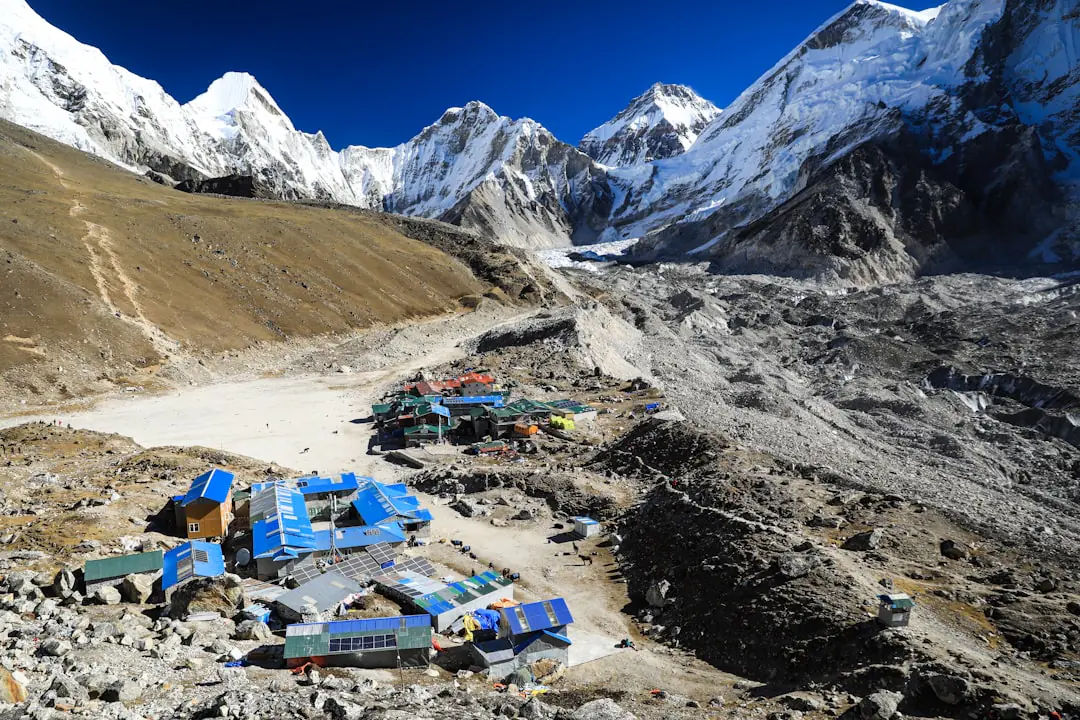
The Everest Base Camp Trek is the world’s most iconic Himalayan adventure. This 15‑day group journey follows the legendary Khumbu Valley route, leading trekkers from vibrant Sherpa villages to the foot of Mount Everest. Along the way, the trail winds through pine forests, suspension bridges over the Dudh Koshi River, alpine meadows, and high‑altitude glacier landscapes inside Sagarmatha National Park, a UNESCO World Heritage Site.
Your adventure begins with a spectacular mountain flight from Kathmandu to Lukla, the gateway to the Everest region. From here the trail gradually climbs through villages such as Phakding and Namche Bazaar, the cultural and trading hub of the Khumbu. Carefully planned acclimatization days help your body adapt to altitude while rewarding you with hikes to viewpoints like the Everest View Hotel and Nangkartshang Hill.
Beyond Namche, the landscape becomes increasingly dramatic. Rhododendron forests give way to open alpine terrain as you pass Tengboche Monastery, the region’s largest and most revered monastery. The trek continues through Dingboche and Lobuche before reaching the rugged moraine of the Khumbu Glacier.
The highlight of the journey arrives when you stand at Everest Base Camp (5,364 m), the staging point for climbers attempting the world’s highest peak. Prayer flags flutter in the thin mountain air while the towering ice formations of the Khumbu Icefall rise ahead. The following morning brings another unforgettable moment: a sunrise ascent of Kala Patthar (5,545 m), the highest point of the trek and the best viewpoint for close‑up views of Mount Everest, Lhotse, Nuptse, and Pumori.
This group trek combines adventure with cultural immersion. Nights are spent in traditional Himalayan teahouses where trekkers enjoy warm meals and Sherpa hospitality after rewarding days on the trail. With experienced guides, a well‑paced itinerary, and a supportive trekking group, this expedition offers a safe and inspiring way to experience the Everest region.
Arrive in Kathmandu (1,400m/4,593 ft)
Sightseeing and Trek Preparation (1,400m/4,593 ft)
Flight to Lukla and then trek to Phakding (1,400m/4,593 ft)
Trek to Namche Bazaar (3,440m/11,286 ft)
Acclimatization Day in Namche (3,440m/11,286 ft)
Trek to Tengboche (3,440m/11,286 ft)
Trek to Dingboche (3,440m/11,286 ft)
Acclimatization Day in Dingboche (3,440m/11,286 ft)
Trek to Lobuche (3,440m/11,286 ft)
Trek to Gorak Shep and Visit Everest Base Camp (3,440m/11,286 ft)
Trek To Kala Patthar and then to Pheriche (3,440m/11,286 ft)
Trek to Namche Bazaar (3,440m/11,286 ft)
Trek to Lukla (2,860m/9,383 ft)
Flight Back to Kathmandu (1,400m/4,593 ft)
Final Departure (1,400m/4,593 ft)
This itinerary is customizable. If you want to modify any aspect of this trip, let us know and we'll create a personalized itinerary just for you.
CUSTOMIZE MY TRIPThe ideal seasons for the Everest Base Camp trek are spring (March to May) and autumn (September to November). During these months the skies are generally clear, temperatures are stable, and mountain views are excellent. Spring brings blooming rhododendron forests, while autumn offers crisp air and long‑range visibility across the Himalayas.
Trekkers need two main permits: the Sagarmatha National Park Entry Permit and the Khumbu Pasang Lhamu Rural Municipality Permit. These permits support conservation efforts and local infrastructure within the Everest region.
This trek is considered challenging due to high altitude and daily walking distances of 5–7 hours. No technical climbing is required, but trekkers should have good cardiovascular fitness and the ability to hike for several consecutive days on uneven terrain.
Most travelers can obtain a Nepal tourist visa on arrival at Tribhuvan International Airport in Kathmandu. The visa process is straightforward and requires a valid passport and passport‑size photos.
Temperatures vary significantly along the route. Lower valleys are mild during the day, while higher villages can drop below freezing at night. Weather in the mountains can change quickly, so trekkers should be prepared for cold winds and occasional snowfall at higher elevations.
Here's a recommended packing list for your trek. Some items can be rented or purchased in Kathmandu or at the trailhead.