Didn't find the perfect trip?
Let us craft a tailor-made adventure just for you.
Associated With


Let us craft a tailor-made adventure just for you.
Associated With

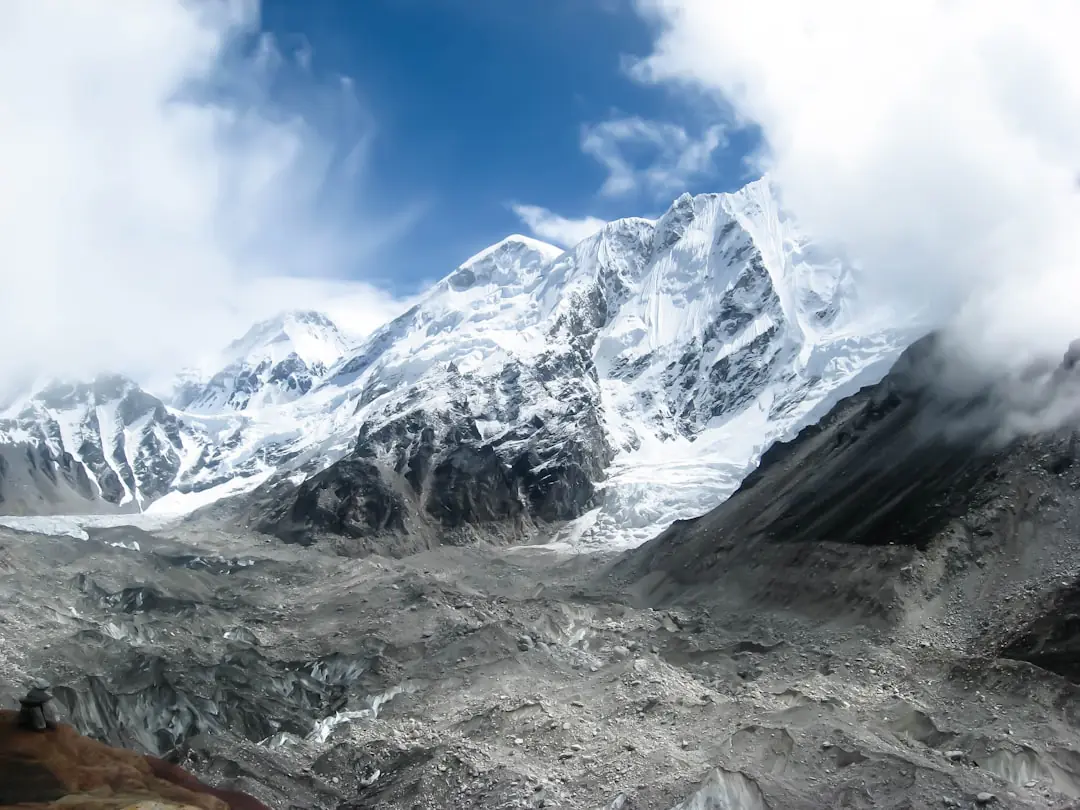
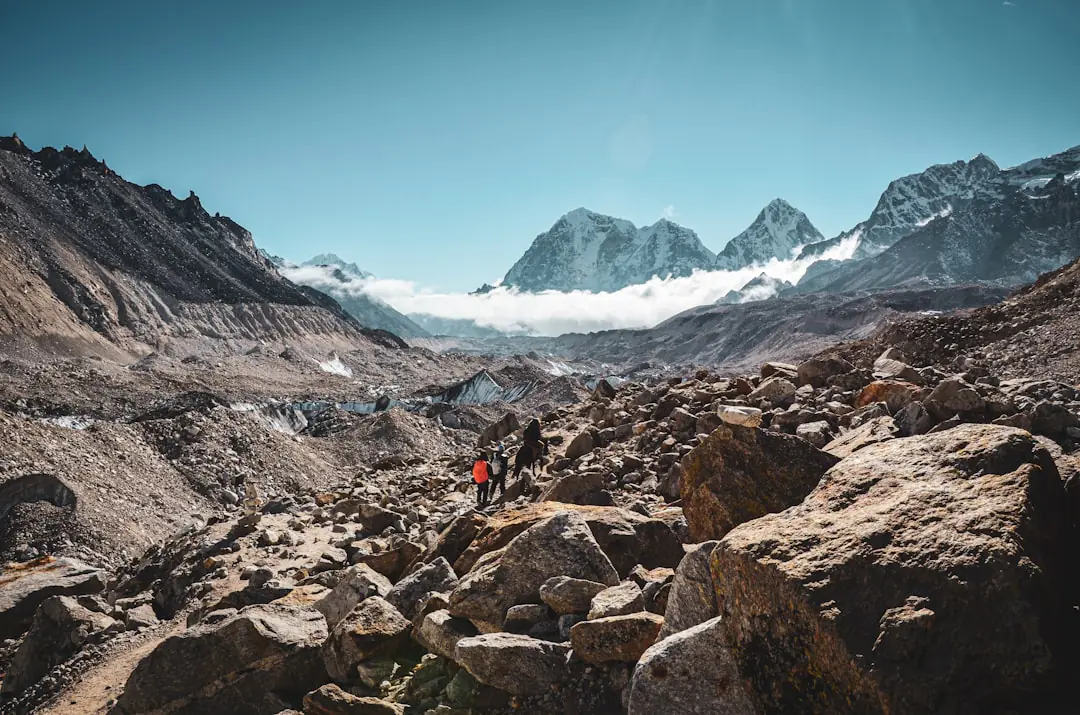
The Everest Base Camp Trek is one of the most celebrated trekking adventures on Earth. This remarkable journey leads deep into the Khumbu region of Nepal, where dramatic Himalayan landscapes, centuries-old Sherpa culture, and legendary mountaineering history combine into an unforgettable experience. The trek culminates at Everest Base Camp (5,364 m), the staging ground for climbers attempting to summit Mount Everest, the highest mountain on the planet.
Your adventure begins with a spectacular mountain flight from Kathmandu to Lukla, landing at the famous Tenzing–Hillary Airport. From here, the trail follows the Dudh Koshi River valley, crossing suspension bridges draped with prayer flags and passing through traditional Sherpa villages such as Phakding, Namche Bazaar, Tengboche, and Dingboche.
Along the way, trekkers experience the vibrant culture of the Khumbu. Prayer wheels spin beside stone mani walls, colorful monasteries stand against snowy peaks, and friendly teahouses offer warm hospitality after long days on the trail. Tengboche Monastery, the largest monastery in the region, provides a serene cultural highlight surrounded by towering mountains.
The landscape gradually transforms as altitude increases. Forests of rhododendron and pine give way to high alpine terrain, glacier moraines, and sweeping Himalayan vistas. From Namche Bazaar onward, views expand to include Everest, Lhotse, Nuptse, Ama Dablam, Thamserku, and many other towering peaks.
The highlight arrives when you stand at Everest Base Camp itself, surrounded by the Khumbu Glacier and the immense Khumbu Icefall. Early the following morning, a climb to Kala Patthar (5,555 m) rewards trekkers with the most iconic panorama of Mount Everest glowing in the morning light.
Despite its altitude and length, the Everest Base Camp Trek does not require technical climbing skills. With proper acclimatization and steady pacing, it is achievable for determined trekkers with good fitness. Over two unforgettable weeks, you will walk through the heart of the Himalayas and experience a landscape that has inspired explorers for generations.
Arrive in Nepal (1,360m/4,462 ft)
Kathmandu city sightseeing and Trek preparation Tour (1,360m/4,462 ft) 5-7 hours
Flight to Lukla (2845 m/9334ft) and then trek to Phakding (2,610 m/8562 ft) 4-5 hours
Trek to Namche Bazaar (3,440m/11,286 ft) 5-6 hours
Hike & Acclimatization Day in Namche (3,440m/11,286 ft) 4-5 hours
Trek to Tengboche (3,860m/12,664 ft) 5-6 hours
Trek to Dingboche (4,410m/14,469 ft) 5-6 hours
Hike & Acclimatization Day in Dingboche (4,410m/14,469 ft) 4-5 hours
Trek to Lobuche (4,910m/16,109 ft) 5-6 hours
Trek to Gorakshep and Visit Everest Base Camp (5,363 m/17595 ft) 7-8 hours
Early morning hike to Kalapatthar and then to Pheriche (4,371 m/14340 ft) 6-7 hours
Trek to Namche Bazaar (3,440m/11,286 ft) 6-7 hours
Trek to Lukla (2,860m/9,383 ft) 6-7 hours
Fly Back to Kathmandu 30-35 Minute Flight (1,360m/4,462 ft)
Final Departure (1,360m/4,462 ft)
This itinerary is customizable. If you want to modify any aspect of this trip, let us know and we'll create a personalized itinerary just for you.
CUSTOMIZE MY TRIPThe ideal seasons for the Everest Base Camp Trek are spring (March to May) and autumn (September to November). During these months, the weather is generally stable, skies are clear, and mountain views are at their best. Spring brings blooming rhododendron forests, while autumn offers crisp air and excellent visibility.
Two permits are required for the Everest Base Camp Trek: the Sagarmatha National Park Entry Permit and the Khumbu Pasang Lhamu Rural Municipality Permit. These are usually arranged by trekking companies before the trek begins.
This trek is considered strenuous due to the high altitude and multiple days of hiking. Trekkers should be comfortable walking 5–7 hours daily for nearly two weeks. Regular hiking, cardio training, and endurance activities are recommended before the trek.
Most travelers can obtain a Nepal tourist visa on arrival at Tribhuvan International Airport in Kathmandu. Visitors need a valid passport, passport photos, and visa fees payable in USD or equivalent currency.
Weather in the Everest region varies significantly with altitude. Lower elevations are mild while higher areas are cold and windy. Daytime trekking temperatures are usually comfortable in peak seasons, but nights can drop below freezing above 4,000 meters.
Here's a recommended packing list for your trek. Some items can be rented or purchased in Kathmandu or at the trailhead.