Didn't find the perfect trip?
Let us craft a tailor-made adventure just for you.
Associated With


Let us craft a tailor-made adventure just for you.
Associated With

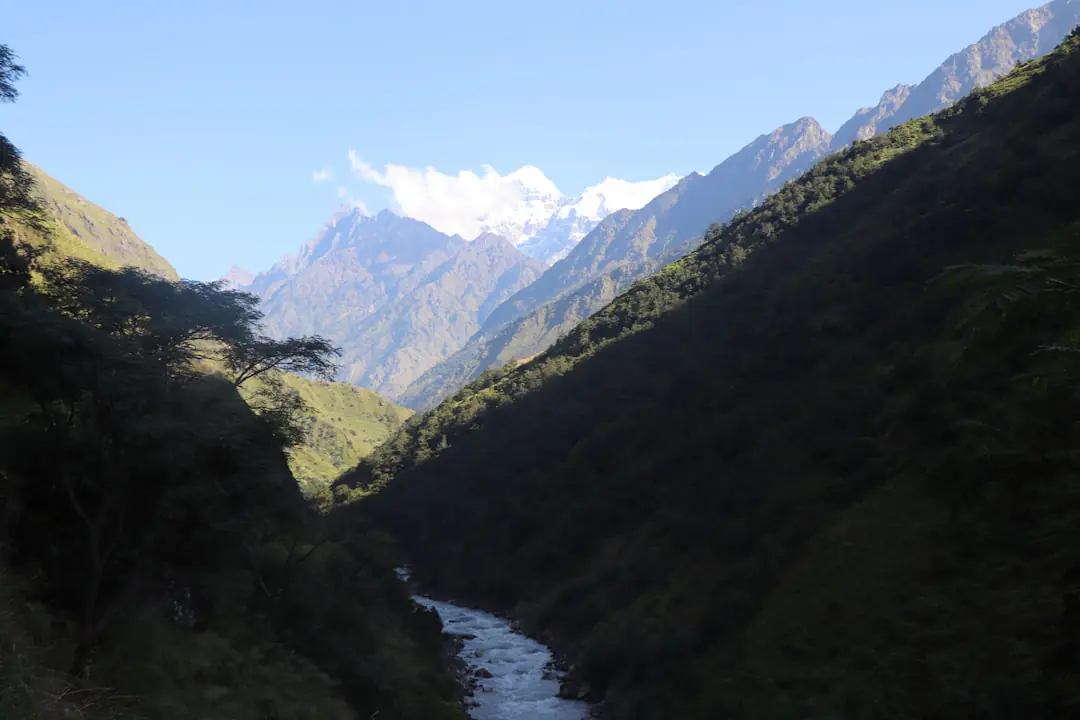
The Dhaulagiri Circuit Trek is one of Nepal’s most demanding and rewarding trekking adventures. Circling the immense Dhaulagiri massif (8,167 m), the seventh‑highest mountain on Earth, this expedition-style trek leads through remote valleys, rugged glaciers, alpine meadows, and two dramatic Himalayan passes. It is a journey designed for experienced trekkers who want to explore a region that remains wild, isolated, and remarkably untouched.
Your journey begins with a scenic drive from Kathmandu to the riverside town of Beni, where the trek gradually follows the Myagdi Khola valley. The route passes traditional Magar villages such as Babiachor, Dharapani, and Muri, where terraced fields and hillside settlements offer a glimpse into the mountain lifestyle of western Nepal.
As the trail climbs higher, dense forests give way to alpine terrain and remote wilderness. Trekkers pass Dobang and Choriban Khola before reaching the remarkable Italian Base Camp, surrounded by towering ice walls and dramatic peaks. From here, the route moves onto glacial terrain and reaches the impressive Dhaulagiri Base Camp (4,740 m), where the massive north face of Dhaulagiri dominates the skyline.
The most exhilarating part of the trek arrives with the crossing of two high Himalayan passes:
Beyond the passes lies the mysterious Hidden Valley, a windswept high‑altitude plateau rarely visited by trekkers. The route then descends toward the Kali Gandaki Valley, eventually reaching the charming village of Marpha and the airstrip town of Jomsom.
Unlike popular trekking routes in Nepal, the Dhaulagiri Circuit remains quiet and adventurous. Much of the trek involves camping in remote terrain, supported by a skilled trekking crew. The rewards are immense: enormous glaciers, towering Himalayan giants, pristine wilderness, and a profound sense of isolation rarely found elsewhere in the Himalayas.
Arrival at Kathmandu (1,300m/4,265 ft)
Sightseeing Kathmandu and trek preparation day (1,300m/4,265 ft)
Drive from Kathmandu to Beni by local transport (899m)
Drive from Beni to Takam (1500m) camping
Trek from Takam to Muri (1850) camping (1,850m/6,070 ft)
Trek from Muri to Bagar (2080m) camping
Trek from Bagar to Dovan (2520m) camping
Trek from Dovan to Italian Base Camp (3600m)
Acclimatization at Italian Base Camp (3600m)
Trek from Italian Base Camp to Dhaulagiri Base Camp (4750m) camping
Trek from Dhaulagiri Base Camp to hidden valley (5050m) via French Pass (5360M) camping
Trek from hidden valley to Yakkharka (3680m) via Dhampus Pass (5240m) camping
Trek from Yakkharka to Jomson (2770m)
Drive from Jomson to Tatopani (natural hot spring) by local bus (1,189m/3,901 ft)
Drive from Tatopani to Pokhara (1400) by local bus (1,400m/4,593 ft)
Sightseeing in Pokhara Valley. (1,400m/4,593 ft)
Drive from Pokhara to Kathmandu (1400m)
Final Departure (1,400m/4,593 ft)
This itinerary is customizable. If you want to modify any aspect of this trip, let us know and we'll create a personalized itinerary just for you.
CUSTOMIZE MY TRIPThe ideal seasons for the Dhaulagiri Circuit Trek are spring (March–May) and autumn (September–November). During these months the skies are generally clear, temperatures are stable, and the high passes are more accessible. Spring offers blooming alpine flowers while autumn provides excellent visibility of the Himalayan peaks.
Trekking in the Dhaulagiri region requires several permits including the Annapurna Conservation Area Permit (ACAP) and a TIMS card. These permits help support conservation efforts and maintain trekking infrastructure in the region.
This trek is classified as extreme difficulty. Trekkers should have prior high‑altitude trekking experience and excellent physical conditioning. Daily walks of 5–7 hours across rugged terrain and glacier sections are common. Preparation with endurance training and multi‑day hikes is strongly recommended.
Most travelers can obtain a Nepal tourist visa on arrival at Kathmandu International Airport. Visitors must carry a valid passport, passport photos, and the visa fee payable in major currencies.
The trek covers a wide range of elevations from subtropical valleys to glaciated high passes. Lower regions are mild and forested, while higher camps can experience freezing temperatures and strong winds. Proper clothing and preparation for alpine conditions are essential.
Here's a recommended packing list for your trek. Some items can be rented or purchased in Kathmandu or at the trailhead.