Didn't find the perfect trip?
Let us craft a tailor-made adventure just for you.
Associated With


Let us craft a tailor-made adventure just for you.
Associated With

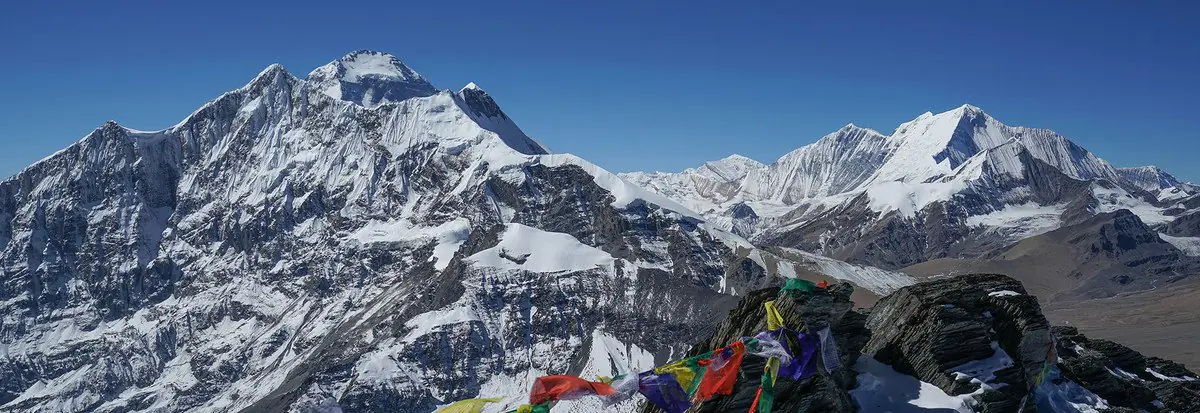
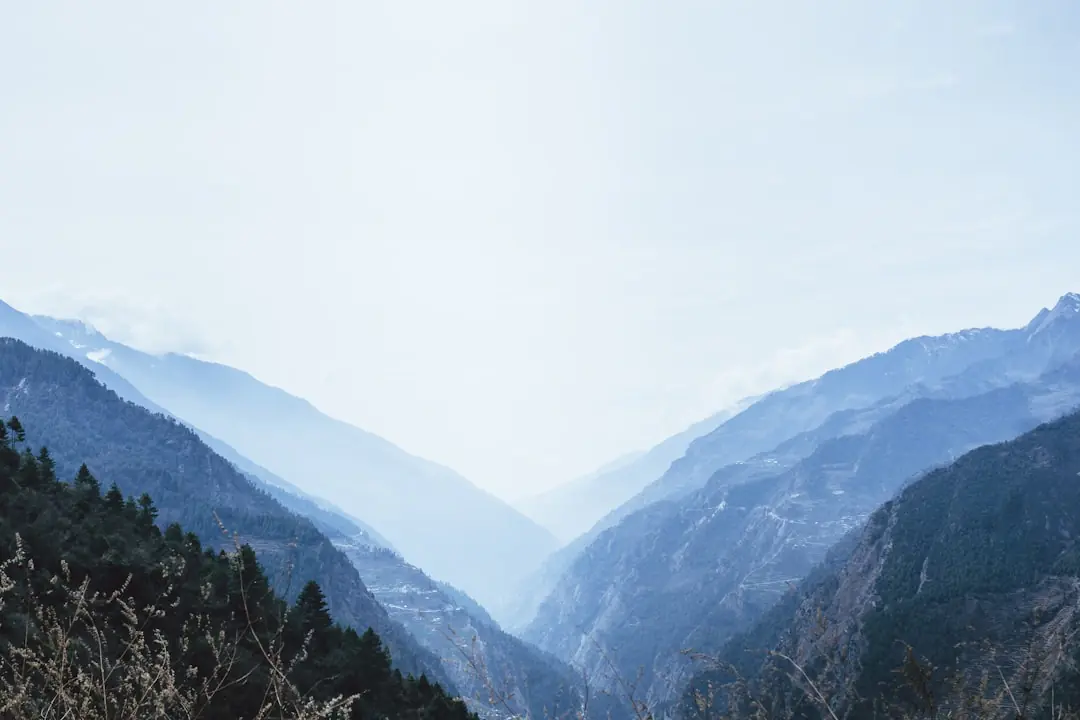
Dhampus Peak, also known as Thapa Peak (6,012m), rises between the Dhaulagiri and Annapurna massifs in Nepal’s spectacular Mustang region. Considered one of the more accessible trekking peaks in the Himalaya, it offers an ideal introduction to high‑altitude mountaineering while still delivering the thrill of a genuine Himalayan summit.
The journey begins in Kathmandu before traveling to the lake city of Pokhara and onward into the arid landscapes of Lower Mustang. From traditional Thakali villages such as Marpha, the route climbs gradually into alpine pastures and rugged valleys beneath the towering Dhaulagiri range. The trail winds through rhododendron forests, yak grazing fields, and remote highlands inside the Annapurna Conservation Area.
As the expedition gains elevation, trekkers establish camps beneath the snow slopes of Dhampus Peak. A dedicated acclimatization and climbing training day prepares the team with essential mountaineering skills including rope techniques, crampon use, and glacier safety. The final ascent follows a gradual snow ridge leading to the summit, where an immense panorama unfolds across the Himalaya.
From the top, climbers enjoy remarkable views of Dhaulagiri (8,167m), Nilgiri, Annapurna South, Tukuche Peak, Tilicho Peak, and Thorong Peak. The scenery combines stark high‑altitude desert terrain with towering ice‑covered mountains, creating one of the most dramatic viewpoints in the Annapurna region.
Beyond the summit experience, the expedition also provides insight into the culture of the Mustang region, home to Thakali and Tibetan‑influenced communities whose traditions reflect centuries of Himalayan trade and pilgrimage.
With professional guides, gradual acclimatization, and a well‑designed itinerary, Dhampus Peak Climbing offers an adventurous yet achievable Himalayan objective. It blends trekking, cultural discovery, and mountaineering into a rewarding expedition suited for trekkers ready to step into the world of peak climbing.
Arrival in Kathmandu (1,400m/4,593 ft)
Kathmandu Sightseeing & trek preparation Day (1,400m/4,593 ft)
Drive to Pokhara (820m/2,690 ft)
Drive to Marpha (2,670m/8,760 ft)
Trek to Yak Kharka (4,930m/16,175 ft)
Trek to Dhampus Base Camp (5,150m/16,896 ft)
Training Day (5,150m/16,896 ft)
Summit Day and Back to Base Camp (6,012m/19,724 ft)
Trek to Marpha (2,670m/8,760 ft)
Drive to Tatopani (Natural Hot Spring) (2,530m/8,301 ft)
Drive to Pokhara (820m/2,690 ft)
Drive Back to Kathmandu (1,400m/4,593 ft)
Final Departure (1,400m/4,593 ft)
This itinerary is customizable. If you want to modify any aspect of this trip, let us know and we'll create a personalized itinerary just for you.
CUSTOMIZE MY TRIPThe most reliable seasons for Dhampus Peak climbing are spring (March–May) and autumn (September–November). These periods offer stable weather, clearer mountain views, and safer climbing conditions. Spring also brings blooming rhododendron forests along the lower trekking trails.
Climbers need several permits for this expedition: a Dhampus Peak climbing permit issued by the Nepal Mountaineering Association and the Annapurna Conservation Area Permit (ACAP). These permits regulate trekking activities and support conservation efforts in the region.
This climb is graded as challenging. Participants should have strong trekking fitness and the ability to walk 5–7 hours daily at high altitude. Prior experience with crampons or basic mountaineering is helpful but not always required as training is provided at base camp.
Travelers entering Nepal require a tourist visa, available on arrival at Kathmandu International Airport or in advance through Nepalese embassies. Most nationalities can obtain visas for 15, 30, or 90 days.
The route begins in temperate valleys before entering cold alpine environments. Daytime trekking temperatures are generally comfortable, while nights at higher camps can drop below freezing. Summit conditions often include snow and strong winds, requiring proper alpine gear.
Here's a recommended packing list for your trek. Some items can be rented or purchased in Kathmandu or at the trailhead.