Didn't find the perfect trip?
Let us craft a tailor-made adventure just for you.
Associated With


Let us craft a tailor-made adventure just for you.
Associated With

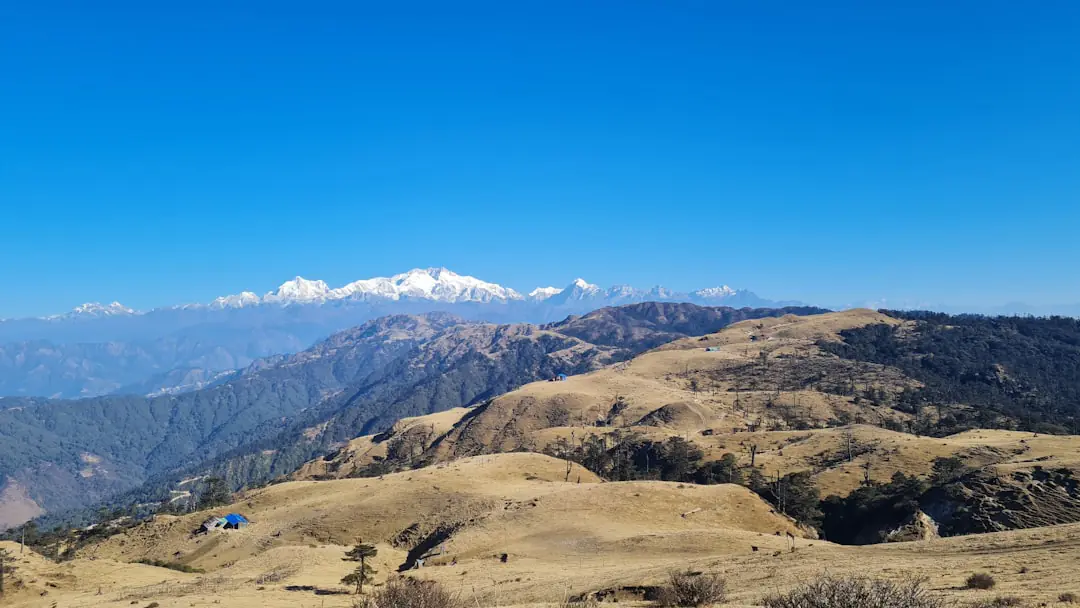
Chulu Far East Peak (6,059m) rises above the northern side of the Marsyangdi Valley in Nepal’s Annapurna region. Although it is considered one of the more accessible trekking peaks in the Himalaya, the climb still offers a genuine alpine challenge with snow slopes, exposed ridges, and rewarding summit views. The expedition combines classic Annapurna trekking culture with a compact Himalayan climbing experience.
The journey begins in Kathmandu before driving into the foothills of the Annapurna range. The route gradually follows the Marsyangdi River valley through traditional settlements and forested slopes before reaching the high-altitude landscapes of Manang. Villages such as Pisang and Humde reveal a blend of Tibetan-influenced culture, stone-built houses, and ancient monasteries set beneath towering Himalayan peaks.
Beyond the villages, the trail leaves the main Annapurna Circuit route and climbs into quieter alpine terrain. Climbers establish base camp below Chulu Far East and spend time practicing essential mountaineering techniques including rope travel, ice axe handling, and the use of crampons. This preparation is important as the upper mountain involves steep snow slopes and glaciated terrain.
Summit day begins before dawn. Under the guidance of experienced climbing Sherpas, climbers ascend carefully along fixed ropes on exposed sections. The reward is an extraordinary panorama across the Annapurna and Damodar Himal ranges. From the summit, peaks such as Annapurna II, Annapurna III, Gangapurna, Manaslu, Chulu West, Pisang Peak, and even the distant Dhaulagiri massif rise across the horizon, while the Tibetan plateau stretches northward.
After the climb, the route descends back through the Manang valley and returns to Kathmandu. With a combination of trekking, cultural encounters, and a Himalayan summit, Chulu Far East Peak Climbing is ideal for trekkers seeking their first technical 6,000‑meter expedition in Nepal.
Kathmandu Arrival (1,400m/4,593 ft)
Kathmandu Sightseeing and Trek Preparation (1,400m/4,593 ft)
Drive to Besisahar (1,400m/4,593 ft)
Drive to Chame (2,710m/8,891 ft)
Trek to Pisang (1,500m/4,921 ft)
Trek to Humde (3,389m/11,119 ft)
Trek to Shabji Khola (3,500m/11,483 ft)
Trek to Chulu Far East Base Camp (4,800m/15,748 ft)
Training Day (Acclimatization) (4,800m/15,748 ft)
Trek to High Camp (5,400m/17,717 ft)
Summit Day and Back to Base Camp (6,059m/19,879 ft)
Trek to Humde (3,380m/11,089 ft)
Trek to Chame (2,719m/8,921 ft)
Drive to Besisahar (760m/2,493 ft)
Drive Back to Kathmandu (1,400m/4,593 ft)
Final Departure (1,400m/4,593 ft)
This itinerary is customizable. If you want to modify any aspect of this trip, let us know and we'll create a personalized itinerary just for you.
CUSTOMIZE MY TRIPThe most stable seasons for climbing Chulu Far East are spring (March to May) and autumn (September to November). Spring offers warmer temperatures and blooming alpine landscapes, while autumn provides crisp air and clear Himalayan views. Winter brings heavy snow and colder conditions, while summer monsoon months often create unstable trails and poor visibility.
Climbers must obtain a Chulu Far East Peak climbing permit issued by the Nepal Mountaineering Association. In addition, trekkers need an Annapurna Conservation Area Permit (ACAP). These permits regulate tourism and help support conservation and local communities in the Annapurna region.
This expedition requires strong physical fitness and previous trekking experience at high altitude. Climbers should be comfortable hiking for 5–7 hours daily while carrying a daypack. Basic mountaineering knowledge is helpful, although guides provide instruction in rope techniques, crampon use, and glacier travel at base camp.
Most travelers can obtain a Nepal tourist visa on arrival at Kathmandu International Airport. Visitors need a passport valid for at least six months and passport-sized photos. Visa fees vary depending on the duration of stay.
Temperatures vary significantly during the expedition. Lower valleys may feel warm during the day, while high camps near the summit can drop well below freezing at night. Weather can change quickly at high altitude, so climbers should be prepared for wind, snow, and strong sun exposure.
Here's a recommended packing list for your trek. Some items can be rented or purchased in Kathmandu or at the trailhead.