Didn't find the perfect trip?
Let us craft a tailor-made adventure just for you.
Associated With


Let us craft a tailor-made adventure just for you.
Associated With

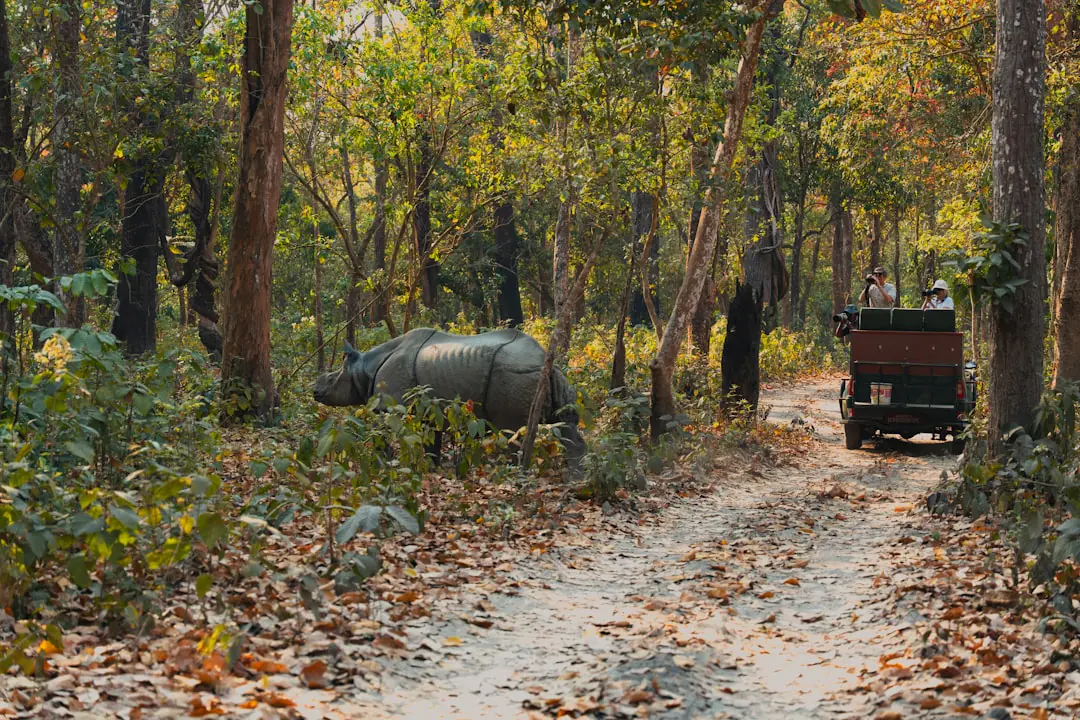
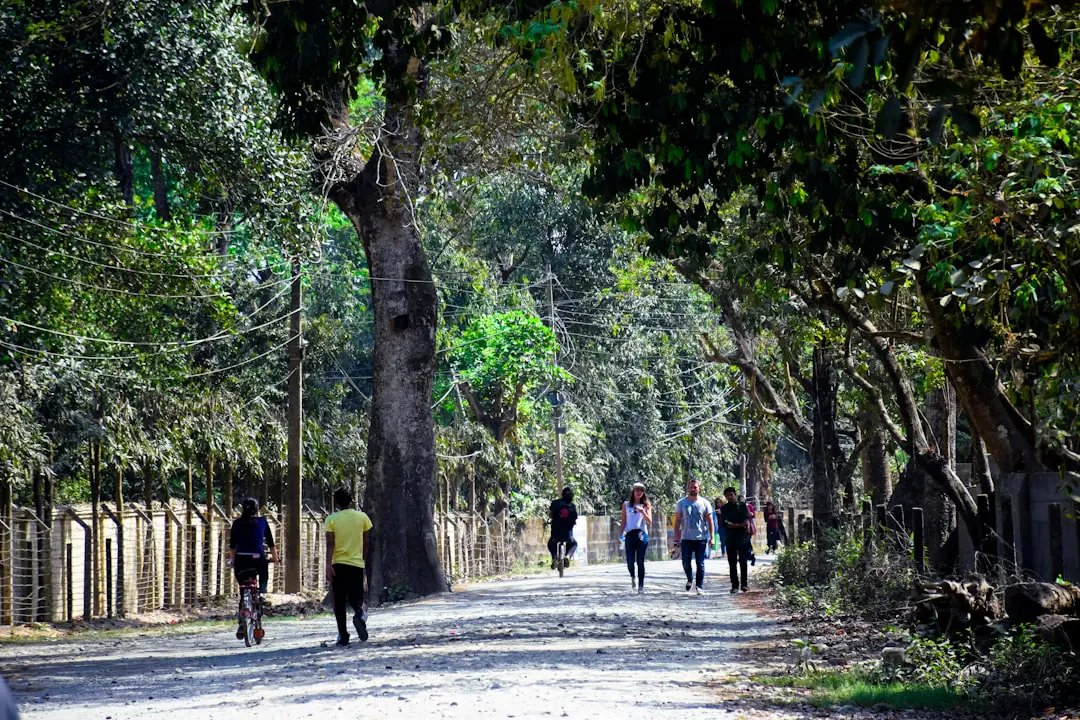
The Chitwan National Park Jungle Safari Tour offers a remarkable journey into Nepal’s subtropical wilderness. Located in the southern Terai plains about 165 km from Kathmandu, Chitwan National Park is a UNESCO World Heritage Site known for its dense forests, grasslands, and extraordinary wildlife. Established in 1973 and covering more than 930 square kilometers, the park protects one of Asia’s richest ecosystems.
This short yet immersive tour introduces travelers to the fascinating biodiversity of the region. During your stay, you will venture into the jungle with experienced naturalist guides, exploring habitats that shelter rare species such as the one‑horned rhinoceros, Bengal tiger, sloth bear, wild elephants, gharial crocodiles, and numerous deer species. The park is also one of the best bird‑watching destinations in Asia, with over 500 recorded bird species.
Your adventure begins with a scenic drive from Kathmandu through river valleys, terraced hillsides, and rural settlements before reaching the warm plains of Chitwan. After settling into a comfortable jungle lodge or resort, you will witness a beautiful sunset over the Rapti River — often accompanied by grazing deer or birds gliding across the water.
The following days are filled with exciting jungle activities. Glide quietly along the Rapti River during a traditional canoe ride, where you may spot marsh mugger crocodiles and colorful kingfishers perched along the banks. Venture deeper into the forest on a jeep safari through tall elephant grass and sal forests, searching for rhinos and other wildlife roaming freely in their natural habitat. Guided jungle walks reveal the hidden world of plants, insects, and animal tracks.
Beyond wildlife, Chitwan is also a cultural destination. The indigenous Tharu community has lived in the Terai for centuries, developing unique traditions closely tied to the forest. Visitors can explore local villages, learn about traditional lifestyles, and enjoy an energetic Tharu cultural dance performance in the evening.
Ideal for travelers of all ages, this four‑day tour blends nature, culture, and relaxation. Whether you are photographing wildlife, drifting along the river at sunrise, or sharing stories around a cultural performance, the Chitwan National Park Jungle Safari offers a refreshing contrast to Nepal’s Himalayan landscapes.
Drive from Kathmandu to chitawan national park by Tourist bus () option: by flight (1,400m/4,593 ft) 6-7 hours
Fullday Jungle Safari (415m/1,362 ft)
Fullday Jungle Safari (415m/1,362 ft)
Drive from chitawan national park to kathmandu by Tourist bus () option: by flight (1,400m/4,593 ft) 6-7 hours
This itinerary is customizable. If you want to modify any aspect of this trip, let us know and we'll create a personalized itinerary just for you.
CUSTOMIZE MY TRIPThe best months to visit Chitwan National Park are from September to May. During these months the weather is dry and wildlife sightings are more frequent as animals gather near water sources. October to March offers pleasant temperatures and clear conditions for safari activities. Summer months can be hot and humid, while monsoon rains between June and August may limit some jungle activities.
All visitors entering Chitwan National Park must obtain a Chitwan National Park entry permit. This fee contributes to conservation efforts and wildlife protection. In most organized tours, the permit cost is included in the package and arranged by your operator.
This tour is suitable for travelers of all ages and fitness levels. Activities mainly involve short jungle walks, jeep drives, and canoe rides. No trekking or strenuous hiking is required, making it ideal for families and first‑time visitors to Nepal.
Most travelers can obtain a Nepal tourist visa on arrival at Tribhuvan International Airport in Kathmandu. Visitors should carry a passport valid for at least six months and passport‑size photos. Visa fees vary depending on the length of stay.
Chitwan has a subtropical climate with warm temperatures throughout the year. Winter (November–February) is mild and comfortable with temperatures between 10°C and 25°C. Spring and autumn are warm and ideal for wildlife viewing. Summer can reach above 35°C with occasional monsoon rainfall.
Here's a recommended packing list for your trek. Some items can be rented or purchased in Kathmandu or at the trailhead.