Didn't find the perfect trip?
Let us craft a tailor-made adventure just for you.
Associated With


Let us craft a tailor-made adventure just for you.
Associated With

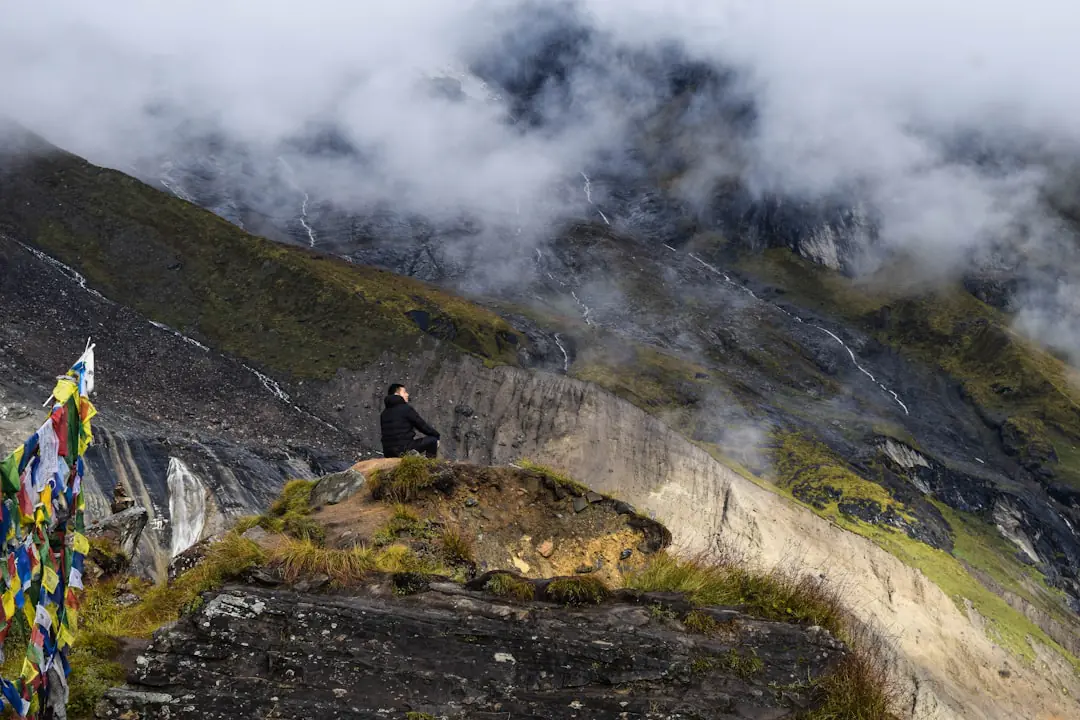
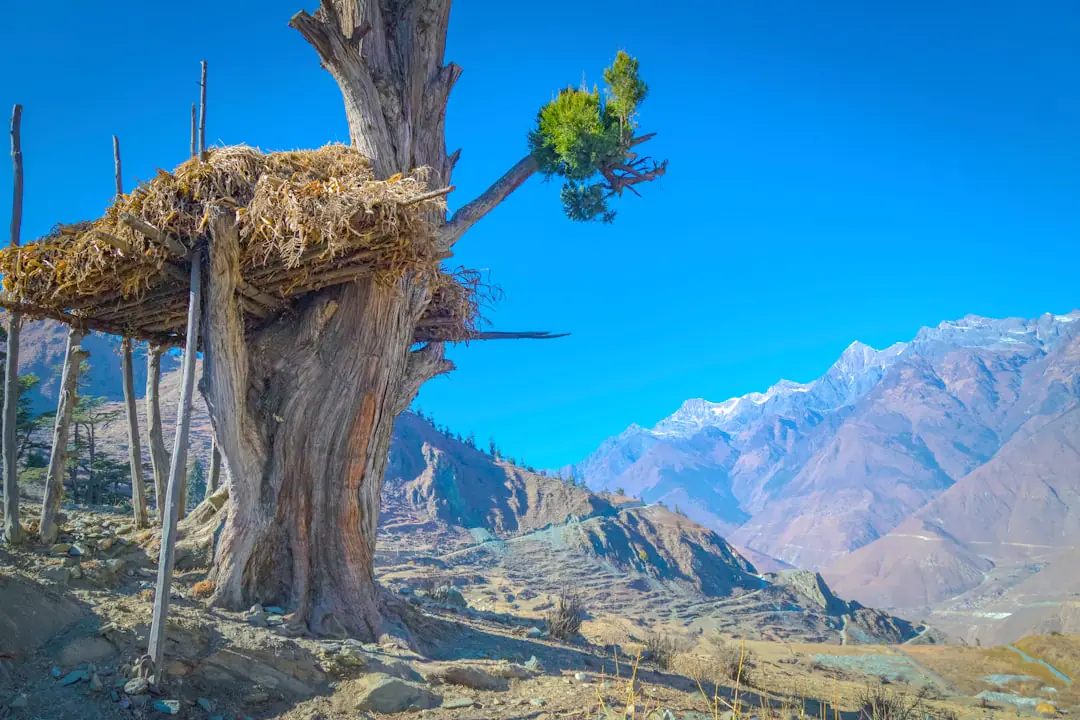
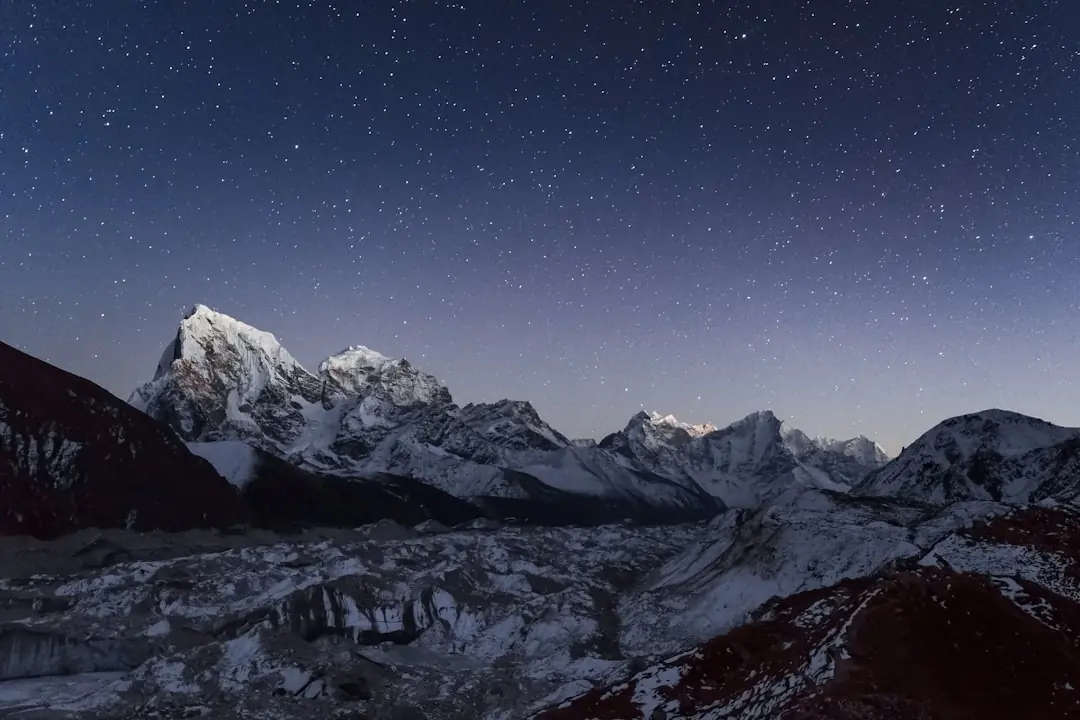
The Baruntse Expedition is a demanding Himalayan climbing journey that leads to the 7,162‑meter summit of Mount Baruntse, a striking peak located between the towering giants of Everest, Lhotse, and Makalu. Known for its elegant pyramid shape and relatively accessible route compared with other 7,000‑meter mountains, Baruntse offers a rewarding challenge for climbers looking to step into high‑altitude expedition mountaineering.
The adventure begins in Kathmandu before flying to Lukla, the gateway to the Everest region. From there, the trek follows a quieter path through remote valleys and alpine forests toward the Hinku Valley. Passing villages such as Kothe and Thangnak, climbers gradually ascend through rugged terrain while acclimatizing to the altitude. Crossing the high Mera La Pass introduces spectacular Himalayan panoramas before reaching the pristine Seto Pokhari and finally Baruntse Base Camp.
At base camp, the expedition shifts from trekking to mountaineering. Climbers spend several days establishing higher camps, practicing technical skills, and waiting for a favorable weather window. The ascent involves glacier travel, fixed ropes on steep snow slopes, and high‑altitude endurance. Summit day rewards the team with extraordinary views stretching across Everest, Lhotse, Makalu, Cho Oyu, and countless surrounding peaks.
The climb requires strong physical fitness, prior alpine climbing experience, and the determination to operate in extreme environments. With proper acclimatization and expert guidance, Baruntse offers an excellent progression for mountaineers aiming to climb higher Himalayan summits.
Arrival in Kathmandu (1,350m/4,429 ft)
Kathmandu Sightseeing & expedition preparation Day (1,350m/4,429 ft)
Lukla Flight and trek to Chhuthang (3,020m/9,908 ft)
Trek from Chhuthang to Thuli Kharka (4,600m/15,092 ft)
Trek from Thuli Kharka to Kothe (4,182m/13,720 ft)
Trek from Kothe to Thangnak (4,358m/14,298 ft)
Trek from Thangnak to Khare (5,045m/16,552 ft)
Acclimatization Day - Khare (5,045m/16,552 ft)
Trek from Khare to Mera La Pass (5,400m/17,717 ft)
Trek from Mera La Pass to Seto Pokhari (4,850m/15,912 ft)
Trek from Seto Pokhari to Baruntse Base Camp (5,300m/17,388 ft)
-23: Summit Day and back to Base Camp (7,162m/23,497 ft)
Trek back to Seto Pokhari (4,850m/15,912 ft)
Trek from Seto Pokhari to Mera La Pass (5,415m/17,766 ft)
Trek from Mera La Pass to Thangnak (4,326m/14,193 ft)
Trek from Thangnak to Kothe (3,592m/11,785 ft)
Trek from Kothe to Thuki Kharka (4,300m/14,108 ft)
Trek from Thuli Kharka to Lukla (2,869m/9,413 ft)
Flight from Lukla to Kathmandu (1,400m/4,593 ft)
Final Departure (1,400m/4,593 ft)
This itinerary is customizable. If you want to modify any aspect of this trip, let us know and we'll create a personalized itinerary just for you.
CUSTOMIZE MY TRIPThe most favorable seasons for the Baruntse Expedition are spring (March to May) and autumn (September to November). During these months, the Himalayan weather is generally stable with clearer skies and lower chances of heavy snowfall. Spring expeditions benefit from warmer temperatures and longer daylight hours, while autumn offers crisp visibility and excellent mountain views.
Climbers must obtain a Baruntse climbing permit issued by the Nepal government, along with trekking permits for the Everest and Makalu regions. Expedition operators arrange these permits in advance. The permits help regulate climbing activities and contribute to conservation efforts in the Himalayan environment.
This expedition demands exceptional physical conditioning and prior mountaineering experience. Climbers should be comfortable using crampons, ice axes, and fixed ropes, and must be capable of sustained effort at very high altitude. Pre‑expedition training involving endurance, strength, and altitude preparation is strongly recommended.
Most travelers can obtain a Nepal tourist visa upon arrival at Kathmandu’s Tribhuvan International Airport. Visitors must carry a passport valid for at least six months and passport photos. Visa duration and fees depend on the length of stay.
Conditions on Baruntse vary dramatically with altitude. Lower valleys can be mild during trekking, while temperatures near the summit can drop below −25°C. Strong winds and sudden snowstorms are possible at higher elevations. Proper equipment and acclimatization are essential for safety during the expedition.
Here's a recommended packing list for your trek. Some items can be rented or purchased in Kathmandu or at the trailhead.